About
BLOG

Interested in a little light reading?

Our blog is continually updated with helpful educational information, advises, research and insights—all in the name of helping you level-up your color and appearance needs. Grab a drink and enjoy our stories!

Explore stories

"A Better Method of Measuring Color and Haze in Beverages"

Read

Explore Our Products

View More

"From Clear to Pure: Chemical and Color Analysis in the Petrochemical Industry"

Read

"APHA Color System: A Measurement of Liquid Purity"

Read

"How HunterLab Helped a Global Bottler Standardize Plastic Cap and Preform Color"

Read

"Ensuring Accurate Color Measurement of Hydrochromic Textiles with Spectrophotometers"

Read

"Choosing the Right Spectrophotometer for Plastics Can Increase Production and Sales"

Read

"Temperature Effects on Color Measurement: Maintaining Accuracy in Extreme Conditions"

Read

A Better Method of Measuring Color and Haze in Beverages

Posted on May 01, 2026 by HunterLab

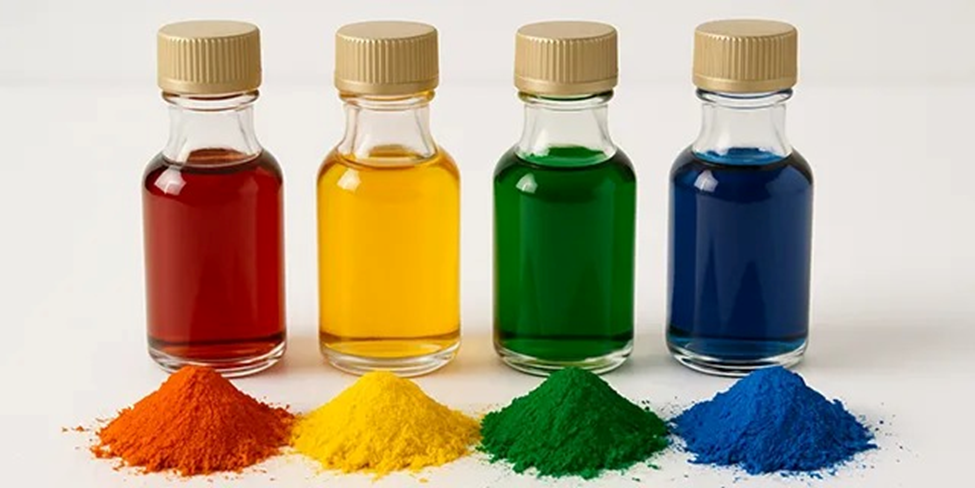
Color and appearance measurements for the beverage industry are used to ensure that the overall product appearance is the same from lot to lot. In the marketplace, it is rare that consumers are permitted to taste food products prior to purchasing them. However, they frequently can look at the product. They make a judgment decision largely based on overall appearance including color.

Coloring the mind of your Consumer:

Never has the consumer been more empowered than now in this digital age where knowledge of the products they purchase has been made available to them at a click or swipe, and this testifies that a greater need has evolved for the F&B industry to build a product with enticing visual properties such as Color and haze without compromising the highest level of quality. A strikingly similar parallel of ‘Go-Green’ campaign has also weaved it’s way in the Food & Beverage industry influencing the consumers to choose naturally colored products over artificially bright and unnatural Colored products, and this has birthed the need to test the quality of the beverage for Color consistency across all stages of the process like production and storage as the ingredient changes can alter the base color of a beverage, resulting in the perception that the product is different or of lower quality.

Diverse Optical Characteristics and their Methods for measurements:

The complexity of successfully measuring Color and appearance in the Beverage Industry is further enhanced by the fact that beverages are of types opaque, translucent or transparent, and each form requires different instrumentation and techniques. Opaque liquids have high solids content with a characteristic of high Brix value when light passes through it and Translucent liquids possess medium levels of solids and exhibits a lower brix value when light passes through it. Therefore, it is crucial for the food processors to assess the right measurement modes like reflective or transmittance before they measure the Color during any stage of processing. This significantly increases the need of a spectrophotometer to measure the spectral data values and also measure the transmission haze.

Posted in Color In Food Industry

From Clear to Pure: Chemical and Color Analysis in the Petrochemical Industry

Posted on May 01, 2026 by HunterLab

Chemical analysis is an intricate part of our everyday lives. From the water we drink to the food we eat to the fuel we put into our car, nearly everything we consume has undergone some form of chemical analysis before use. Although it’s likely not something we consider as we go about our daily activities, it’s a vital aspect of the production process for many things and something we all rely upon for quality assurance.

Petrochemical manufacturers know that chemical analysis is one of the most important steps in the monitoring of chemical compounds in the petroleum refining process. It is also one of the most unique and difficult processes to quantify and analyze. The ability to detect color changes is an important step in the process for identifying contaminants and impurities. With the right technology, the challenges of chemical analysis can be met.

Clear liquids are classified based on visual comparison.

Applications of Color Measurement in Petrochemicals

Petrochemical production results in a number of goods and materials that are dependent on accurate chemical analysis. From crude oil to the most refined petrochemical products, the manufacturing process relies on color technology to help with interpreting data, differentiation, and classifying petrochemical compounds. Petrochemical materials cover a wide range of products such as solvents, adhesives, plastics, resins, fibers, elastomers, lubricants, and gels. Each compound can vary from transparent to translucent to opaque, and accurate measurement is contingent upon the highest quality of instrumentation to measure transmittance or reflective materials.

The products that result from petrochemicals are numerous and varied. Image Source: Flickr user snowlepard

The petrochemical industry has greatly benefited from the use of color technology and spectrophotometers, and the ability to detect color changes throughout the refining process is an important step in identifying possible contamination. The ability to recognize even the slightest changes throughout processing helps to alleviate any impurities that may affect the quality of the final product. Detecting changes is crucial in monitoring and identifying any needs for re-distillation throughout the refining process.

Posted in Color In Chemical Industry

APHA Color System: A Measurement of Liquid Purity

Posted on May 01, 2026 by HunterLab

Clear liquid purity is measured using the APHA color scale and is essential for ensuring product safety and consistency and many various industries. Image Source: Flickr user Nathan Forget

Purity is an important factor imperative in the foods we eat, the medicines we take, and the water we drink. However, visual analysis of clear liquid color measurement is highly subjective, leaving a high margin of error in purity analysis. Color measurement using the APHA color index allows these various industries to maintain safety and consistency in their products.

Posted in Color In Chemical Industry

How HunterLab Helped a Global Bottler Standardize Plastic Cap and Preform Color

Posted on May 01, 2026 by HunterLab

In beverage packaging, color goes beyond appearance, it’s an unspoken promise of quality and consistency. For one global bottling company, color variation in PET preforms and plastic caps was becoming a costly risk. A shift in shade could erode brand trust, slow production, or trigger costly rework.

That’s when they turned to HunterLab.

Struggling with color variation across sites? Request a HunterLab demo and take control of your packaging color.

Why Color Consistency is a Bottler’s Business Advantage

  • Brand Integrity: Consumers recognize visual differences—even minor inconsistencies in color can influence perception and purchasing behavior.
  • Process Confidence: Consistent color signals stability in formulation, additives, and processing.
  • Operational Efficiency: Catching out-of-spec color in real-time prevents rework, scrap, and costly downtime.

Functional additives like oxygen scavengers further complicated color control. The challenge was clear: measure preforms and caps with accuracy, no matter the size, material, or additive load.

Customer Challenge: Varying Tools, Oversized Preforms, and Manual Workflows

This global bottler operated across multiple plants, each using different tools:

  • Most relied on ColorFlex EZ for caps
  • Some sites used Vista® for beverage color, with limited preform measurement

Please note: ColorFlex EZ is no longer in production. Meet the upgraded ColorFlex L2, the industry's most advanced color spectrophotometer.

But the brand’s large-format PET preforms didn’t fit standard holders, compromising measurement consistency. Additive effects on color weren’t clearly quantified, and operators selected workspaces manually, increasing variability.

⚠️ Operational Risk: Inconsistent color across production lines can mean inconsistent quality on store shelves.

Posted in Color In Plastics

Ensuring Accurate Color Measurement of Hydrochromic Textiles with Spectrophotometers

Posted on Apr 24, 2026 by HunterLab

Moisture can change the color of fabrics in deliberate, overt ways or create subtle color shifts nearly imperceptible to the human eye. Image Source: Pexels user snapwiresnaps.tumblr.com

The Unseen Emporium in London, England is more of a laboratory than a design house. Through a daring and innovative combination of fashion, chemistry, and digital technologies, the three masterminds behind the label work to produce dynamic clothing, accessories, and lifestyle goods that respond to their environments based on specific stimulants.1 Among their most eye-catching creations are extravagantly tailored leather jackets that change color as the humidity in the room fluctuates, the moisture level creating vivid chromatic shifts. The phenomenon of hydrochromism—color change in response to water—has heretofore primarily been intentionally implemented in the textile industry as a novelty in the form of color-changing umbrellas and swimwear. The Unseen Emporium, however, is bringing it to a new level of artistry.

But hydrochromic textiles are not a recent invention. Although deliberately moisture-sensitive dyes with dramatic color changes may be in their infancy, some level of hydrochromism is inherent to most textiles already in use today, often to the consternation of textile manufacturers.

Dark cotton fabrics will display a greater degree of color change in the presence of moisture. Image Source: Pexels user snapwiresnaps.tumblr.com

Posted in Color In Textiles

Choosing the Right Spectrophotometer for Plastics Can Increase Production and Sales

Posted on Apr 10, 2026 by HunterLab

New polymer products continue to flood the market, and there seems to be no end to the continued growth in plastic manufacturing. In 2024, the global molded plastics market reached a value of $541.2 million. Experts predict a compound annual growth rate of 7.5% over the next decade, which means the market's value will surge to over $1 billion by 2034. In this booming market, competition with large manufacturers may seem daunting, yet small business continues to thrive.

To stay competitive among these giants, choosing the right spectrophotometer for plastics is often the difference in product efficiency and quality. Understanding the value of color measurement in plastic production is the first step toward optimizing growth and increasing sales overall.

Utilizing Spectrophotometric Instrumentation in Plastic Production

Modern spectrophotometers measure more than the tristimulus values captured by basic equipment. They offer spectral measurement capabilities and can quantify appearance by considering the influences of gloss and texture on perception. This technology makes them an ideal choice for many plastics, which often feature various shapes, textures, and opacities.

Sample types determine the right measurement techniques for accurate color data, so understanding these characteristics that drive your approach is the first step to utilizing your color measurement solutions. For example, accurate color quantification for transparent plastic preforms requires measuring via transmission, while opaque plastics require reflectance measurements.

The device’s geometry is also critical to ensure accurate appearance data capture. A directional 0°/45° geometry illuminates the sample at a 0° angle, with the viewing angle set at 45°. Scientific studies show that these geometric principles provide the truest representation of visual color perception.

Today’s spectrophotometers/colorimeters are available in portable, benchtop, and in-line models, designed to monitor color variations and changes in real time, from start to finish. Even slight alterations in color can be detected easily and allow for simple changes to be made at any stage of production, saving wasted materials, time, and money. These simple tools are beneficial for efficiently and effectively creating quality products and increasing sales.

Spectrophotometric Applications in Plastic Manufacturing

The variety in plastic shapes, sizes, and colors can present color measurement challenges. Nonuniformity, gloss, shape, and size can all affect color quantification, so choosing the right solution is the first step in developing consistency and quality in polymer products.

Not only are spectrophotometers/colorimeters effective for enhancing the quality and production of molded plastics, but their versatility also extends to many other areas of plastic manufacturing. For example, even nonuniform plastic pellet samples and recycled polyethylene terephthalate (rPET) can be accurately measured with this equipment. Doing so helps to ensure uniform and consistent pellet color, which is used in extrusion and injection molding and directly affects final color quality.

Other spectrophotometric applications in plastics processing include quantifying color data in:

  • Opaque plastic enclosures
  • Opaque plastic plaques
  • Opaque plastic films
  • Opaque sheet plastic
  • Dark Performance plastics, such as deep blues, dark charcoal grays, indigos, and blacks
  • Vinyl siding

From the beginning stages of plastic production to the final stages of color analysis in sample plaques, spectrophotometry ensures consistency throughout every step of manufacturing. The simplicity and accuracy of today’s advanced instrumentation take the guesswork out of the process, increasing both production and quality overall.

Posted in Color In Plastics

Temperature Effects on Color Measurement: Maintaining Accuracy in Extreme Conditions

Posted on Apr 08, 2026 by HunterLab

Many quality control (QC) professionals in manufacturing focus on variables like formulations, processing impacts, and contamination when considering which factors cause color alterations in their products. But for certain applications and in extreme environments, one unseen variable can cause equal damage to color consistency — temperature.

Even minor temperature variations can quickly ruin a batch or turn QC into expensive guesswork. The fluctuations can influence a sample's optical properties, alter light interactions, and impact measurement data reliability. As a result, maintaining color confidence in extreme conditions requires both strict protocols and powerful equipment to mitigate the environmental variables and uphold data integrity.

What Causes Temperature to Alter Color Measurement Results?

Understanding how temperature alters measurement results requires examining both the material-level changes and environmental factors that impact spectrophotometric analysis.

Thermochromism

Thermochromism is the phenomenon of a material exhibiting a reversible change of color in response to temperature changes. For example, think of novelty cups that turn from blue to green when filled with hot or cold liquid. This color change isn't the result of user error, but instead a temporary alteration in the material's optical properties that causes the material to reflect or transmit different proportions of light across the visible spectrum.

As the temperature of the contents starts to normalize to room temperature, the original color gradually returns. In such products, these color alterations are the goal for the desired effect. In others, thermochromism is a consequence to avoid, making consistency the key to preventing it. 

It's important not to confuse thermochromism with thermal degradation, an irreversible color change arising from extreme temperatures that can impact long-term color stability.

Environmental Instability and Material State Changes

Extreme temperatures can trigger physical changes in many samples that impact color perception, depending on the application. For example, thermal expansion and contraction can alter surface textures, changing how light reflects off the material and, in turn, the resulting measurements.

Measuring the color of hot liquids poses similar issues. As temperatures rise in these samples, bubbles and vapor often form that cause light to scatter differently, influencing appearance.

Additionally, temperature fluctuations can create secondary effects, such as the formation of condensation on sample surfaces. This excess humidity demands well-defined surface preparation protocols to ensure accurate readings.

Posted in Color Measurement
Prev
1
2
3
…
Next

Most Related Posts

  • A Better Method of Measuring Color and Haze in Beverages
  • From Clear to Pure: Chemical and Color Analysis in the Petrochemical Industry
  • APHA Color System: A Measurement of Liquid Purity
  • Color Confidence at Scale: How HunterLab Helped a Global Bottler Standardize Plastic Cap and Preform Color
  • Ensuring Accurate Color Measurement of Hydrochromic Textiles with Spectrophotometers
  • Choosing the Right Spectrophotometer for Plastics Can Increase Production and Sales
  • Temperature Effects on Color Measurement: Maintaining Accuracy in Extreme Conditions
View More

Follow Us

  • LinkedInFollow us on LinkedIn
  • YouTubeFollow us on YouTube
  • facebookFollow us on Facebook
  • XFollow us on X (formerly Twitter)
  • instagramFollow us on Instagram