About
BLOG

Interested in a little light reading?

Our blog is continually updated with helpful educational information, advises, research and insights—all in the name of helping you level-up your color and appearance needs. Grab a drink and enjoy our stories!

Explore stories

"Visual Assessment: When the Human Eye Is Just Not Enough for Accurate Color Measurement"

Read

Explore Our Products

View More

"Spectrophotometric Analysis: The Nuances of Coffee Bean Color During the Roasting Process"

Read

"Using Carrageenan Color Analysis to Improve the Visual Appeal of Food Products"

Read

"Sensory Analysis: Using Visible Spectrophotometry for Quality Detection in Fish"

Read

"Color Analysis of Non-Uniform Food Products: The Right Instrumentation for Textured Samples"

Read

"Food Coloring Regulations and Standards"

Read

"How Spectrophotometers Analyze Chemical Composition of Plastics and Aid Recycling Efforts"

Read

Visual Assessment: When the Human Eye Is Just Not Enough for Accurate Color Measurement

Posted on Feb 12, 2025 by HunterLab

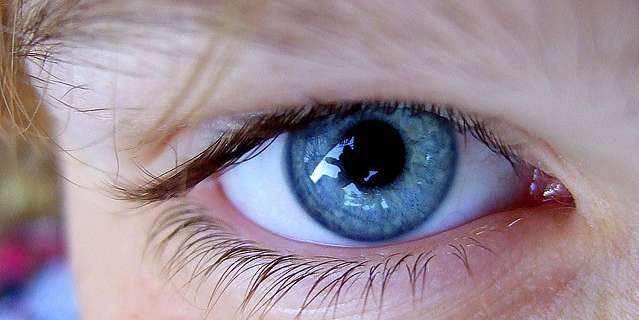
The human eye is made up of over two million parts making it second only to the brain in complexity. Image Source: Flickr user Ali T

As I drove down the road today, the colors painting the landscape reminded me why I love this time of year. In my part of the country the trees are beginning to turn bright hues of golden-yellow and reddish-orange. Every day I am amazed by the stunning visual assessment of color that our human eyes are capable of. Fall is also the time of year that has me reflecting on the colors that line the isles of my local store as I contemplate my next autumn-inspired wardrobe or décor purchase, or comforting crockpot meal. Once again the visual assessment of color invigorates my senses… and my purchasing choices, too.

The amazing human eye

The eye is one of the most important and complex parts of the human body. Consisting of over two million working parts and is second only to the brain in complexity. It is no wonder why vision is such an essential part of who we are and the way we perceive the world. Our visual assessment directs the way we feel, our choices in clothing, the foods we eat, and the products we buy.

We use our sense of sight on a daily basis to make decisions and choices, and despite variations in visual assessment from one person to the next, it is still more consistent than our sense of taste or smell. With the ability to decode up to 50 shades of gray and over 10 million different color combinations, it is no wonder that both scientists and manufacturers want to know more about how color influences the population.

Posted in Color Measurement

Spectrophotometric Analysis: The Nuances of Coffee Bean Color During the Roasting Process

Posted on Feb 12, 2025 by HunterLab

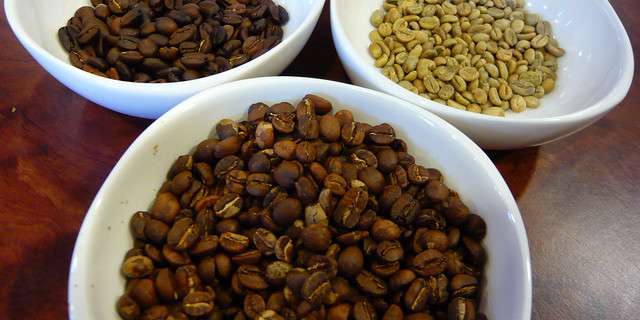
The process of roasting coffee begins with heat and a swelling of pastel green beans. First shedding their silver skins, cycles of bursts and darkenings soon follow, transforming the color of the beans from green to tan to the deepest browns. Eventually, the beans shrink, ending their life cycles in a quick, smooth blackening and hardening of their skins.

Coffee beans undergo a series of changes from the green beans, observed at the top right, to the darker colors that occur upon roasting.
Image Source: Flickr CC user Jessica Spengler

The physical changes that occur during the roasting process might seem straightforward; however, hundreds of chemical reactions are occurring in tandem. Proteins, polysaccharides, lipids and organic acids undergo decarboxylation and dehydration events as Maillard browning and caramelization occur among redox and polymerization reactions. Together, these events result in the disappearance of some reactants and the appearance of many more, which themselves add flavor and aroma to the beans. Importantly, roastmasters have used and still use color to determine when a roast has undergone the multitude of chemical changes described above and is considered “finished.”

Posted in Color In Food Industry

Using Carrageenan Color Analysis to Improve the Visual Appeal of Food Products

Posted on Feb 12, 2025 by HunterLab

The holiday season has come and gone, and I find myself, as usual, having consumed more than my fair share of sweets. With the arrival of the New Year, I’m trying to cut back on sugary foods, but ice cream is one treat that’s not getting scratched from my list (it is in the dairy/protein family anyway, right?).  Honestly, I find it hard to avoid most creamy-textured foods—which makes sense, since they’re often specifically engineered to be appealing.

The rich creaminess of ice cream makes it appealing both visually and texturally. Image Source: Flickr user gordonramsaysubmissions (CC BY 2.0)

Carrageenan is not an ingredient that pops up on most consumers’ radars when they check labels, yet it’s responsible for improving the texture and appearance of many of the food products they consume daily. Extracted from an edible red seaweed and converted into powdered form, this natural derivative is added to a variety of foods, from dairy products and beverages to processed meats1. And though carrageenan powder is white in appearance, it often remains undetectable thanks to carrageenan color analysis and instrumental quality control.

Posted in Color In Food Industry

Sensory Analysis: Using Visible Spectrophotometry for Quality Detection in Fish

Posted on Feb 12, 2025 by HunterLab

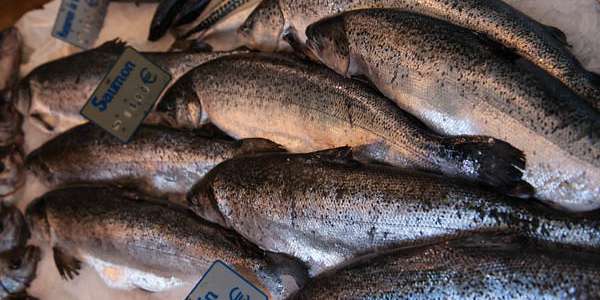
Both fresh and frozen fish must undergo rigid testing before it reaches the supermarket or frozen foods aisle. Image Source: Flickr user Frank Kovalchek

There is perhaps nothing better than the taste of fresh-caught fish, and if you’re lucky enough to have a fisherman in your family, you probably understand what I mean. However, the fishing season only lasts so long, and soon it’s necessary to turn to local fish markets or the frozen food aisle to keep this healthy and delicious protein option in our diets. Supermarket fish comes from a variety of sources, and the methods that are used to process and package it depends on quality measurements through sensory analysis.

Sensory analysis involves the human perception of food through sight, smell, taste, and touch. However, human perception has its limits and is highly subjective, making quality evaluation and consistency difficult to achieve. Visual perception is the most powerful factor in food selection and greatly affects consumer decisions, yet color perception varies from person to person, and humans experience many challenges with color memory. This is why color measurement instrumentation plays a vital role in sensory analysis for quality control. Visible spectrophotometers use human eye technology to emulate the way we see color, but also can quantify colors objectively and consistently. Assessment of fish quality is dependent of visual spectrophotometry to obtain accurate information to determine freshness, spoilage, and/or food safety through the use of sensory analysis.

Posted in Color In Food Industry

Color Analysis of Non-Uniform Food Products: The Right Instrumentation for Textured Samples

Posted on Feb 12, 2025 by HunterLab

Food samples, such as cookies, require non-contact color measurement to maintain the true color and texture of the food product.
Image Source: Flickr user Vegan Feast Catering

Color analysis is an important part of safety and marketability in the food product industry. Numerous studies have shown that visual acceptance is the first thing consumers rely on when making choices in foods. Food color is so influential it can even change the way humans perceive taste and quality in foods. In fact, the brain has used color as an indication of freshness and food safety since the beginning of time, so it is no wonder that it is still considered an important feature of food products today.

Nearly every food product relies on color analysis during some point in the process it takes for raw materials to reach supermarket shelves. Whether developing a color analysis protocol for determining the ripeness of a crop, during in-line color and process monitoring, or for final product quality analysis, many major food industry leaders rely on spectrophotometric technology to maintain quality and safety standards in their products.

Non-uniform color samples are often poured and measured for true color analysis that best resembles human perspective.
Image Source: Flickr user Procsilas Moscas

For accurate color analysis of poured and placed food items, a non-contact measurement system is ideal. When a sample is measured from a focal point that sees the sample shades and hues as they are seen by the consumer perspective, the most reliable data can be obtained. This information can then be used to create a color-matching system and ensures consistency between sample batches. Consumers place their expectations on food products to maintain consistent color every time and associate these consistencies with quality products and brands.

Posted in Color In Food Industry

Food Coloring Regulations and Standards

Posted on Feb 12, 2025 by HunterLab

In the past 100 years, the amount of food coloring used in food has increased drastically. This shift is due in part to manufacturers’ growing emphasis on making food look more appealing, last longer and attract as many consumers as possible. The U.S. Food and Drug Administration (FDA) imposes strict regulations and standards for the approval of artificial food dyes and how food producers and manufacturers are permitted to use those dyes in their products. Learn more about food color standards established by the FDA, including what technology your business can use to operate within regulation.

What Is Food Coloring?

Food coloring and food dyes are chemical substances used to alter or enhance the appearance of a food product. Three color additives make up 90% of all used food dye — Red 40, Yellow 5 and Yellow 6.

Using color additives or dyes is not a new technology. Natural food colors were used to color wine as early as 300 B.C. Early dye experimentation included naturally occurring color found in some spices and metal oxides, like saffron and copper sulfate.

The first synthetic organic dye — called mauve — was discovered in 1856. Mauve was the first of many discovered synthetic dyes produced via coal processing, earning them the title “coal-tar colors.” Federal regulation of color additives began a few decades later, in the 1880s.

What Is Food Coloring Made Of?

Artificial food coloring is derived from petroleum. There are three possible classifications for a food dye:

  • Straight colors: Straight colors are free from most impurities and have not been mixed or chemically altered with other substances.
  • Lakes: Lakes are the product of a chemical reaction that takes place after combining a straight color with precipitants or substrata of things like alumina, titanium dioxide and zinc.
  • Mixtures: Mixtures are made by combining a color additive with another color additive or a non-colored diluent, which produces no chemical reaction.

Posted in Color And Appearance Theory

How Spectrophotometers Analyze Chemical Composition of Plastics and Aid Recycling Efforts

Posted on Feb 12, 2025 by HunterLab

Understanding the chemical composition of plastics is important for safety and reusability. Image Source: Flickr user Bradley Gordon

Plastic is something that most of us use every day, but we rarely stop to think about where these materials come from. The chemical composition of plastic plays an important role in product safety and recyclability, yet most of us take that for granted. Understanding the chemical composition of plastics can make a difference in post-consumer reusability, recycling, and product safety. With advancements in spectrophotometric technology and more portable instrumentation options, we now have the ability to accurately identify the chemical composition in plastics and differentiate specific materials to filter out hazardous materials.

Posted in Color In Plastics
Prev
10
11
12
13
14
…
Next

Most Related Posts

  • Spectrophotometry Ensures Color Quality Control of High-Visibility Safety Clothing
  • Addressing the Challenges of Optical Brightening Agents in Paper Color Measurement
  • Spectrophotometry in the Textile Industry: Ensuring Color Consistency in Denim
  • Best Practices for Measuring the Color of Transparent Plastic Preforms
  • Choosing the Right Spectrophotometer for Plastics Can Increase Production and Sales
  • Is Your Cashew Roast Color Missing the Mark?
  • The Complete Guide to Transparent Plastic Preform Color Measurement
View More

Follow Us

  • LinkedIn
  • YouTube
  • facebook
  • X
  • instagram