About
BLOG

Interested in a little light reading?

Our blog is continually updated with helpful educational information, advises, research and insights—all in the name of helping you level-up your color and appearance needs. Grab a drink and enjoy our stories!

Explore Our Stories
5028873598_68279be293_z.jpg

"Measure Beer Opacity to Maintain Color Richness in Stouts and Other Dark Brews"

Read More

Explore Our Products

VIEW MORE

5028873598_68279be293_z.jpg

"Measure Beer Opacity to Maintain Color Richness in Stouts and Other Dark Brews"

Read More
5028873598_68279be293_z.jpg

"Measure Beer Opacity to Maintain Color Richness in Stouts and Other Dark Brews"

Read More
5028873598_68279be293_z.jpg

"Measure Beer Opacity to Maintain Color Richness in Stouts and Other Dark Brews"

Read More
spectrophotometer-light-dark-rum.jpg

"Perfecting the Appearance of Light and Dark Rums Using Spectrophotometric Technology"

Read More
spectrophotometer-light-dark-rum.jpg

"Perfecting the Appearance of Light and Dark Rums Using Spectrophotometric Technology"

Read More
spectrophotometer-light-dark-rum.jpg

"Perfecting the Appearance of Light and Dark Rums Using Spectrophotometric Technology"

Read More

Measure Beer Opacity to Maintain Color Richness in Stouts and Other Dark Brews

Posted on Feb 06, 2026 by HunterLab

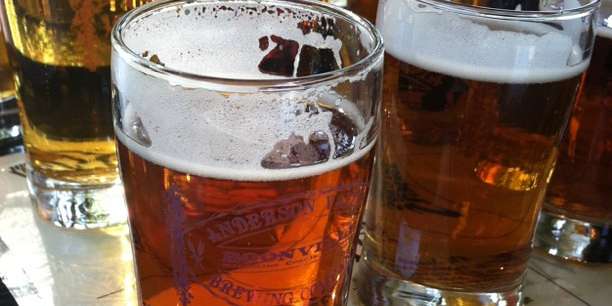
Stout is so opaque that its red hues take on a rich, deep brown color. Image Credit: Flickr user a.dombrowski

My best friend is a diehard IPA fan and up until recently, I’d never seen her drink anything darker than a red ale. Whenever I’d offer her a taste of Guinness, she’d always shake her head and say, “Dark beer is too heavy and bitter.” One day, I decided to take her to one of Portland’s annual beer festivals, hoping I could change her mind about dark brews. When we got there, the festival’s dark beer list alone boasted close to 100 separate labels, ranging from porter to stout. After a lot of persuasions, she agreed to try the black lager that I recommended. She took a sip, raised her eyebrows in surprise and said, “I had no idea that dark beer could taste this light!”

Beer opacity has a massive impact on how drinkers perceive your brew’s flavors. Your customers usually look at the color of the brew and how translucent it is before they consider any other factor like smell or taste. That’s why it’s so important for breweries to ensure that the opacity of their beer matches its traditional style, giving customers the best impression before they take their first sip.

Why is Stout So Opaque?

Like coffee, beer opacity often comes from how long you roast the ingredients. Generally, a dark roast will give you an opaque, almost jet black beer that tastes like coffee or chocolate, whereas a light roast will give you a golden, translucent color and “breadier” flavors. However, it’s not always this simple. If your brewery uses black patent malt1, you’ll also get a dark opacity in the final brew, but the flavors will be completely different than a heavily roasted barley beer. Stout brewers use trace amounts of black patent malt to give the beer a deeper color while retaining light, bready flavors underneath. This is why that black lager that my friend tried tastes more like a Belgian pale ale than a frothy glass of chocolatey stout — the opacity of the beer has little to do with how it actually tastes.

How long you roast the barley and the type of malt you use can impact the beer’s opacity. Image Credit: Flickr CC user Dylan Stark

Posted in Color In Food Industry

Measure Beer Opacity to Maintain Color Richness in Stouts and Other Dark Brews

Posted on Feb 06, 2026 by HunterLab

La cerveza negra es tan opaca que sus matices rojos adquieren un color marrón intenso. Crédito de la imagen: Flickr user a.dombrowski

Mi mejor amiga es una fan incondicional de las IPA y, hasta hace poco, nunca la había visto beber nada más oscuro que una red ale. Siempre que le ofrecía una Guinness, negaba con la cabeza y decía: "La cerveza negra es demasiado pesada y amarga". Un día decidí llevarla a uno de los festivales anuales de cerveza de Portland, con la esperanza de hacerla cambiar de opinión sobre las cervezas negras. Cuando llegamos, en la lista de cervezas negras del festival había cerca de 100 marcas distintas, desde porter hasta stout. Tras muchas persuasiones, aceptó probar la lager negra que le recomendé. Tomó un sorbo, levantó las cejas sorprendida y dijo: "¡No tenía ni idea de que la cerveza negra pudiera saber tan ligera!".

La opacidad de la cerveza influye enormemente en cómo perciben los consumidores los sabores de su cerveza. Sus clientes suelen fijarse en el color de la cerveza y en lo translúcida que es antes de tener en cuenta cualquier otro factor como el olor o el sabor. Por eso es tan importante que las cerveceras se aseguren de que la opacidad de su cerveza coincide con su estilo tradicional, dando a los clientes la mejor impresión antes de que tomen el primer sorbo.

¿Por qué la cerveza negra es tan opaca?

Al igual que el café, la opacidad de la cerveza suele depender del tiempo de tueste de los ingredientes. Generalmente, un tostado oscuro le dará una cerveza opaca, casi negra como el azabache, con sabor a café o chocolate, mientras que un tostado ligero le dará un color dorado y translúcido y sabores más "panificados". Sin embargo, no siempre es tan sencillo. Si su cervecera utiliza malta negra charol1, también obtendrá una opacidad oscura en la cerveza final, pero los sabores serán completamente diferentes a los de una cerveza de cebada muy tostada. Los cerveceros de Stout utilizan pequeñas cantidades de malta negra para dar a la cerveza un color más profundo, pero conservando los sabores ligeros y a pan. Por eso esa cerveza negra que probó mi amigo sabe más a una pale ale belga que a un vaso espumoso de stout achocolatada: la opacidad de la cerveza tiene poco que ver con su sabor real.

El tiempo que tuestes la cebada y el tipo de malta que utilices pueden influir en la opacidad de la cerveza. Crédito de la imagen: Flickr CC user Dylan Stark.

Posted in Color In Food Industry

Measure Beer Opacity to Maintain Color Richness in Stouts and Other Dark Brews

Posted on Feb 06, 2026 by HunterLab

Stout ist so undurchsichtig, dass seine roten Töne eine satte, tiefbraune Farbe annehmen. Bildnachweis: Flickr-Nutzer a.dombrowski

Meine beste Freundin ist ein eingefleischter IPA-Fan, und bis vor kurzem hatte ich sie noch nie etwas Dunkleres als ein rotes Ale trinken sehen. Wenn ich ihr ein Guinness anbot, schüttelte sie immer den Kopf und sagte: "Dunkles Bier ist zu schwer und bitter." Eines Tages beschloss ich, sie zu einem der jährlichen Bierfestivals in Portland mitzunehmen, in der Hoffnung, dass ich ihre Meinung über dunkle Biere ändern könnte. Als wir dort ankamen, umfasste allein die Liste der dunklen Biere auf dem Festival fast 100 verschiedene Etiketten, von Porter bis Stout. Nach vielen Überredungskünsten willigte sie ein, das von mir empfohlene schwarze Lagerbier zu probieren. Sie nahm einen Schluck, hob überrascht die Augenbrauen und sagte: "Ich hatte keine Ahnung, dass dunkles Bier so leicht schmecken kann!"

Die Biertrübung hat einen großen Einfluss darauf, wie die Trinker die Aromen Ihres Gebräus wahrnehmen. Ihre Kunden achten in der Regel auf die Farbe des Gebräus und wie durchsichtig es ist, bevor sie andere Faktoren wie Geruch oder Geschmack berücksichtigen. Deshalb ist es für Brauereien so wichtig, dass die Opazität ihres Bieres dem traditionellen Stil entspricht, um den Kunden den besten Eindruck zu vermitteln, bevor sie ihren ersten Schluck nehmen.

Warum ist Stout so undurchsichtig?

Wie beim Kaffee hängt die Trübung des Bieres oft davon ab, wie lange man die Zutaten röstet. Im Allgemeinen ergibt eine dunkle Röstung ein undurchsichtiges, fast tiefschwarzes Bier, das nach Kaffee oder Schokolade schmeckt, während eine leichte Röstung eine goldene, durchscheinende Farbe und "brotige" Aromen ergibt. Doch so einfach ist es nicht immer. Wenn Ihre Brauerei schwarzes Patentmalz1 verwendet, erhält das fertige Bier ebenfalls eine dunkle Trübung, aber der Geschmack ist völlig anders als bei einem stark gerösteten Gerstenbier. Stout-Brauer verwenden Spuren von schwarzem Patentmalz, um dem Bier eine dunklere Farbe zu verleihen, während die leichten, brotigen Aromen darunter erhalten bleiben. Deshalb schmeckt das schwarze Lagerbier, das mein Freund probiert hat, eher wie ein belgisches Pale Ale als ein schaumiges Glas schokoladiges Stout - die Trübung des Biers hat wenig damit zu tun, wie es tatsächlich schmeckt.

Wie lange die Gerste geröstet wird und welche Malzsorte verwendet wird, kann die Trübung des Bieres beeinflussen. Bildnachweis: Flickr CC user Dylan Stark

Posted in Color In Food Industry

Measure Beer Opacity to Maintain Color Richness in Stouts and Other Dark Brews

Posted on Feb 06, 2026 by HunterLab

スタウトは非常に不透明で、その赤い色合いは豊かで深い茶色を帯びている。画像出典:Flickrユーザー a.dombrowski

私の親友は熱狂的なIPAファンだが、最近まで彼女がレッドエールより濃い色のビールを飲むのを見たことがなかった。ギネスを勧めても、彼女はいつも首を横に振って、"黒ビールは重くて苦すぎる "と言うのだ。ある日、私はポートランドで毎年開催されるビール祭りに彼女を連れて行くことにした。私たちがそこに着いたとき、フェスティバルの黒ビールリストだけでも、ポーターからスタウトまで、100種類近くのラベルが並んでいた。説得の末、彼女は私が勧めたブラック・ラガーを試すことに同意した。彼女は一口飲むと、眉を寄せて驚き、"黒ビールがこんなに軽い味だとは思わなかった!"と言った。

ビールの不透明度は、飲み手があなたのビールの風味をどう感じるかに大きな影響を与えます。顧客は通常、香りや味といった他の要素を考慮する前に、ビールの色とその半透明度を見ています。そのため、醸造所にとって、ビールの不透明度がその伝統的なスタイルにマッチしているかどうかを確認することは非常に重要であり、顧客が最初の一口を飲む前に最高の印象を与えることができるのです。

スタウトはなぜ不透明なのか?

コーヒーと同様、ビールの不透明さは、原料の焙煎時間によって決まることが多い。一般的に、深煎りは不透明で漆黒に近い、コーヒーやチョコレートのような味わいのビールになり、浅煎りは黄金色で半透明、「パン」のような風味になる。しかし、必ずしもこのように単純ではありません。醸造所がブラック・パテント麦芽1 を使用している場合、最終的なビールには濃い不透明感も出ますが、風味は強くローストした大麦のビールとはまったく異なります。スタウトの醸造者は、ビールに深い色を与えながら、その下に軽くてブリーディングな風味を残すために、微量のブラックパテント麦芽を使用する。私の友人が試したブラック・ラガーが、チョコレートのようなスタウトの泡立ったグラスよりもベルギーのペールエールのような味がするのはこのためだ。

大麦を焙煎する時間や使用する麦芽の種類は、ビールの不透明度に影響する。Image Credit: Flickr CC user Dylan Stark.

Posted in Color In Food Industry

Perfecting the Appearance of Light and Dark Rums Using Spectrophotometric Technology

Posted on Feb 06, 2026 by HunterLab

Rum ranges dramatically in color, clarity, and flavor, from clear as water and virtually tasteless to deep brown and rich in complex flavors. In fact, you can often tell a great deal about the flavor profile and quality of rum simply by looking at the color and clarity of the liquid inside of the bottle. This is why most rum producers distill, filter, and age their rum carefully in order to achieve the perfect appearance. However, a multitude of factors affects the appearance of rum before it is bottled, potentially compromising both the look and taste of the product. For example, if the rum spends too much time in the barrel or it hasn’t been filtered enough, then it may not be as rich in color or as clear as the producer would like and the taste may not be what customers expect.  

In order to achieve correct and consistent appearance of rums, many manufacturers are turning to spectrophotometric technology. Whether you want to create perfect clarity in a bottle of light rum or you need to ensure that your dark spiced rum is the same shade of amber after it’s removed from the barrel, spectrophotometers can help you reach your goals.

Posted in Color In Food Industry

Perfecting the Appearance of Light and Dark Rums Using Spectrophotometric Technology

Posted on Feb 06, 2026 by HunterLab

Rum ranges dramatically in color, clarity, and flavor, from clear as water and virtually tasteless to deep brown and rich in complex flavors. In fact, you can often tell a great deal about the flavor profile and quality of rum simply by looking at the color and clarity of the liquid inside of the bottle. This is why most rum producers distill, filter, and age their rum carefully in order to achieve the perfect appearance. However, a multitude of factors affects the appearance of rum before it is bottled, potentially compromising both the look and taste of the product. For example, if the rum spends too much time in the barrel or it hasn’t been filtered enough, then it may not be as rich in color or as clear as the producer would like and the taste may not be what customers expect.  

In order to achieve correct and consistent appearance of rums, many manufacturers are turning to spectrophotometric technology. Whether you want to create perfect clarity in a bottle of light rum or you need to ensure that your dark spiced rum is the same shade of amber after it’s removed from the barrel, spectrophotometers can help you reach your goals.

Posted in Color In Food Industry

Perfecting the Appearance of Light and Dark Rums Using Spectrophotometric Technology

Posted on Feb 06, 2026 by HunterLab

ラム酒は、水のように透明でほとんど無味のものから、深い褐色で複雑な風味が豊かなものまで、色、透明度、風味が劇的に変化する。実際、ボトルの中の液体の色と透明度を見るだけで、ラム酒の風味の特徴や品質について多くのことがわかる。このため、ほとんどのラム酒製造業者は、完璧な外観を実現するために、蒸留、ろ過、熟成を注意深く行っている。しかし、瓶詰め前のラム酒の外観には様々な要因が影響し、製品の外観と味の両方を損なう可能性がある。例えば、ラム酒が樽の中で過ごす時間が長すぎたり、濾過が十分でなかったりすると、生産者が望むほど豊かな色や澄んだ味にならず、顧客が期待する味にならない可能性がある。  

ラム酒の正確で一貫した外観を実現するため、多くのメーカーは分光光度計の技術を利用しています。ライト・ラムのボトルに完璧な透明度を出したい場合でも、ダーク・スパイス・ラムが樽から取り出された後も同じ琥珀色であることを確認する必要がある場合でも、分光光度計は目標達成に役立ちます。

Posted in Color In Food Industry
Prev
1
2
3
…
Next

Most Related Posts

  • Measure Beer Opacity to Maintain Color Richness in Stouts and Other Dark Brews
  • Measure Beer Opacity to Maintain Color Richness in Stouts and Other Dark Brews
  • Measure Beer Opacity to Maintain Color Richness in Stouts and Other Dark Brews
  • Measure Beer Opacity to Maintain Color Richness in Stouts and Other Dark Brews
  • Perfecting the Appearance of Light and Dark Rums Using Spectrophotometric Technology
  • Perfecting the Appearance of Light and Dark Rums Using Spectrophotometric Technology
  • Perfecting the Appearance of Light and Dark Rums Using Spectrophotometric Technology
View More Related Posts

Follow us on social

  • LinkedInFollow us on LinkedIn
  • YouTubeFollow us on YouTube
  • facebookFollow us on Facebook
  • XFollow us on X (formerly Twitter)
  • instagramFollow us on Instagram