About
BLOG

Interested in a little light reading?

Our blog is continually updated with helpful educational information, advises, research and insights—all in the name of helping you level-up your color and appearance needs. Grab a drink and enjoy our stories!

Explore Our Stories
spectral-range.png

"The History of Color Measurement Devices"

Read More

Explore Our Products

VIEW MORE

spectral-range.png

"The History of Color Measurement Devices"

Read More
spectral-range.png

"The History of Color Measurement Devices"

Read More
spectral-range.png

"The History of Color Measurement Devices"

Read More
spectral-range.png

"The History of Color Measurement Devices"

Read More
spectral-range.png

"The History of Color Measurement Devices"

Read More

The History of Color Measurement Devices

Posted on Dec 19, 2025 by HunterLab

People have been working to understand color for centuries. Because color plays such a large role in many aspects of life — from art to commerce — people need reliable ways to communicate about color. Color measurement instruments make it possible to consistently quantify, compare and reproduce colors, essentially eliminating miscommunication between designers, manufacturers and organizations that need to define specific shades.

The possibilities color measurement offers today arose from years of study and development. When you understand the history of color measurement devices, you can better understand how they work and the benefits they offer. Let’s take a look at how far the color measurement field has come.

Early Discoveries in Color Measurement

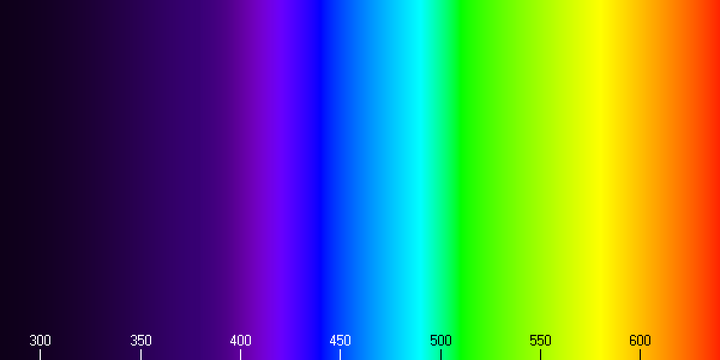
Before people could develop ways to measure color, they needed to understand what color is and how it is perceived. As a result, some of the earliest discoveries in color measurement involve the nature of light. In the mid-1600s, Isaac Newton used prisms to show that refraction could break white light into the constituent components of the visible light spectrum — red, orange, yellow, green, blue, indigo and violet. In 1692, he would write “Opticks,” which would serve as a basic, if imperfect, foundation for color research.

In the early 1800s, Thomas Young proposed the idea that red, green and blue color receptors in the human eye work together to create the wide variety of colors we perceive. Later, James Clerk Maxwell furthered this theory by showing that red, green and blue light could combine to create almost any desired color. Although Maxwell was not the first person to suggest that light acts as a wave, he did show that those wavelengths could be quantified as a form of electromagnetic energy in nanometers.

Posted in History

The History of Color Measurement Devices

Posted on Sep 02, 2022 by HunterLab

People have been working to understand color for centuries. Because color plays such a large role in many aspects of life — from art to commerce — people need reliable ways to communicate about color. Color measurement instruments make it possible to consistently quantify, compare and reproduce colors, essentially eliminating miscommunication between designers, manufacturers and organizations that need to define specific shades.

The possibilities color measurement offers today arose from years of study and development. When you understand the history of color measurement devices, you can better understand how they work and the benefits they offer. Let’s take a look at how far the color measurement field has come.

Early Discoveries in Color Measurement

Before people could develop ways to measure color, they needed to understand what color is and how it is perceived. As a result, some of the earliest discoveries in color measurement involve the nature of light. In the mid-1600s, Isaac Newton used prisms to show that refraction could break white light into the constituent components of the visible light spectrum — red, orange, yellow, green, blue, indigo and violet. In 1692, he would write “Opticks,” which would serve as a basic, if imperfect, foundation for color research.

In the early 1800s, Thomas Young proposed the idea that red, green and blue color receptors in the human eye work together to create the wide variety of colors we perceive. Later, James Clerk Maxwell furthered this theory by showing that red, green and blue light could combine to create almost any desired color. Although Maxwell was not the first person to suggest that light acts as a wave, he did show that those wavelengths could be quantified as a form of electromagnetic energy in nanometers.

Posted in History

The History of Color Measurement Devices

Posted on Sep 02, 2022 by HunterLab

People have been working to understand color for centuries. Because color plays such a large role in many aspects of life — from art to commerce — people need reliable ways to communicate about color. Color measurement instruments make it possible to consistently quantify, compare and reproduce colors, essentially eliminating miscommunication between designers, manufacturers and organizations that need to define specific shades.

The possibilities color measurement offers today arose from years of study and development. When you understand the history of color measurement devices, you can better understand how they work and the benefits they offer. Let’s take a look at how far the color measurement field has come.

Early Discoveries in Color Measurement

Before people could develop ways to measure color, they needed to understand what color is and how it is perceived. As a result, some of the earliest discoveries in color measurement involve the nature of light. In the mid-1600s, Isaac Newton used prisms to show that refraction could break white light into the constituent components of the visible light spectrum — red, orange, yellow, green, blue, indigo and violet. In 1692, he would write “Opticks,” which would serve as a basic, if imperfect, foundation for color research.

In the early 1800s, Thomas Young proposed the idea that red, green and blue color receptors in the human eye work together to create the wide variety of colors we perceive. Later, James Clerk Maxwell furthered this theory by showing that red, green and blue light could combine to create almost any desired color. Although Maxwell was not the first person to suggest that light acts as a wave, he did show that those wavelengths could be quantified as a form of electromagnetic energy in nanometers.

Posted in History

The History of Color Measurement Devices

Posted on Sep 02, 2022 by HunterLab

人々は何世紀にもわたり、色を理解しようと努力してきた。芸術から商業に至るまで、色は生活の様々な場面で大きな役割を果たしているため、人々は色について信頼できるコミュニケーション方法を必要としています。色彩測定器は、一貫して色を定量化し、比較し、再現することを可能にし、特定の色合いを定義する必要のあるデザイナー、製造業者、組織間のミスコミュニケーションを本質的に排除します。

色測定が今日提供する可能性は、長年の研究と開発から生まれました。測色デバイスの歴史を理解することで、それらがどのように機能し、どのような利点をもたらすのかをよりよく理解することができます。それでは、測色分野がどのように進歩してきたかを見てみましょう。

色計測における初期の発見

人々が色を測定する方法を開発する前に、色とは何か、どのように知覚されるかを理解する必要があった。その結果、色の測定における最も初期の発見のいくつかは、光の性質に関係している。1600年代半ば、アイザック・ニュートンはプリズムを使って、屈折によって白色光が可視光スペクトルの構成要素である赤、オレンジ、黄、緑、青、藍、紫に分解されることを示した。1692年、彼は不完全ながらも色彩研究の基礎となる『光学』を執筆する。

1800年代初頭、トーマス・ヤングは、人間の目にある赤、緑、青の色受容体が協力して、私たちが知覚する多種多様な色を作り出すという考えを提唱した。その後、ジェームズ・クラーク・マクスウェルが、赤、緑、青の光を組み合わせることで、ほとんどどんな色でも作り出すことができることを示し、この理論をさらに発展させた。マクスウェルは、光が波として作用することを示唆した最初の人物ではないが、それらの波長が電磁エネルギーの一形態としてナノメートル単位で定量化できることを示した。

Posted in History

The History of Color Measurement Devices

Posted on Sep 02, 2022 by HunterLab

Seit Jahrhunderten versuchen die Menschen, Farben zu verstehen. Da Farbe in vielen Bereichen des Lebens - von der Kunst bis zum Handel - eine so große Rolle spielt, brauchen die Menschen verlässliche Möglichkeiten, um über Farbe zu kommunizieren. Farbmessgeräte ermöglichen es, Farben einheitlich zu quantifizieren, zu vergleichen und zu reproduzieren, wodurch Missverständnisse zwischen Designern, Herstellern und Organisationen, die bestimmte Farbtöne definieren müssen, weitgehend ausgeschlossen werden.

Die Möglichkeiten, die Farbmessung heute bietet, sind das Ergebnis jahrelanger Forschung und Entwicklung. Wenn Sie die Geschichte der Farbmessgeräte kennen, können Sie besser verstehen, wie sie funktionieren und welche Vorteile sie bieten. Werfen wir einen Blick darauf, wie weit sich die Farbmessung entwickelt hat.

Frühe Entdeckungen in der Farbmessung

Bevor die Menschen Methoden zur Farbmessung entwickeln konnten, mussten sie verstehen, was Farbe ist und wie sie wahrgenommen wird. Einige der frühesten Entdeckungen auf dem Gebiet der Farbmessung beziehen sich daher auf die Natur des Lichts. Mitte des 16. Jahrhunderts zeigte Isaac Newton mit Hilfe von Prismen, dass sich weißes Licht durch Brechung in die einzelnen Komponenten des sichtbaren Lichtspektrums - Rot, Orange, Gelb, Grün, Blau, Indigo und Violett - aufteilen lässt. Im Jahr 1692 schrieb er "Opticks", das als grundlegende, wenn auch unvollkommene Grundlage für die Farbforschung dienen sollte.

In den frühen 1800er Jahren stellte Thomas Young die Idee auf, dass die roten, grünen und blauen Farbrezeptoren im menschlichen Auge zusammenarbeiten, um die große Vielfalt an Farben zu erzeugen, die wir wahrnehmen. Später entwickelte James Clerk Maxwell diese Theorie weiter, indem er zeigte, dass sich rotes, grünes und blaues Licht so kombinieren lässt, dass fast jede gewünschte Farbe entsteht. Maxwell war zwar nicht der erste, der vorschlug, dass Licht als Welle wirkt, aber er zeigte, dass diese Wellenlängen als eine Form elektromagnetischer Energie in Nanometern quantifiziert werden können.

Posted in History

The History of Color Measurement Devices

Posted on Sep 02, 2022 by HunterLab

La gente lleva siglos trabajando para entender el color. Dado que el color desempeña un papel tan importante en muchos aspectos de la vida -desde el arte hasta el comercio-, la gente necesita formas fiables de comunicarse sobre el color. Los instrumentos de medición del color permiten cuantificar, comparar y reproducir los colores de forma coherente, lo que elimina la falta de comunicación entre diseñadores, fabricantes y organizaciones que necesitan definir tonos específicos.

Las posibilidades que la medición del color ofrece hoy en día surgieron tras años de estudio y desarrollo. Cuando comprenda la historia de los dispositivos de medición del color, podrá entender mejor cómo funcionan y las ventajas que ofrecen. Echemos un vistazo a lo lejos que ha llegado el campo de la medición del color.

Primeros descubrimientos en la medición del color

Antes de desarrollar métodos para medir el color, era necesario comprender qué es el color y cómo se percibe. Por ello, algunos de los primeros descubrimientos sobre la medición del color se refieren a la naturaleza de la luz. A mediados del siglo XVI, Isaac Newton utilizó prismas para demostrar que la refracción podía descomponer la luz blanca en los componentes del espectro de luz visible: rojo, naranja, amarillo, verde, azul, añil y violeta. En 1692 escribiría "Opticks", que serviría de fundamento básico, aunque imperfecto, para la investigación del color.

A principios del siglo XIX, Thomas Young propuso la idea de que los receptores de color rojo, verde y azul del ojo humano trabajan juntos para crear la gran variedad de colores que percibimos. Más tarde, James Clerk Maxwell desarrolló esta teoría demostrando que la luz roja, verde y azul podían combinarse para crear casi cualquier color deseado. Aunque Maxwell no fue el primero en sugerir que la luz actúa como una onda, sí demostró que esas longitudes de onda podían cuantificarse como una forma de energía electromagnética en nanómetros.

Posted in History
Prev
1
Next

Most Related Posts

  • The History of Color Measurement Devices
  • The History of Color Measurement Devices
  • The History of Color Measurement Devices
  • The History of Color Measurement Devices
  • The History of Color Measurement Devices
  • The History of Color Measurement Devices
More

Follow us on social

  • LinkedIn
  • YouTube
  • facebook
  • X
  • instagram