About
BLOG

Interested in a little light reading?

Our blog is continually updated with helpful educational information, advises, research and insights—all in the name of helping you level-up your color and appearance needs. Grab a drink and enjoy our stories!

Explore Our Stories
1-Luminance-vs.-Illuminance-Whats-the-Difference.jpg

"Color Perception With Different Light Sources (Metamerism)"

Read More

Explore Our Products

VIEW MORE

1-Luminance-vs.-Illuminance-Whats-the-Difference.jpg

"Colour Perception With Different Light Sources (Metamerism)"

Read More
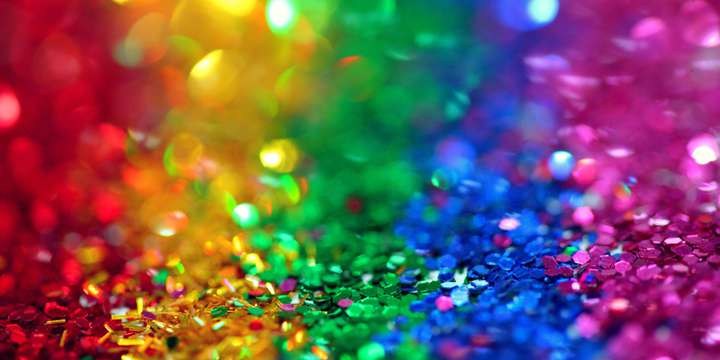
pexels-sharon-mccutcheon-1191710-scaled.jpg

"Color Meanings and Communication"

Read More
pexels-sharon-mccutcheon-1191710-scaled.jpg

"Color Meanings and Communication"

Read More
pexels-sharon-mccutcheon-1191710-scaled.jpg

"Color Meanings and Communication"

Read More
pexels-sharon-mccutcheon-1191710-scaled.jpg

"Color Meanings and Communication"

Read More
pexels-sharon-mccutcheon-1191710-scaled.jpg

"Colour Meanings and Communication"

Read More

Color Perception With Different Light Sources (Metamerism)

Posted on Mar 19, 2026 by HunterLab

El color es una presencia dominante en nuestra vida cotidiana. Desde la ropa que llevamos hasta los alimentos que comemos, estamos constantemente viendo y evaluando el color. Pero, ¿cómo afecta la luz a los colores que vemos? Si alguna vez ha notado que su percepción del color cambia con diferentes fuentes de luz, entonces ha experimentado un molesto fenómeno conocido como metamerismo.

¿Qué es el metamerismo?

El metamerismo se produce cuando dos colores coinciden bajo un tipo de iluminación pero no bajo otro. Esta peculiaridad tiene que ver con la relación entre la luz y el color.

Percibimos el color en función del modo en que un objeto refleja la luz, y esa percepción se basa en la fuente de luz. Si comparamos la reflectancia de la luz incandescente con la de la luz diurna, por ejemplo, veremos que la luz incandescente tiene un mayor nivel de energía en la zona roja del espectro. Esto significa que un objeto visto bajo luz incandescente aparecerá más rojo que a la luz del día. La luz diurna tiene más energía en el extremo opuesto, el azul, del espectro.

La información de reflectancia sobre un color específico se conoce como la "huella dactilar" de ese color. Cuando dos colores parecen idénticos bajo una fuente de luz, pero diferentes bajo otra, se conocen como un par metamérico.


Posted in Color And Appearance Theory

Colour Perception With Different Light Sources (Metamerism)

Posted on Mar 19, 2026 by HunterLab

Colour is a dominant presence in our daily lives. From the clothes we wear to the food we eat, we are constantly viewing and evaluating colour. But how does light affect the colours we see? If you’ve ever noticed that your colour perception changes with different light sources, then you’ve experienced a vexing phenomenon known as metamerism.

What Is Metamerism?

Metamerism occurs when two colours match under one type of lighting but not another. This peculiarity has to do with the relationship between light and colour.

We perceive colour based on the way an object reflects light, and that perception is based on the light source. When you compare the reflectance of incandescent light to daylight, for example, you’ll find that incandescent light has a higher level of energy in the red area of the spectrum. This means an object viewed under incandescent light will appear redder than it will in daylight. Daylight has more energy on the opposite, blue end of the spectrum.

Reflectance information about a specific colour is known as that colour’s “fingerprint.” When two colours look identical under one light source, but different under another, they are known as a metameric pair.

Posted in Color And Appearance Theory

Color Meanings and Communication

Posted on Mar 19, 2026 by HunterLab

Every day you are surrounded by colors — they may inspire, motivate or remind you of something else you experienced. Because color plays such an important role in how most people experience the world, it also looms large in the human psyche. Different colors affect mood in significant ways. As a result, you can use specific colors to communicate ideas and even influence behavior.

How Colors Affect Your Mood

People associate different colors with various emotions and concepts. Color meaning and psychology are closely linked, with certain colors shown to impact mood. Exposure to specific wavelengths of light can even produce physiological responses, impacting heart rate and alertness.

Ideas about a color’s meaning in life vary from person to person. However, themes crop up around specific colors. When you understand what a color means, you can use it to create a desired atmosphere or encourage specific responses in an audience. In Western countries, colors on the visible light spectrum are typically associated with the following ideas and emotions:

  • Red: Energy, passion, determination
  • Orange: Ambition, youthfulness, extroversion
  • Yellow: Optimism, happiness, excitement
  • Green: Growth, peace, nature
  • Blue: Relaxation, trust, loyalty
  • Purple: Prosperity, imagination, focus
  • Grey: Strength, stability, longevity
  • Brown: Comfort, reliability, seriousness
  • White: Purity, cleanliness, harmony
  • Black: Power, sophistication, mystery

Posted in Color And Appearance Theory

Color Meanings and Communication

Posted on Mar 19, 2026 by HunterLab

毎日、あなたは色に囲まれている。色はあなたにインスピレーションを与えたり、やる気を起こさせたり、あなたが経験した何かを思い出させたりするかもしれない。多くの人が世界をどのように体験するかにおいて、色はとても重要な役割を担っているため、人間の精神においても色は大きく影響している。色によって気分は大きく変わります。その結果、特定の色を使ってアイデアを伝えたり、行動に影響を与えたりすることもできる。

色が気分に与える影響

人はさまざまな色から、さまざまな感情や概念を連想する。色の意味と心理学は密接に結びついており、特定の色が気分に影響を与えることが示されている。特定の波長の光を浴びることで、心拍数や覚醒度に影響を与え、生理的反応を引き起こすことさえある。

人生における色の意味についての考え方は人によって異なる。しかし、特定の色の周りにはテーマが現れる。色の意味を理解すれば、その色を使って希望の雰囲気を作ったり、聴衆に特定の反応を促したりすることができる。欧米諸国では、可視光線スペクトルの色は一般的に次のような考えや感情と結びついている:

  • 赤: エネルギー、情熱、決意
  • オレンジ: 野心、若さ、外向性
  • 黄色: 楽観主義、幸福、興奮
  • 緑: 成長、平和、自然
  • 青: リラックス、信頼、忠誠心
  • パープル: 繁栄、想像力、集中力
  • グレー: 強さ、安定性、長寿
  • ブラウン: 快適さ、信頼性、真面目さ
  • 白: 純潔、清潔、調和
  • 黒: パワー、洗練、ミステリー

Posted in Color And Appearance Theory

Color Meanings and Communication

Posted on Mar 19, 2026 by HunterLab

Jeden Tag sind Sie von Farben umgeben - sie können Sie inspirieren, motivieren oder an etwas anderes erinnern, das Sie erlebt haben. Da Farben eine so wichtige Rolle dabei spielen, wie die meisten Menschen die Welt erleben, spielen sie auch in der menschlichen Psyche eine große Rolle. Unterschiedliche Farben beeinflussen die Stimmung in erheblicher Weise. Daher können Sie bestimmte Farben verwenden, um Ideen zu vermitteln und sogar das Verhalten zu beeinflussen.

Wie Farben Ihre Stimmung beeinflussen

Menschen assoziieren verschiedene Farben mit unterschiedlichen Emotionen und Konzepten. Farbbedeutung und Psychologie sind eng miteinander verknüpft, denn bestimmte Farben beeinflussen nachweislich die Stimmung. Die Exposition gegenüber bestimmten Wellenlängen des Lichts kann sogar physiologische Reaktionen hervorrufen, die sich auf die Herzfrequenz und die Wachsamkeit auswirken.

Die Vorstellungen über die Bedeutung einer Farbe im Leben sind von Mensch zu Mensch verschieden. Es gibt jedoch Themen, die sich um bestimmte Farben ranken. Wenn Sie wissen, was eine Farbe bedeutet, können Sie sie einsetzen, um eine gewünschte Atmosphäre zu schaffen oder bestimmte Reaktionen bei einem Publikum hervorzurufen. In den westlichen Ländern werden die Farben des sichtbaren Lichtspektrums in der Regel mit den folgenden Vorstellungen und Gefühlen in Verbindung gebracht:

  • Rot: Energie, Leidenschaft, Entschlossenheit
  • Orange: Ehrgeiz, Jugendlichkeit, Extrovertiertheit
  • Gelb: Optimismus, Glück, Aufregung
  • Grün: Wachstum, Frieden, Natur
  • Blau: Entspannung, Vertrauen, Loyalität
  • Lila: Wohlstand, Phantasie, Konzentration
  • Grau: Stärke, Stabilität, Langlebigkeit
  • Braun: Komfort, Zuverlässigkeit, Seriosität
  • Weiß: Reinheit, Sauberkeit, Harmonie
  • Schwarz: Macht, Raffinesse, Geheimnis

Posted in Color And Appearance Theory

Color Meanings and Communication

Posted on Mar 19, 2026 by HunterLab

Todos los días estamos rodeados de colores, que pueden inspirarnos, motivarnos o recordarnos alguna experiencia. Dado que el color desempeña un papel tan importante en la forma en que la mayoría de la gente percibe el mundo, también ocupa un lugar preponderante en la psique humana. Los distintos colores influyen en el estado de ánimo de forma significativa. Por eso, puedes utilizar colores específicos para comunicar ideas e incluso influir en el comportamiento.

Cómo afectan los colores a tu estado de ánimo

Las personas asocian distintos colores con diversas emociones y conceptos. El significado del color y la psicología están estrechamente relacionados, y se ha demostrado que ciertos colores influyen en el estado de ánimo. La exposición a determinadas longitudes de onda de luz puede incluso producir respuestas fisiológicas, que afectan al ritmo cardíaco y al estado de alerta.

Las ideas sobre el significado de un color en la vida varían de una persona a otra. Sin embargo, hay temas que surgen en torno a colores específicos. Cuando se comprende el significado de un color, se puede utilizar para crear la atmósfera deseada o estimular respuestas específicas en un público. En los países occidentales, los colores del espectro de luz visible suelen asociarse con las siguientes ideas y emociones:

  • Rojo: Energía, pasión, determinación
  • Naranja: Ambición, juventud, extroversión
  • Amarillo: Optimismo, felicidad, entusiasmo
  • Verde: Crecimiento, paz, naturaleza
  • Azul: Relajación, confianza, lealtad
  • Morado: Prosperidad, imaginación, concentración
  • Gris: Fuerza, estabilidad, longevidad
  • Brown: Comodidad, fiabilidad, seriedad
  • Blanco: Pureza, limpieza, armonía
  • Negro: Poder, sofisticación, misterio

Posted in Color And Appearance Theory

Colour Meanings and Communication

Posted on Mar 19, 2026 by HunterLab

Every day you are surrounded by colours — they may inspire, motivate or remind you of something else you experienced. Because colour plays such an important role in how most people experience the world, it also looms large in the human psyche. Different colours affect mood in significant ways. As a result, you can use specific colours to communicate ideas and even influence behavior.

How Colours Affect Your Mood

People associate different colours with various emotions and concepts. Colour meaning and psychology are closely linked, with certain colours shown to impact mood. Exposure to specific wavelengths of light can even produce physiological responses, impacting heart rate and alertness.

Ideas about a colour’s meaning in life vary from person to person. However, themes crop up around specific colours. When you understand what a colour means, you can use it to create a desired atmosphere or encourage specific responses in an audience. In Western countries, colours on the visible light spectrum are typically associated with the following ideas and emotions:

  • Red: Energy, passion, determination
  • Orange: Ambition, youthfulness, extroversion
  • Yellow: Optimism, happiness, excitement
  • Green: Growth, peace, nature
  • Blue: Relaxation, trust, loyalty
  • Purple: Prosperity, imagination, focus
  • Grey: Strength, stability, longevity
  • Brown: Comfort, reliability, seriousness
  • White: Purity, cleanliness, harmony
  • Black: Power, sophistication, mystery

Posted in Color And Appearance Theory
Prev
1
2
3
4
5
…
Next

Most Related Posts

  • Food Coloring Regulations and Standards
  • Food Coloring Regulations and Standards
  • Food Coloring Regulations and Standards
  • Food Coloring Regulations and Standards
  • Food Coloring Regulations and Standards
  • Food Coloring Regulations and Standards
  • Everything You Need to Know About Dye Allergies
View More Related Posts

Follow us on social

  • LinkedInFollow us on LinkedIn
  • YouTubeFollow us on YouTube
  • facebookFollow us on Facebook
  • XFollow us on X (formerly Twitter)
  • instagramFollow us on Instagram