About
BLOG

Lust auf eine kleine Lektüre?

Unser Blog wird ständig mit hilfreichen Informationen, Ratschlägen, Forschungsergebnissen und Einblicken aktualisiert – alles mit dem Ziel, Ihnen dabei zu helfen, Ihre Bedürfnisse in Bezug auf Farbe und Aussehen zu verbessern. Holen Sie sich etwas zu trinken und genießen Sie unsere Geschichten!

Explore Our Stories
french-press.jpeg

"Coffee and Color Measurement: How Spectrophotometers Take the Guesswork Out of the Roasting Process"

Read More

Explore Our Products

VIEW MORE

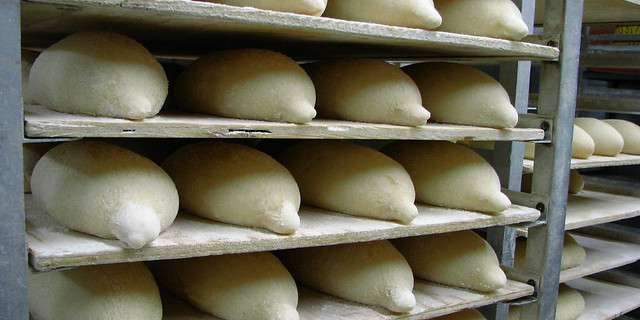
3964271818_4d3fa5db45_z.jpg

"Utilizing Color Quality Control Data to Improve Production in the Food Industry"

Read More
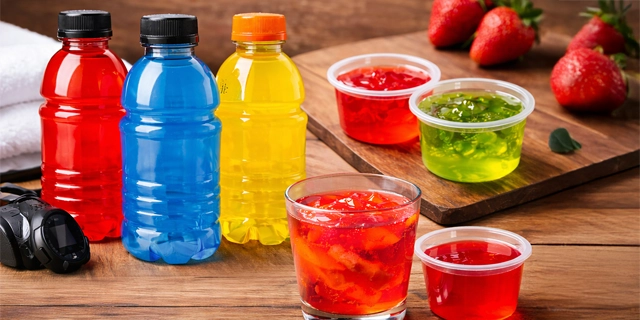
bottles of sports drinks and cups of Jell-O on a table

"Why Color Clarity Matters More Than Ever in the Shift to Natural Dyes"

Read More
bottles of sports drinks and cups of Jell-O on a table

"Why Color Clarity Matters More Than Ever in the Shift to Natural Dyes"

Read More
bottles of sports drinks and cups of Jell-O on a table

"Why Color Clarity Matters More Than Ever in the Shift to Natural Dyes"

Read More
bottles of sports drinks and cups of Jell-O on a table

"Why Color Clarity Matters More Than Ever in the Shift to Natural Dyes"

Read More
bottles of sports drinks and cups of Jell-O on a table

"Why Color Clarity Matters More Than Ever in the Shift to Natural Dyes"

Read More

Coffee and Color Measurement: How Spectrophotometers Take the Guesswork Out of the Roasting Process

Posted on Feb 03, 2026 by HunterLab

Creating the perfect coffee roast is highly dependent of color measurement. Low quality instrumentation can lead to variables roasting times, but proper instrumentation ensures perfect color and consistency every time from start to finished product.

When producing the highest quality of coffee, color is a crucial part of the process. Coffee color measurement refers to the procedure that takes raw coffee beans to the peak of their roasting process. The utilization of spectrophotometers can help gauge the exact moment that a roast reaches its full color potential, ensuring that coffee color remains consistent throughout each batch. Many spectrophotometers claim to measure this key point in the coffee roasting process, but miss the mark by just a slight margin. Even this small margin can be costly, but quality coffee color measurement tools eliminate errors and ensure quality and consistency every time.

From plant, to production, to perfection

Creating a quality coffee product begins with choosing the best coffee beans. Measuring the color of raw beans is an important step in developing just the right coffee blend. Color consistency in raw beans helps to ensure that the consistency remains the same all the way through the roasting process. Spectral analysis provides important data regarding any contamination or imperfections the raw beans may have. This streamlines the selection process of raw materials and saves in wasted product and time further on down the line. Once raw beans have been carefully selected, the roasting process is the next step towards creating a high-quality product. Coffee color analysis is most effective when it is performed continuously throughout the roasting process.

Coffee color plays an important role in raw bean selection. Choosing only the best in raw materials, ultimately leads to higher quality results in the end.

Posted in Color In Food Industry

Utilizing Color Quality Control Data to Improve Production in the Food Industry

Posted on Feb 03, 2026 by HunterLab

Food manufacturing and production have significantly increased over the past several decades. To maintain quality and uniformity in mass produced foods, utilizing color measurement data is crucial. Image Source: Flickr user Michael Gil

Staying involved in my children’s education is important to me, so when the opportunity arose to join my 2nd grader on a field trip to our local bakery franchise, I was the first to volunteer. What a great experience it was to see commercial food production first hand. The rate and quantity of baked goods being produced was remarkable, but I wondered how much technology was needed to keep things running smoothly.

With my knowledge of color measurement, I knew that production and quality control depend largely on the right instrumentation. Color quality control plays a major role in food excellence and safety, but understanding and managing the data in today’s large-scale food manufacturing industry can be a challenge. Choosing the right color measurement tools and utilizing data effectively is the first step towards addressing these challenges.

Posted in Color In Food Industry

Why Color Clarity Matters More Than Ever in the Shift to Natural Dyes

Posted on Feb 02, 2026 by HunterLab

If you're reformulating food products with natural dyes, you already know this isn't just a color conversation. It's also about clarity.

Today’s consumers want clean labels, but they also expect the vibrant, crystal-clear appearance they’ve always trusted. That’s why measuring both color and haze has become essential in food quality control, especially for transparent products like gelatin desserts and sports drinks.

At HunterLab, we understand that true visual quality isn't just about hue. It's about how that hue is seen. That’s why our Vista® spectrophotometer captures both color and haze in a single measurement, helping manufacturers navigate reformulation with confidence. Showing that we recognize replacing synthetic colors with natural colors is just not about finding a replacement color; it is about finding a natural color that will work in your product.

The Shift: From Synthetic Dyes to Natural Alternatives

Across the Food and Beverage industries, major food brands are stepping up to remove synthetic dyes, driven by federal initiatives and evolving consumer expectations. One iconic brand has already begun a multi-year journey to remove artificial colorants from its gelatin and powdered drink lines. The move reflects a broader industry trend: reduce, replace, and reinvent color systems using natural ingredients.

Sounds simple. But it's not.

Unlike synthetic dyes, natural pigments often don’t dissolve cleanly in water-based systems. They bring microscopic particles, create protein-polyphenol interactions, and can become unstable in acidic conditions. The result? A haze that dulls the product’s clarity—even when the color is technically “correct.”


Posted in Color In Food Industry

Why Color Clarity Matters More Than Ever in the Shift to Natural Dyes

Posted on Jan 30, 2026 by HunterLab

If you're reformulating food products with natural dyes, you already know this isn't just a color conversation. It's also about clarity.

Today’s consumers want clean labels, but they also expect the vibrant, crystal-clear appearance they’ve always trusted. That’s why measuring both color and haze has become essential in food quality control, especially for transparent products like gelatin desserts and sports drinks.

At HunterLab, we understand that true visual quality isn't just about hue. It's about how that hue is seen. That’s why our Vista® spectrophotometer captures both color and haze in a single measurement, helping manufacturers navigate reformulation with confidence. Showing that we recognize replacing synthetic colors with natural colors is just not about finding a replacement color; it is about finding a natural color that will work in your product.

The Shift: From Synthetic Dyes to Natural Alternatives

Across the Food and Beverage industries, major food brands are stepping up to remove synthetic dyes, driven by federal initiatives and evolving consumer expectations. One iconic brand has already begun a multi-year journey to remove artificial colorants from its gelatin and powdered drink lines. The move reflects a broader industry trend: reduce, replace, and reinvent color systems using natural ingredients.

Sounds simple. But it's not.

Unlike synthetic dyes, natural pigments often don’t dissolve cleanly in water-based systems. They bring microscopic particles, create protein-polyphenol interactions, and can become unstable in acidic conditions. The result? A haze that dulls the product’s clarity—even when the color is technically “correct.”
Posted in Color In Food Industry

Why Color Clarity Matters More Than Ever in the Shift to Natural Dyes

Posted on Jan 30, 2026 by HunterLab

If you're reformulating food products with natural dyes, you already know this isn't just a color conversation. It's also about clarity.

Today’s consumers want clean labels, but they also expect the vibrant, crystal-clear appearance they’ve always trusted. That’s why measuring both color and haze has become essential in food quality control, especially for transparent products like gelatin desserts and sports drinks.

At HunterLab, we understand that true visual quality isn't just about hue. It's about how that hue is seen. That’s why our Vista® spectrophotometer captures both color and haze in a single measurement, helping manufacturers navigate reformulation with confidence. Showing that we recognize replacing synthetic colors with natural colors is just not about finding a replacement color; it is about finding a natural color that will work in your product.

The Shift: From Synthetic Dyes to Natural Alternatives

Across the Food and Beverage industries, major food brands are stepping up to remove synthetic dyes, driven by federal initiatives and evolving consumer expectations. One iconic brand has already begun a multi-year journey to remove artificial colorants from its gelatin and powdered drink lines. The move reflects a broader industry trend: reduce, replace, and reinvent color systems using natural ingredients.

Sounds simple. But it's not.

Unlike synthetic dyes, natural pigments often don’t dissolve cleanly in water-based systems. They bring microscopic particles, create protein-polyphenol interactions, and can become unstable in acidic conditions. The result? A haze that dulls the product’s clarity—even when the color is technically “correct.”
Posted in Color In Food Industry

Why Color Clarity Matters More Than Ever in the Shift to Natural Dyes

Posted on Jan 30, 2026 by HunterLab

If you're reformulating food products with natural dyes, you already know this isn't just a color conversation. It's also about clarity.

Today’s consumers want clean labels, but they also expect the vibrant, crystal-clear appearance they’ve always trusted. That’s why measuring both color and haze has become essential in food quality control, especially for transparent products like gelatin desserts and sports drinks.

At HunterLab, we understand that true visual quality isn't just about hue. It's about how that hue is seen. That’s why our Vista® spectrophotometer captures both color and haze in a single measurement, helping manufacturers navigate reformulation with confidence. Showing that we recognize replacing synthetic colors with natural colors is just not about finding a replacement color; it is about finding a natural color that will work in your product.

The Shift: From Synthetic Dyes to Natural Alternatives

Across the Food and Beverage industries, major food brands are stepping up to remove synthetic dyes, driven by federal initiatives and evolving consumer expectations. One iconic brand has already begun a multi-year journey to remove artificial colorants from its gelatin and powdered drink lines. The move reflects a broader industry trend: reduce, replace, and reinvent color systems using natural ingredients.

Sounds simple. But it's not.

Unlike synthetic dyes, natural pigments often don’t dissolve cleanly in water-based systems. They bring microscopic particles, create protein-polyphenol interactions, and can become unstable in acidic conditions. The result? A haze that dulls the product’s clarity—even when the color is technically “correct.”

Posted in Color In Food Industry

Why Color Clarity Matters More Than Ever in the Shift to Natural Dyes

Posted on Jan 30, 2026 by HunterLab

If you're reformulating food products with natural dyes, you already know this isn't just a color conversation. It's also about clarity.

Today’s consumers want clean labels, but they also expect the vibrant, crystal-clear appearance they’ve always trusted. That’s why measuring both color and haze has become essential in food quality control, especially for transparent products like gelatin desserts and sports drinks.

At HunterLab, we understand that true visual quality isn't just about hue. It's about how that hue is seen. That’s why our Vista® spectrophotometer captures both color and haze in a single measurement, helping manufacturers navigate reformulation with confidence. Showing that we recognize replacing synthetic colors with natural colors is just not about finding a replacement color; it is about finding a natural color that will work in your product.

The Shift: From Synthetic Dyes to Natural Alternatives

Across the Food and Beverage industries, major food brands are stepping up to remove synthetic dyes, driven by federal initiatives and evolving consumer expectations. One iconic brand has already begun a multi-year journey to remove artificial colorants from its gelatin and powdered drink lines. The move reflects a broader industry trend: reduce, replace, and reinvent color systems using natural ingredients.

Sounds simple. But it's not.

Unlike synthetic dyes, natural pigments often don’t dissolve cleanly in water-based systems. They bring microscopic particles, create protein-polyphenol interactions, and can become unstable in acidic conditions. The result? A haze that dulls the product’s clarity—even when the color is technically “correct.”

Posted in Color In Food Industry
Prev
1
2
3
…
Next

Most Related Posts

  • Coffee and Color Measurement: How Spectrophotometers Take the Guesswork Out of the Roasting Process
  • Utilizing Color Quality Control Data to Improve Production in the Food Industry
  • Why Color Clarity Matters More Than Ever in the Shift to Natural Dyes
  • Why Color Clarity Matters More Than Ever in the Shift to Natural Dyes
  • Why Color Clarity Matters More Than Ever in the Shift to Natural Dyes
  • Why Color Clarity Matters More Than Ever in the Shift to Natural Dyes
  • Why Color Clarity Matters More Than Ever in the Shift to Natural Dyes
View More Related Posts

Follow us on social

  • LinkedIn
  • YouTube
  • facebook
  • X
  • instagram