About
BLOG

Lust auf eine kleine Lektüre?

Unser Blog wird ständig mit hilfreichen Informationen, Ratschlägen, Forschungsergebnissen und Einblicken aktualisiert – alles mit dem Ziel, Ihnen dabei zu helfen, Ihre Bedürfnisse in Bezug auf Farbe und Aussehen zu verbessern. Holen Sie sich etwas zu trinken und genießen Sie unsere Geschichten!

Explore Our Stories
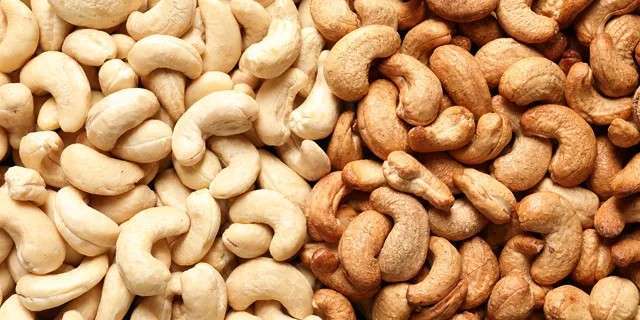
A pile of raw and roasted cashews

"Is Your Cashew Roast Color Missing the Mark?"

Read More

Explore Our Products

VIEW MORE

A pile of raw and roasted cashews

"Is Your Cashew Roast Color Missing the Mark?"

Read More
A pile of raw and roasted cashews

"Is Your Cashew Roast Color Missing the Mark?"

Read More
A pile of raw and roasted cashews

"あなたのカシュー ローストの色は的外れではありませんか?"

Read More
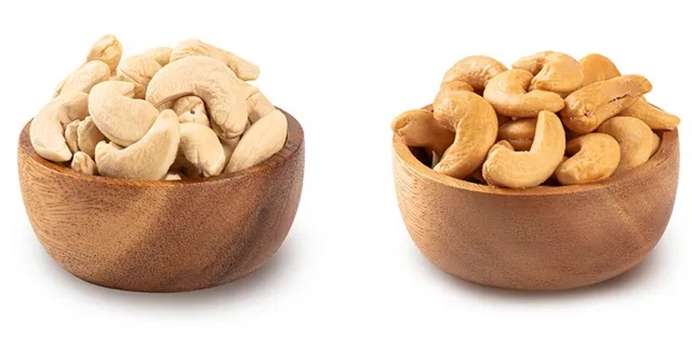
Raw and roasted cashews in bowls showing color change from processing—important for food quality control.

"Need Better Whole-Nut Roast Color Control?"

Read More
Raw and roasted cashews in bowls showing color change from processing—important for food quality control.

"Need Better Whole-Nut Roast Color Control?"

Read More
Raw and roasted cashews in bowls showing color change from processing—important for food quality control.

"Need Better Whole-Nut Roast Color Control?"

Read More

Is Your Cashew Roast Color Missing the Mark?

Posted on Sep 30, 2025 by HunterLab

You spot a batch of roasted cashews and think they look perfect—but the flavor testers disagree, and shelf life is inconsistent. If your QA team relies on visual checks, you’re working with blind spots. Inconsistent roast color means wasted product, unhappy customers, and lost revenue.

Here’s how two tools from HunterLab—Aeros and SpectraTrend HT—help you hit your color targets every time, keeping your QA process tight, efficient, and repeatable.

From Raw to Packaged: Where Color Can Slip

Let’s walk through a typical cashew roasting process. Color issues can pop up at any point.

  1. Preparation – You sort and clean kernels, then adjust moisture to 5–7%. Too much water = pale roast; too little = fast browning.
  2. Optional Blanching – You steam to remove skins, then dry back to 5%. Inconsistent moisture here skews roast uniformity.
  3. Roasting
  • Oil roasting at 160–175 °C for 3–5 min. Pull at the exact gold hue—subjective guesses introduce errors.
  • Dry roasting at 140–160 °C for 15–30 min. Without continuous color checks, batches run pale or over-roast.
  1. Cool & Season – Improper cooling affects final appearance and texture.
  2. QC and Packaging – Visual checks and moisture tests help, but they miss subtle color shifts until it’s too late.

That’s where objective color measurement makes the difference.

Posted in Color In Food Industry

Is Your Cashew Roast Color Missing the Mark?

Posted on Sep 30, 2025 by HunterLab

You spot a batch of roasted cashews and think they look perfect—but the flavor testers disagree, and shelf life is inconsistent. If your QA team relies on visual checks, you’re working with blind spots. Inconsistent roast color means wasted product, unhappy customers, and lost revenue.

Here’s how two tools from HunterLab—Aeros and SpectraTrend HT—help you hit your color targets every time, keeping your QA process tight, efficient, and repeatable.

From Raw to Packaged: Where Color Can Slip

Let’s walk through a typical cashew roasting process. Color issues can pop up at any point.

  1. Preparation – You sort and clean kernels, then adjust moisture to 5–7%. Too much water = pale roast; too little = fast browning.
  2. Optional Blanching – You steam to remove skins, then dry back to 5%. Inconsistent moisture here skews roast uniformity.
  3. Roasting
  • Oil roasting at 160–175 °C for 3–5 min. Pull at the exact gold hue—subjective guesses introduce errors.
  • Dry roasting at 140–160 °C for 15–30 min. Without continuous color checks, batches run pale or over-roast.
  1. Cool & Season – Improper cooling affects final appearance and texture.
  2. QC and Packaging – Visual checks and moisture tests help, but they miss subtle color shifts until it’s too late.

That’s where objective color measurement makes the difference.

Posted in Color In Food Industry

Is Your Cashew Roast Color Missing the Mark?

Posted on Sep 30, 2025 by HunterLab

Ves un lote de anacardos tostados y piensas que tienen un aspecto perfecto, pero los catadores no están de acuerdo y la vida útil es inconsistente. Si tu equipo de control de calidad se basa en inspecciones visuales, estás trabajando con puntos ciegos. Un color de tostado inconsistente significa producto desperdiciado, clientes insatisfechos y pérdida de ingresos.

Así es como dos herramientas de HunterLab, Aeros y SpectraTrend HT, le ayudan a alcanzar sus objetivos de color en todo momento, manteniendo su proceso de control de calidad riguroso, eficiente y repetible.

De crudo a envasado: dónde puede desvanecerse el color

Veamos un proceso típico de tostado de anacardos. Los problemas de color pueden surgir en cualquier momento.

  1. Preparación: clasifique y limpie los granos, luego ajuste la humedad al 5-7 %. Demasiada agua = tueste pálido; muy poca = dorado rápido.
  2. Blanqueado opcional: se cuece al vapor para eliminar las pieles y luego se seca hasta alcanzar un 5 %. Una humedad irregular en este punto afecta a la uniformidad del tostado.
  3. Asado
  • Tostado en aceite a 160-175 °C durante 3-5 minutos. Retirar cuando alcance el tono dorado exacto; las estimaciones subjetivas pueden introducir errores.
  • Tostado en seco a 140-160 °C durante 15-30 minutos. Sin controles continuos del color, los lotes quedan pálidos o demasiado tostados.
  1. Refrigeración y temporada: una refrigeración inadecuada afecta al aspecto y la textura finales.
  2. Control de calidad y embalaje: las comprobaciones visuales y las pruebas de humedad son útiles, pero no detectan los cambios sutiles de color hasta que es demasiado tarde.

Ahí es donde la medición objetiva del color marca la diferencia.

Posted in Color In Food Industry

あなたのカシュー ローストの色は的外れではありませんか?

Posted on Sep 30, 2025 by HunterLab

ローストしたカシューナッツの塊を見つけて、見た目は完璧だと思いますが、フレーバーテスターの意見は一致せず、保存期間は一定ではありません。 QA チームが目視チェックに依存している場合、盲点を抱えて作業していることになります。ローストの色が一定しないと、製品が無駄になり、顧客が不満を抱き、収益が失われます。
HunterLab の 2 つのツール、Aeros と SpectraTrend HT が、毎回目標のカラーを達成し、QA プロセスを厳格かつ効率的かつ再現可能に保つのにどのように役立つかを説明します。

生からパッケージ化まで: 色が変わる可能性がある場所

典型的なカシューナッツの焙煎プロセスを見てみましょう。色の問題はいつでも発生する可能性があります。

準備 – 穀粒を選別して洗浄し、水分を 5 ~ 7% に調整します。水が多すぎる = ローストが薄い。少なすぎる = 茶色が早くなります。

  1. オプションの湯通し – 蒸して皮を取り除き、5% まで乾燥させます。ここで水分が一貫していない場合、ローストの均一性が損なわれます。
  2. 焙煎
  3. 160 ~ 175 °C で 3 ~ 5 分間油で焙煎します。正確なゴールドの色合いを引き出します。主観的な推測により誤差が生じます。
  4. 140 ~ 160 °C で 15 ~ 30 分間乾式焙煎します。継続的な色のチェックがなければ、バッチは青白くなったり、ローストしすぎたりします。
  5. クール&シーズン - 不適切な冷却は、最終的な外観と質感に影響を与えます。
  6. QC と梱包 – 目視チェックと水分テストは役に立ちますが、手遅れになるまで微妙な色の変化を見逃してしまいます。

ここで、客観的な色測定が違いを生みます。

Posted in Color In Food Industry

Need Better Whole-Nut Roast Color Control?

Posted on Aug 13, 2025 by HunterLab

Export buyers notice inconsistencies—do you? Manufacturers often rely on ground samples and handheld chroma meters. This method fails to capture whole-nut appearance. A roast-level measurement that aligns with consumer expectations can elevate product consistency—especially for global export markets.

A slightly over- or under-roasted cashew can affect perceived quality, flavor, and brand trust. Yet many processors still rely on outdated, destructive color checks that don’t reflect what the consumer sees.

Let’s fix that.

Why Color Accuracy Drives Cashew Quality

  • Consumer confidence: Global buyers expect golden-brown uniformity. Irregular batches erode trust.
  • Export readiness: Color variation is a top rejection reason for U.S. and EU-bound shipments.
  • Flavor & texture proxy: Roast color is linked to browning index and sensory qualities.

The Problem with Ground Sample Methods

  1. Inaccurate representation: Grinding mixes inner and outer nut layers, masking true surface color.
  2. Prep variability: Operator technique affects grind consistency and packing.
  3. Low throughput: Each test can take 8–10 minutes—including warm-up, grind, and tray prep.
  4. Wasteful: Ground samples can’t be reused—costing time and raw materials.

Posted in Color In Food Industry

Need Better Whole-Nut Roast Color Control?

Posted on Aug 13, 2025 by HunterLab

輸出バイヤーは不一致に気づきますが、あなたは気づいていますかメーカーはしばしば地上サンプルと携帯型彩度計に頼る。この方法ではホールナッツの外観を捉えることができません。消費者の期待に沿ったローストレベルの測定は、製品の一貫性を高めることができます。

カシューナッツの焙煎の過不足は、品質、風味、ブランドの信頼に影響する。しかし、多くの加工業者はいまだに、消費者が目にするものを反映しない、時代遅れの破壊的なカラー・チェックに頼っている。

それを直そう。

色の正確さがカシューナッツの品質を左右する理由

  • 消費者の信頼:世界のバイヤーは、黄金色の均一性を期待している。不規則なロットは信頼を損なう。
  • 輸出準備:色のばらつきは、米国およびEU向け出荷の不合格理由のトップです。
  • 風味と食感の代理人:焙煎色は褐変指数と官能的品質に関連している。

地上サンプル法の問題点

  1. 不正確な表現:研磨はナットの内側と外側の層を混ぜ合わせ、本当の表面の色を覆い隠してしまう。
  2. 前処理のばらつき:オペレーターの技術は粉砕の一貫性とパッキングに影響する。
  3. 低スループット:1回の検査にかかる時間は、ウォームアップ、粉砕、トレイの準備を含めて8~10分。
  4. 無駄:粉砕したサンプルは再利用できない。

Posted in Color In Food Industry

Need Better Whole-Nut Roast Color Control?

Posted on Aug 13, 2025 by HunterLab

Export buyers notice inconsistencies—do you? Manufacturers often rely on ground samples and handheld chroma meters. This method fails to capture whole-nut appearance. A roast-level measurement that aligns with consumer expectations can elevate product consistency—especially for global export markets.

A slightly over- or under-roasted cashew can affect perceived quality, flavor, and brand trust. Yet many processors still rely on outdated, destructive color checks that don’t reflect what the consumer sees.

Let’s fix that.

Why Color Accuracy Drives Cashew Quality

  • Consumer confidence: Global buyers expect golden-brown uniformity. Irregular batches erode trust.
  • Export readiness: Color variation is a top rejection reason for U.S. and EU-bound shipments.
  • Flavor & texture proxy: Roast color is linked to browning index and sensory qualities.

The Problem with Ground Sample Methods

  1. Inaccurate representation: Grinding mixes inner and outer nut layers, masking true surface color.
  2. Prep variability: Operator technique affects grind consistency and packing.
  3. Low throughput: Each test can take 8–10 minutes—including warm-up, grind, and tray prep.
  4. Wasteful: Ground samples can’t be reused—costing time and raw materials.

Posted in Color In Food Industry
Prev
19
20
21
22
23
…
Next

Most Related Posts

  • Need Better Whole-Nut Roast Color Control?
  • Beer Color Analysis: Setting the Standards for Quality Using Spectrophotometric Technology
  • Beer Color Analysis: Setting the Standards for Quality Using Spectrophotometric Technology
  • Beer Color Analysis: Setting the Standards for Quality Using Spectrophotometric Technology
  • Beer Color Analysis: Setting the Standards for Quality Using Spectrophotometric Technology
  • Beer Color Analysis: Setting the Standards for Quality Using Spectrophotometric Technology
  • Analyzing the Quality of Baked Products Using Spectrophotometric Color Measurement
View More Related Posts

Follow us on social

  • LinkedInFollow us on LinkedIn
  • YouTubeFollow us on YouTube
  • facebookFollow us on Facebook
  • XFollow us on X (formerly Twitter)
  • instagramFollow us on Instagram