Understanding that Coconut Water May Turn Pink
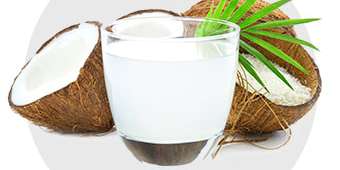
When first extracted from a young, green coconut, coconut water offers the appearance of a transparent, plasma-like liquid. During processing, the pulp in the water contributes to a haziness that may eventually settle into sediment. The longer the water is exposed to the air, the more likely it is to affect the enzyme polyphenol oxidase (PPO). This enzyme is present in a range of fruits, including apples and avocados, and is responsible for the browning and discoloration that occurs with oxidation.
In coconut water, PPO changes the colour from a pale yellow or white to pink. While pink coconut water is not dangerous to drink, it can discourage consumers from buying the beverage. When shoppers expect their coconut water to look a certain way, too much variance can drive them away from your products and into the arms of your competitors. To prevent this, many manufacturers have begun to utilize specialty practices and technology aimed at preserving the liquid's original appearance.
Minimizing Colour Changes in Coconut Water Processing
According to a scientific study published by Food Science & Nutrition, the proper processing of coconut water can delay or even prevent discoloration for some time. The study indicated that high-pressure processing was superior to high-temperature short time treatment in preserving the water's original aromas, flavors, and colours.
When considering coloration changes in coconut water, manufacturers should also evaluate the effect of turbidity or haze on their product's appearance. A certain level of haze is expected in coconut water, but an excess of sediment in the drink can give it an opaque appearance, emphasizing the colour of the overall product. A quality spectrophotometer is necessary to monitor turbidity and colour levels and ensure a consistent appearance upon distribution.