Produce Shortening Colour Consistency
The key to quality lies in shortening colour consistency — no matter which product they pull from the shelf, customers will always expect shortening to look the same. Here are some of the top tips for making sure your shortening is up to colour quality standards.
Match the Standard White Colour
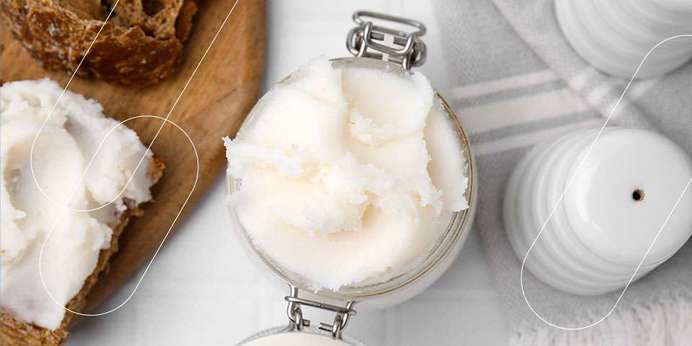
Shortening is made from various oils and is white in colour. This pure white colour — along with shortening's odorless quality — is collectively understood as fresh.
When shortening spoils, it will turn from milky white to yellow and only get darker as it ages. It will also have a musky odor. Maintaining a pure white colour throughout the production process will prevent a fresh product from being misidentified as spoiled.
Add a Glossy Finish
Because it is created from oils, shortening will have a glossy finish, contributing to its overall colour. This gloss is often desired in icing or other decorative aspects of bakery items.
Create a Soft Appearance
Many people can tell if shortening is good or bad based on its texture and overall appearance. In addition to its white glossy colour, shortening appears soft, like a stick of butter. When it starts to go bad, it will harden. Creating the desired smooth appearance will help customers recognize its freshness.
Measure Trustworthy Products With the Agera Spectrophotometer
Making products in the food sector requires colour quality control for industry standards and safety. With the Agera spectrophotometer, you can meet customers' visual perceptions of shortening.
Agera is an all-in-one solution for measuring the colour of shortening, due to its:
- Circumferential geometry data that replicates human vision.
- Simultaneous colour, fluorescence, and gloss measurements.
- Various port plates to measure a range of sample sizes.
- Easy-to-use touchscreen with a modern user interface.