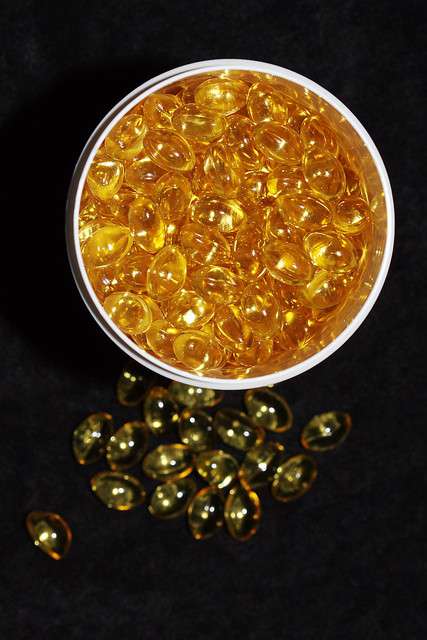
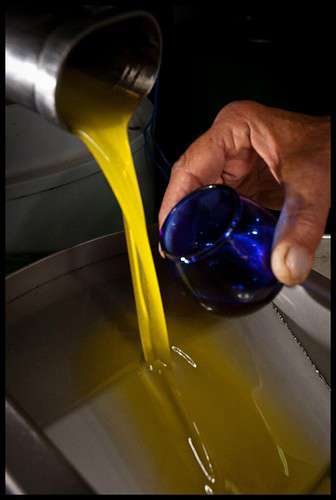
The colour scale of edible oils may not seem like an important factor in the quality of oil products. In truth, consumers rarely notice the colour of the edible oils they are using, until that colour scale starts to show variations. Even slight changes in colour indicate to consumers that something is not right with their product or that the quality has changed, even if the integrity of the oil remains the same. Colour is a huge factor in consumer opinion and choice, and maintaining an even colour scale in the production of edible oils is an important step in process monitoring and quality control.
Read  Beer Colour Analysis: Setting the Standards for Quality Using Spectrophotometric Technology

The Role of Colour Measurement in Edible Oil Production

Colour measurement goes far beyond the aesthetic results of the final oil product. In order to achieve desired results, consistent monitoring of colour scale changes from the beginning to ending stages of production is highly beneficial. From the start, when monitoring the pigmentation levels of crude seeds, spectrophotometric data can be used to show signs of unexpectedly high levels of pigmentation due to unfavorable growing conditions. This data can alert production teams in advance to potential problems that may require additional bleaching or blending methods which are often costly and time-consuming. In addition to early detection, continuous colour scale monitoring can help determine necessary changes that should be made throughout processing in order to ensure a desired colour outcome. According to the AOCS (American Oil Chemists’ Society), “Obtaining colour data regularly on oil suspected to be unstable would indicate its condition and help to avoid making incorrect decisions regarding blending.”

5419124619_f339b7e324_z.jpg

What Is a Colour Scale?

When measuring oil colour, the chemical compounds that are present in the sample often exhibit specific colour attributes. These differences can easily be detected with spectrophotometers using a colour scale that bases its measurements on both visible and ultraviolet (UV) spectroscopy. A colour scale for specific compounds such as chlorophyll will be in the green colour range on the colour scale and can be used to indicate final colour outcome. Chlorophyll detection in oils through UV spectrophotometry has also been linked to measuring and quantifying this compound in relation to the antioxidant health benefits that it provides. This information is valuable for the proper labeling and promotion of these health claims and can increase the value of the product.

INFO  Get More Information
6469863455_6f0c7cd45c.jpg

Making the Right Choice in Spectrophotometric Technology | Facilitate Accurate Edible Oils Colour Measurement With Solutions From HunterLab

At HunterLab, our in-depth understanding of the role of colour measurement in food markets has enabled us to create spectrophotometers that meet the demands in the industry. Edible oils production teams can turn to the HunterLab Vista as the only instrument capable of providing colour measurement and haze percentage simultaneously. This industry-leading solution comes with HunterLab support to give operations the best results when measuring edible oils.

Explore our products, and contact the HunterLab team to learn more about our spectrophotometers.