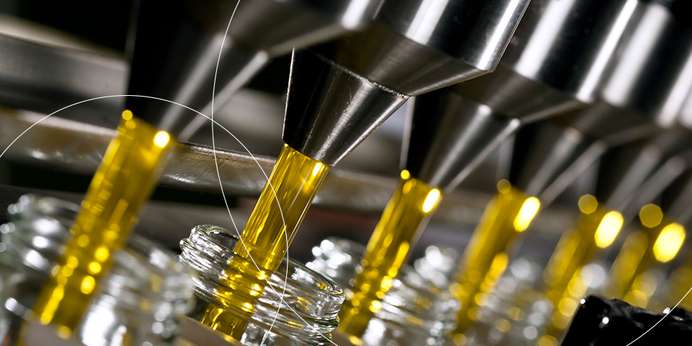
Vegetable oils such as olive oil and peanut oil must meet consumers' visual expectations with consistent coloring. Vegetable oil manufacturers can please customers and increase profits with colour measurement solutions like spectrophotometers.

Vegetable oils such as olive oil and peanut oil must meet consumers' visual expectations with consistent coloring. Vegetable oil manufacturers can please customers and increase profits with colour measurement solutions like spectrophotometers.
Colour and appearance consistency matters when it comes to vegetable oil. Vegetable oil is graded to a level of refinement by comparing the colour of the oil against a reference. Oil that does not meet the colour standard may appear low quality, and consumers will likely not purchase it.
The importance of colour and appearance consistency to oil manufacturers cannot be emphasized enough. Both are critical factors consumers use when deciding which oils to purchase. Colour and appearance indicate flavor, freshness and likelihood of spoilage. Consumers expect their vegetable oil to have a certain hue. If the colour doesn't match their expectation, the consumer may perceive the taste as being incorrect or the freshness compromised, even if the oil is safe and fresh.
Vegetable oil gets its colour from the plant material and fruits used to make it. For example, vegetable oil is made from crushing dried soybeans, olive oil comes from pressing ripened olives, and peanut oil is made from expelling the oil from roasted peanuts. As a result, these oils have different colours.
Besides the ingredients, other factors influence the colour consistency of vegetable oil. When improperly stored, vegetable oil is exposed to light, heat, and oxygen. Oxidation in vegetable oil causes its carotenoids and chlorophyll to dissipate, resulting in a colour change. This exposure can also affect the oil's scent and taste.
For instance, when olive oil is exposed to light, it can turn red-orange, smell like peanuts, and taste like pumpkins. Many vegetable oil manufacturers store olive oil in dark glass or plastic bottles to prevent these changes.
Spectrophotometers can be used to measure vegetable oil colour and turbidity throughout the entire production process to improve and maintain colour and appearance consistency. As a result, vegetable oil manufacturers can meet food quality standards from the FDA and customers' expectations.
The HunterLab Vista spectrophotometer has the features necessary to assess edible oil colour. It can measure the colour of samples in vials and cuvettes with extreme accuracy and record transmission colour and haze in one measurement.
HunterLab has worked with thousands of vegetable oil manufacturers to find the ideal colour measurement solution for their applications. We understand the importance of colour accuracy and have the solutions to achieve it.
Measure the colour of your vegetable oil with colour spectrophotometers from HunterLab. Browse our spectrophotometers for vegetable oil online and contact us today for more information.

HunterLab goes beyond color, delivering precise, science-backed solutions that help industries achieve superior quality and appearance control. As a global leader in spectrophotometry, we empower businesses to reduce waste, improve efficiency, and enhance product consistency—directly impacting the bottom line. By combining innovation, real-world expertise, and sustainable measurement solutions, we help manufacturers optimize production, minimize material loss, and meet the highest industry standards. Follow us on LinkedIn