
Statistics and averages may not be a part your typical dinner conversation, but these concepts play a big part in the appearance of many of the foods we eat, as well as other household products and goods. Many food items, such as baked goods, fruits, and vegetables exhibit colour variations in product development and processing. Colour variations are also commonplace in household materials such as laminate wood flooring, textured or patterned carpeting, and other various building materials. Trying to create visual colour consistencies in these types of products can present a real challenge, but finding average sample measurements with spectrophotometric analysis allows for colour stability and consistency between batches and across various manufacturing locations.

5331364451_0b0ab9bb59_z.jpg

The appearance of baked goods can vary greatly between batches. Finding an average colour reading can help manage consistencies and ensure cohesiveness between various manufacturing plants. Image Source: Flickr user Rebecca Siegel
Read  Temperature Effects on Colour Measurement: Maintaining Accuracy in Extreme Conditions

Creating an average for product consistency and quality

Creating an average for colour measurement in your product requires multiple readings that are calculated together to account for colour variations. The best way to achieve accurate results is by choosing instrumentation that has a large sample viewing area and measures colour the same way as it is seen by the human eye. Using human-eye technology and multiple readings, a colour average can be determined and then quantified using the spectral data to allow for repeatability within the production process and between processing plants. This is highly beneficial when production occurs throughout various parts of the country or in other regions around the world. Using the same instrumentation for colour measurement and setting the standards for colour variations leads to product consistency and quality, no matter where the product is developed.

5069559655_af45a94d82_z.jpg

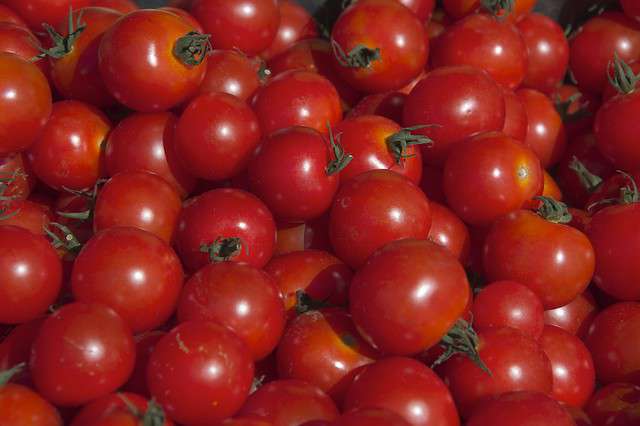
Colour variations in products like tomatoes can make consistency in these products difficult. Finding the right formulation for a colour average ensures product consistency and quality. Image Source: Flickr user Seamus Murray

INFO  Get More Information

Using Spectrophotometric Technology 

Obtaining accurate colour averages for products with colour variations requires the use of advanced spectrophotometers. Choosing the right instrumentation is an important factor in producing quality products with consistent results. Thanks to advancements in spectrophotometric analysis and technology, modern instrumentation options allow for portability and come with a variety of viewing options specifically intended for various sample types, such as powdered or liquid, and transparent, translucent, or opaque. Spherical technology also accounts for colour variations due to texture and the haze values that may interfere with standard colour analysis.

5039611572_a62e0fcf11_z.jpg

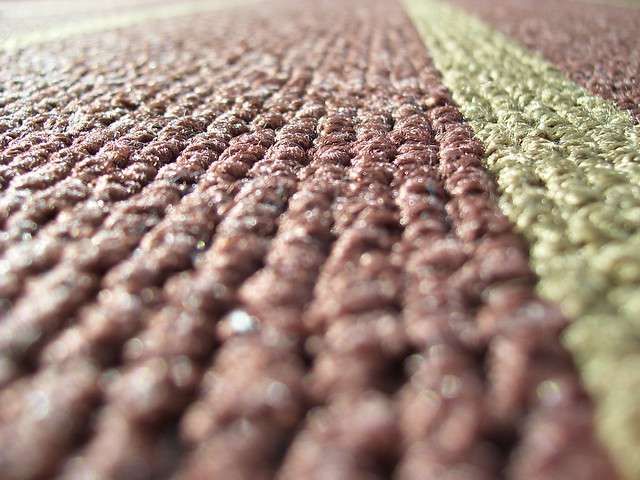
Texture and colour variations make sample averaging a necessity for product consistency and quality. Spectrophotometers measure both texture and appearance changes that may be affected by surface differences. Image Source: Flickr user “Al” the Albino Fox

The ability to view these sample types effectively requires the right geometric design elements and proper viewing angles. These measurements are catered to specific industry and product needs and are often required to meet the regulatory standards of the ASTM (American Society for Testing Materials), the FDA (Food and Drug Administration), the USDA (United States Department of Agriculture), or the EPA (Environmental Protection Agency).

In addition to meeting regulatory standards, spectrophotometers also aid in the detection of processing errors using real-time monitoring techniques. Benchtop, hand-held, and on-line spectrophotometers are all effective in catching colour variations at their source and allowing for proper adjustments during the processing phases, which can increase efficiency and lower operational costs. When changes are made during this phase of processing, fewer products are wasted due to errors and regulation standards can be achieved more consistently.

The right instrumentation for colour variations

There are many choices in spectrophotometers today, but at HunterLab we offer the most advanced technology along with the personal attention to details which we base specifically on our customers’ needs. Our products are uniquely designed for adaptability in order to meet the variety of industrial applications, and our customer support team is here to address any challenges or concerns you may face. Contact HunterLab today to learn more about our commitment to spectrophotometric analysis and technology and let us help you find the right solution for all your colour measurement needs.