
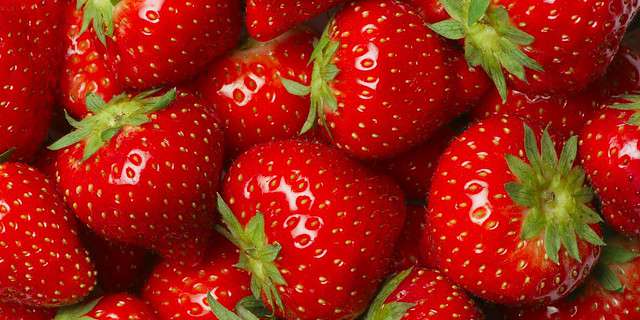
Determining ripeness of a fruit through colour is usually the first factor that consumers consider when purchasing fresh produce. Colour says a lot about a product, and measuring colour as it is seen by the human eye is necessary to create consistency from field, to warehouse, to produce aisle. Colour classification of both pre- and post- harvest fruits using spectrophotometric analysis can provide valuable information that fruit producers can use to speed up processing and increase quality and consumer satisfaction.
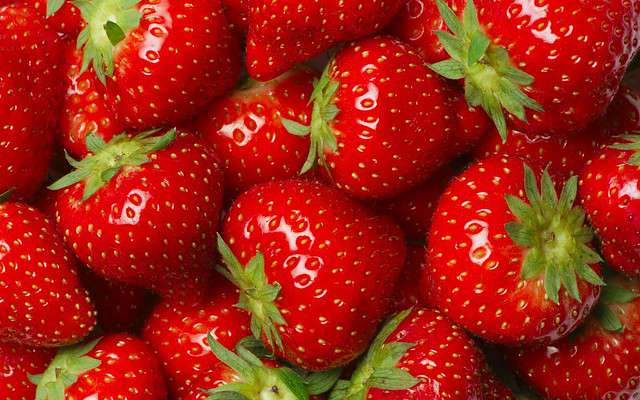
16022182499_a75d29c44b_z.jpg

Colour is the first factor consumers consider when selecting fresh produce. Image Source: Flickr user USDAgov

The ability to measure specific attributes of ripeness through colour classification can dictate appropriate ripening and storage conditions, which allow fruit producers to ship products that will peak in ripeness at the optimal time. These qualities are essential for maximizing shelf-life and increasing sales.
Read  Beer Colour Analysis: Setting the Standards for Quality Using Spectrophotometric Technology

Non-destructive methods of analysis

Many studies have been conducted to compare destructive methods of analysis with spectrophotometric analysis. Findings show that spectrophotometric analysis can quantify data that directly correlates with the sugar content of the fruit, allowing for proper pre- and post- harvesting conditions. Spectrophotometers can measure these attributes using non-destructive methods and are both durable and portable enough to withstand field analysis methods. This data can then be used to set up a colour classification system prior to warehouse shipment, saving both time and resources along the way.

In fruits such as kiwis, external colour is not always the best indicator for ripeness. Spectrophotometric analysis can “see” the internal properties of the fruit and provide valuable data both pre- and post- harvest. Image Source: Flickr user Swallowtail Garden Seeds

Spectral analysis works by measuring the transmittance of light as it enters the fruit and interacts with the flesh within. The information provided is invaluable for developing a colour classification system, plus this method is extremely efficient and reliable. The process even allows for direct colour monitoring of fruits on the tree or vine, and can help determine prime harvesting conditions.

INFO  Get More Information

Using the most effective colour measurement system

When measuring colour using spectral analysis, it is important to understand the differences in colour values and instrumentation. Spectral data is determined by measuring the distance in colour spaces in order to quantify an exact colour reference. Non-uniform colour measurement systems are dependent on the specific positions of colours in space and can appear differently based on human perception. However, “uniform spaces like CIELAB or Hunter L,a,b define distances that produce the same differences in perception regardless of the position of the colours, and for this reason they are very well suited for colour comparison.”

2857039568_4ab8bfb113_z.jpg

Being able to measure fruits directly from the tree or vine can ensure that proper harvesting times are achieved so that fruits can maintain quality and freshness all the way to the produce market. Image Source: Flickr user Damian Gadal

Instrumental analysis can quickly and accurately quantify data and remove the subjectivity of human perception. This is extremely important for creating consistency and cohesiveness in post-harvest batches, as well as measuring the overall uniformity of colour. Fruits such as peaches, mangos, and apples often have a secondary colour present. Spectrophotometric analysis can help determine a colour average to help maintain the consistency of these products.

Spectrophotometric instrumentation                           

Advanced spectrophotometry offers the most state-of-the-art technology for establishing a colour classification system. These durable and portable tools are specifically calibrated to provide specific data according to each individual product need. HunterLab is a leading innovator in colour technology and has many years of experience working with agricultural industries and researchers. We have developed a system that uses high-quality instrumentation that is uniquely adaptable to individual needs. Our support staff works to help our clients utilize their colour measurement tools to their full potential. For more information on establishing a colour classification system or using spectrophotometry in your business, contact HunterLab today.