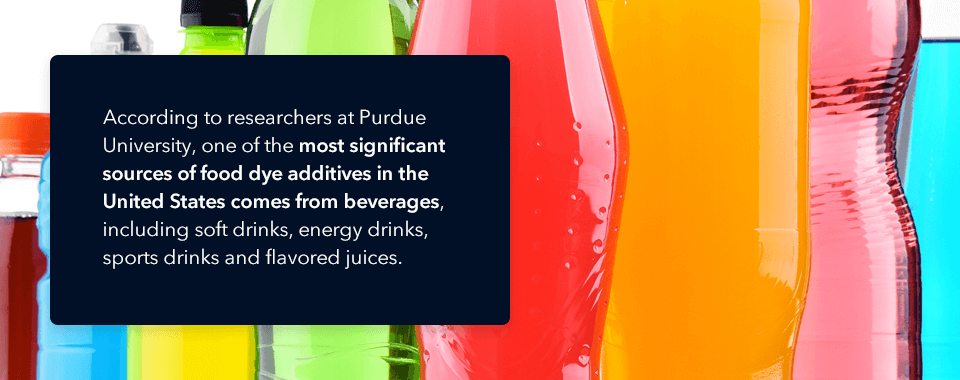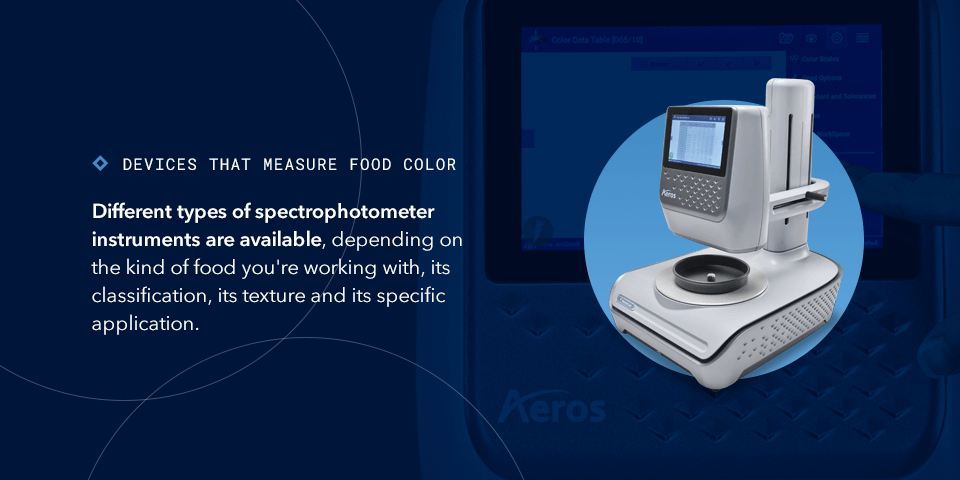
In the past 100 years, the amount of food coloring used in food has increased drastically. This shift is due in part to manufacturers’ growing emphasis on making food look more appealing, last longer and attract as many consumers as possible. The U.S. Food and Drug Administration (FDA) imposes strict regulations and standards for the approval of artificial food dyes and how food producers and manufacturers are permitted to use those dyes in their products. Learn more about food colour standards established by the FDA, including what technology your business can use to operate within regulation.
What Is Food Coloring?
Food coloring and food dyes are chemical substances used to alter or enhance the appearance of a food product. Three colour additives make up 90% of all used food dye — Red 40, Yellow 5 and Yellow 6.
Using colour additives or dyes is not a new technology. Natural food colours were used to colour wine as early as 300 B.C. Early dye experimentation included naturally occurring colour found in some spices and metal oxides, like saffron and copper sulfate.
The first synthetic organic dye — called mauve — was discovered in 1856. Mauve was the first of many discovered synthetic dyes produced via coal processing, earning them the title “coal-tar colours.” Federal regulation of colour additives began a few decades later, in the 1880s.
What Is Food Coloring Made Of?
Artificial food coloring is derived from petroleum. There are three possible classifications for a food dye:
- Straight colours: Straight colours are free from most impurities and have not been mixed or chemically altered with other substances.
- Lakes: Lakes are the product of a chemical reaction that takes place after combining a straight colour with precipitants or substrata of things like alumina, titanium dioxide and zinc.
- Mixtures: Mixtures are made by combining a colour additive with another colour additive or a non-colored diluent, which produces no chemical reaction.