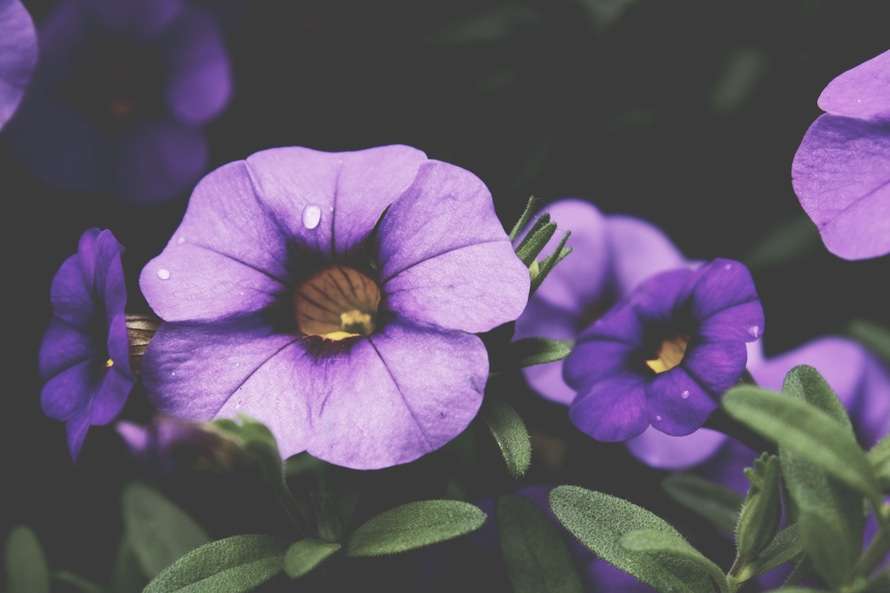

The diverse histories of colour deeply impact our associations with particular hues and are critical to understanding colour psychology. Image Source: Unsplash user Mari Pi
The power of colour is undeniable. Because we are inherently visual creatures, colour acts as a language that shapes our understanding of the world around us and deeply impacts our experiences, choices, and emotional responses. When it comes to commerce, research shows us again and again that colour profoundly affects consumer perception of products and guides purchasing decisions. Whether working with pharmaceutical products, food packaging, textiles, or plastics, selecting colour schemes that complement your product, fortify brand identity, and speak to customers is essential to ensuring success. But colour preference is not arbitrary; complex cultural histories, mythologies, and symbolism inform our perception of colour and create a system of chromatic signifiers. By understanding the associations we have with specific hues, product designers can use colour psychology to tap into consumer desires and create colour strategies that optimize appeal.

Red roses have served as a symbol of romantic love and passion since ancient times. Image Source: Pexels user stock.tookapic.com