
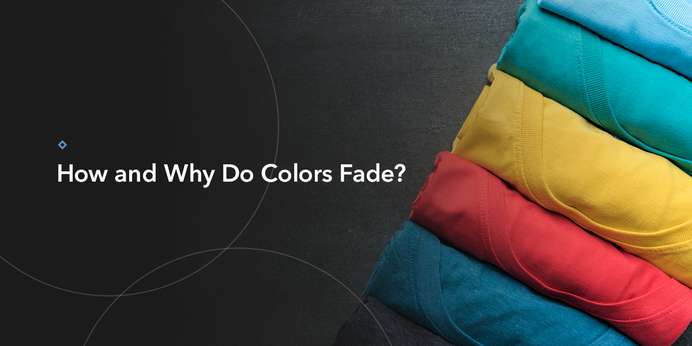
Colour fading is part of our everyday lives, from the pigment in our skin to the colour of our clothes to the hues in plant leaves. Many factors cause a specific colour to fade, including the type of fiber or material and its exposure to certain elements. When people consider colour fading, garment fading typically jumps to the top of the list because it’s often controllable or avoidable entirely.

What Is Garment Colour Fading?

Colour fading occurs in garments when the material’s pigment loses attraction to the actual garment. Clothing manufacturers use pigments and dyes to create a garment’s colour. The dying procedure involves a chemical process where the dye becomes part of the fabric.

Pigmenting is a process that involves applying a layer of colour over a fabric’s strands. When manufacturing clothing, pigmenting is the most common method of coloring material. While colour fading can occur in either dyed or pigmented garments, it’s most likely to happen with pigmented products.

Read  Temperature Effects on Colour Measurement: Maintaining Accuracy in Extreme Conditions
02-What-causes-colors-to-fade.jpg

What Causes Colours to Fade?

Colour fading happens because of various reasons. One of the primary causes of colour fading is bleaching. While many people associate bleaching with the liquid product they buy at stores, it can occur naturally from the sun or repeated exposure to other potent chemicals.

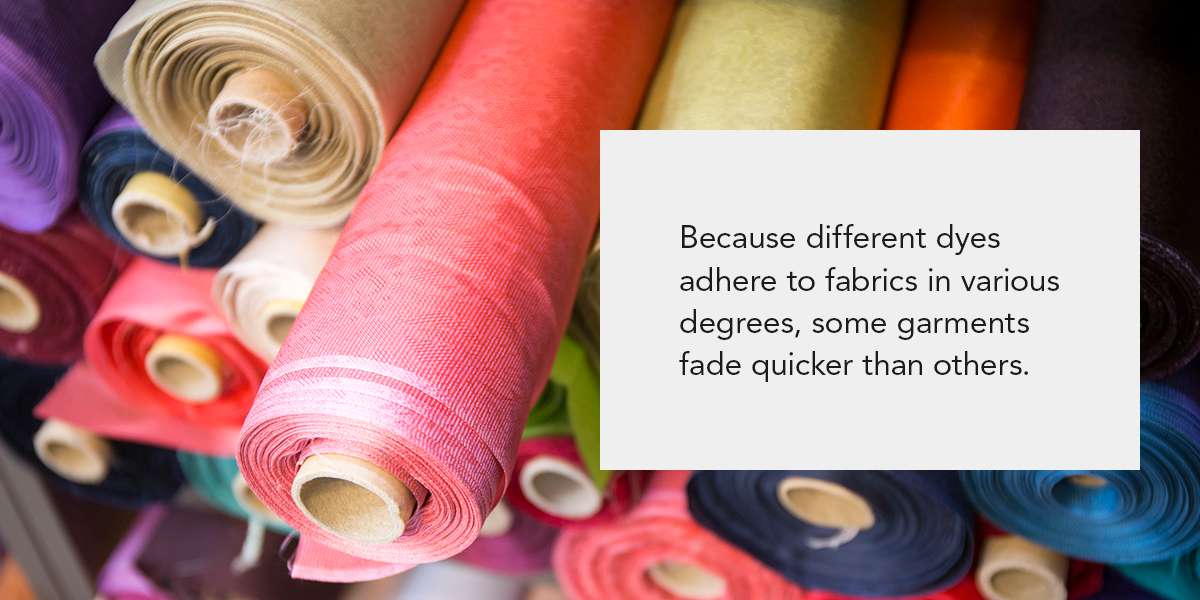
Because different dyes adhere to fabrics in various degrees, some garments fade quicker than others. Additionally, darker colours frequently seem to fade fast because they fall deeper into the colour spectrum. Materials treated with water repellant or other preservative chemicals can hold their colours much longer.

Colour fading can also occur from using excessively hot water for laundry and not following the recommended guidelines for product care.

How to Prevent Colour Fading in Garments

With proper care, you can avoid some of the most common mistakes that cause colour fading, especially with newer garments. Examples of the most popular practices include:

  1. Using the water temperature recommended on the care label.
  2. Utilizing the appropriate type of soap or detergent.
  3. Hand-washing items that specify non-machine laundering.
  4. Using a dry cleaning service when the label specifies it.
  5. Curing a fabric before washing it for the first time.

Because the agitation's friction, the detergent's potency and the drying process all contribute to colour fading, washing your clothes as infrequently and gently as possible can be highly beneficial.

INFO  Get More Information

Connect With the Professionals at HunterLab

To learn more about colour properties and why many objects fade, contact the professionals at HunterLab today. Please also explore our extensive blog posts for more stories about science and colour.