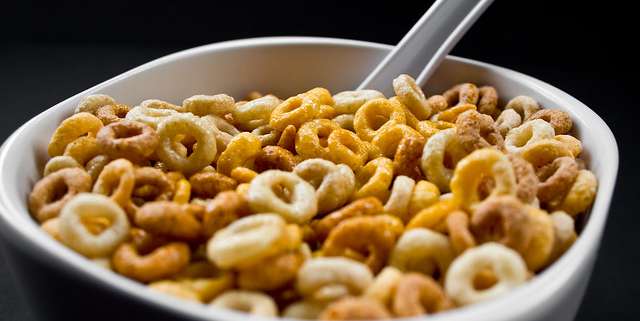
Anyone who’s ever been to the grocery store with children knows the challenges of shopping with the kids, especially when it comes to the many choices in the cereal aisle. Cereal is a staple food item in many households around the world, but my kids know the criteria I use when it comes to breakfast selections: whole grains and low sugar are key. Even when seeking a healthy alternative to the brightly colored sugary options, colour still plays and important role in consumer choice. The United States Department of Agriculture (USDA) has created a colour class measurement system for grain products to aid in classification and production processes.
1350549141_5f618358e4_z.jpg

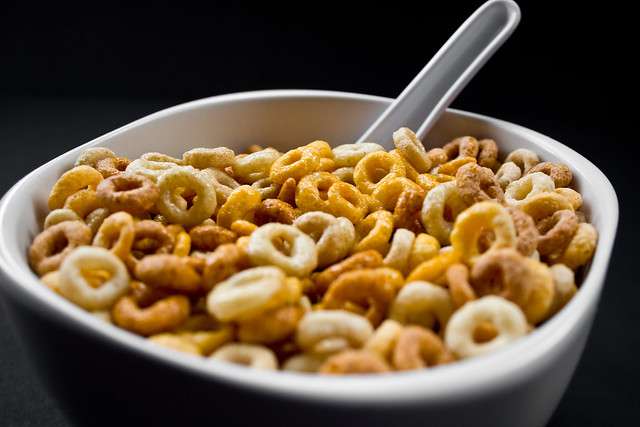
Cereal is one of the largest grain products on the market and manufacturers rely on colour measurement for product quality and colour consistency. Image Source: Flickr user Christian Cable

Grains make up a large portion of the foods we eat. Cereals, breads, pastas, and baking products all come in a variety of grain choices that rely on accurate colour class analysis. From processing to final product colour measurement, using spectrophotometers helps manufacturers determine colour class for grain sorting, shelf colour monitoring, and colour consistencies.
Read  Beer Colour Analysis: Setting the Standards for Quality Using Spectrophotometric Technology

Colour variations in grain product

Many factors can influence grain colour, making colour class analysis difficult for visual determination. Growing conditions, genetics, and kernel characteristics can all affect grain colour and make differentiation difficult for the human eye alone. Segregating grains by colour is commonly used in the proper determination for end-use products. Grains, such as wheat, are dependent on colour class differentiation for classification purposes, developing consistencies in finished products, and maintaining shelf-life colour control.

8455840761_afb509fca0_z.jpg

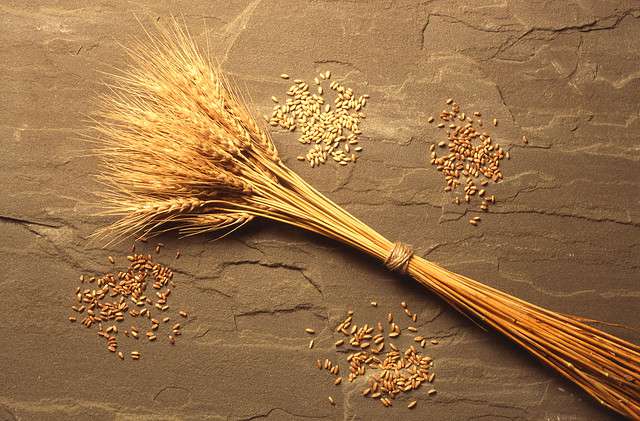
Wheat colour can differ greatly based on many various conditions and colour analysis is necessary for differentiating grains for specific purpose and usages. Image Source: Flickr user U.S. Department of Agriculture

INFO  Get More Information

The importance of colour differentiation

Visual differentiation to determine colour class is still used, but often requires chemicals that can damage the product sample and may be hazardous to human health. Spectrophotometers provide a simple and non-destructive way to measure colour class, and provide highly objective and quantifiable results. Colour class is also used to differentiate hazardous grain products that may be scab-infested or contaminated with other toxins, such as fungi. Spectrophotometers offer easy to use and portable instrumentation for careful examination and preventative measures.

Colour measurement of grains through spectrophotometric analysis can also be used to quantify protein content, starch, moisture content, in addition to the concentration of possible contaminants. They provide a versatile tool for determining many grain properties, but its most common use is for product quality and consistency in marketable food products. Precise colour measurement allows for batch consistencies in raw grain products and quality control in baked and/or processed goods as well.

Instrumental colour measurement

Spectrophotometers are hands-down the most versatile tool for colour class measurement of grain products. Instrumental colour measurement is a much simpler and more straightforward alternative to visual analysis and can provide objective and quantifiable results. Colour class analysis is best achieved using a colorimetric spectrophotometer which is designed to measure the entire spectrum of light. Light is then reflected from the sample and measured using human eye technology that gives precise colour variation outputs. These outputs are then used to identify differentiations and ensure product colour consistency.

8423870747_7220fbdc79_z.jpg

Spectrophotometers can be used to measure raw grain materials or processed food products for colour variations or to ensure colour consistencies. Image Source: Flickr user U.S. Department of Agriculture

HunterLab specializes in grain colour measurement and is a reliable name for colour class determination. We offer a variety of instrumentation that can be adapted for both large and small sample sizes, and smooth and coarse surface colour measurements. Trusted by many of the world’s leading grain producers, we have led the industry in colour measurement standardization and food colour evaluation. Contact HunterLab today to see why more companies choose our instruments for their colour measurement needs.