It is a sad reality that most of the manufactured food products on the market today include the word “artificial” somewhere on their packaging label. At some point in food production history, there was a collective decision to use imitation colour additives to enhance the flavor and appearance of our foods. However, consumers are now demanding more natural alternatives for food products. Although no clear evidence has revealed that there are any significant health repercussions associated with artificial food additives, the public continues to push for new regulations1 and more natural alternatives in the ways we develop and produce our foods. Although FDA regulations on food coloring have been in place for many years, these new trends in natural coloring are forcing manufacturers to develop alternatives that boast a more natural approach to healthy food production.

Following the Wave of Change

Food colour has a significant impact on consumer perception and choice. In fact, our preferred selection of flavors has more to with what we see than what we taste. Despite the rejection of artificial food colour additives, consumers still migrate toward bold colour options in many of their snack food and drink choices. Major manufacturers are keenly aware of this subliminal association between colour and marketability and have utilized colour assessment to monitor quality control for decades. Finding replacements for these potent artificial colour additives to which consumers have grown accustomed can create challenges in colour quality and control, but this is not stopping major manufacturers from jumping on board.
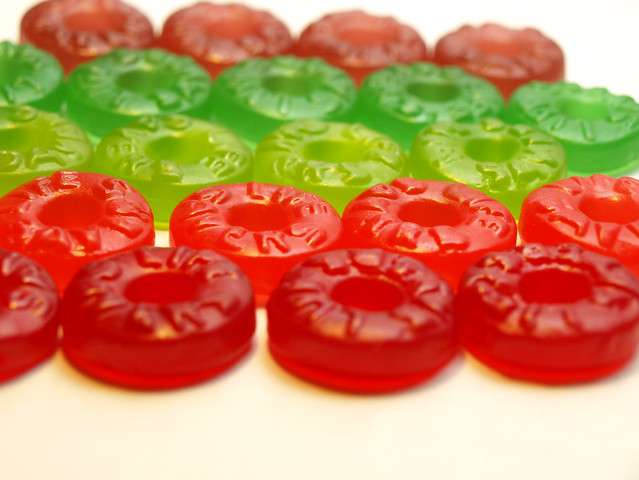
3186512846_ae9f605315_z.jpg

Leading industry manufacturers of snack foods, baked goods, and candy are all taking the initiative to transition towards more natural choices in food colour additives.Image Source: Flickr user flickr./com/photos/amanda_munoz

Read  Beer Colour Analysis: Setting the Standards for Quality Using Spectrophotometric Technology

The ban on artificial food additives began several years ago in the U.K, which prompted many U.S. companies to begin formulating new colour additives for major snack food brands. Large food corporations such as Kraft, Mars, Nestle, and General Mills are all making the shift from artificial and synthetic coloring to natural food colour additives.2

While the FDA considers all substances used to change the colour of food ‘additives,’ the colours in the hot seat are nine synthetic dyes derived from petroleum rather than plant-based materials.3 Although these additive choices are still deemed safe and acceptable according to FDA regulations on food coloring, the amount of foods consumed in the U.S. that contain these artificial substances far exceed the FDA recommendations. Since we are using the same products to fuel our bodies that we use to fuel our cars, it makes it easy to see why consumers are demanding more natural alternatives.

Finding a Solution for Natural Food Colour Challenges

Making the change from artificial to natural food colour additives is no easy feat. As new colour formulations arise, FDA approval is still required regardless of how the additive is derived. Instrumental analysis is not only important for meeting the FDA regulations on colour additives, but it is essential in ensuring that colour standards continue to meet consumer expectations. Although the push for natural colour additives stems from consumer demand, our expectations on food colour perception continue to drive marketability. Maintaining the colour intensity of our food choices without the use of synthetic dyes requires the use of instrumental analysis to meet consumer demands.

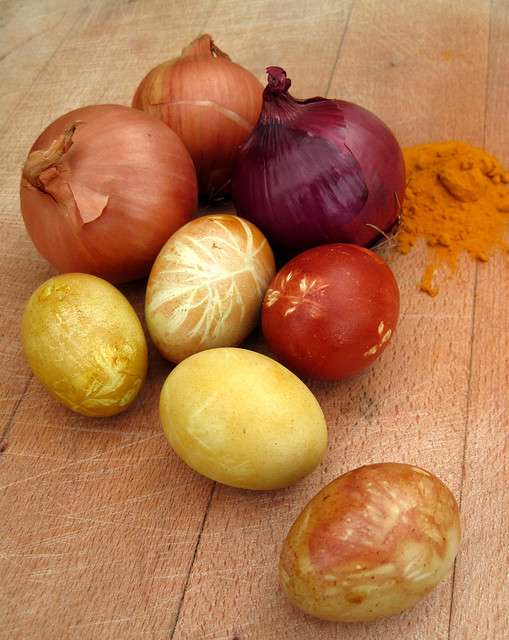
6904238650_1733a4b402_z.jpg

There are many natural choices in food colour additives; however, maintaining colour intensity can create challenges. Spectrophotometers help monitor the colour or both raw materials as well as process monitoring to achieve desired results. Image Source: Flickr user Somewhere in the world today…

Natural food colour additives include many plant-based products, which vary significantly in colour intensity. Maintaining colour consistency when using these natural alternatives often creates challenges in manufacturing and quality colour control. Spectrophotometers offer the best solution to monitor colour changes when converting raw materials into natural colour additives. As new formulations are developed, spectral technology can quantify results for consistent and repeatable figures throughout process monitoring. The versatility of this instrumentation makes it an important tool in the development and standardization of new natural colour additive choices.

INFO  Get More Information

Utilizing Colour Measurement for Alternative Options

Colour measurement instrumentation already plays an important role in food production and quality products. Many regulatory agencies promote the use of spectrophotometry to ensure safety and quality in our food products and the affordability and ease of use make these tools an essential part of food production and manufacturing. In order to make the most of your colour measurement instrumentation, it is important to understand the various options and how they pertain to each specific industry need. For example, baked goods often utilize caramel colour additives and require non-uniform sample measurement to achieve desired results. Non-contact measurement and specified colour measurement geometries can reduce errors and ensure uniformity from batch to batch. Beverage products also have unique measurement needs that pertain to liquid colour measurement, whereas solid food products require a completely different approach to accurate colour measurement.

5910187533_852795f6a4_z.jpg

Cereals and baked good rely on uniform colour and consistency for quality production. Non-contact colour measurement offers the ideal solution for non-uniform samples. Image Source: Flickr user frankieleon

Providing the right technology that also offers the support needed to utilize instrumentation to its full capability is what can set manufacturers apart from the competition. At HunterLab we offer the best of both worlds. Our expert staff has worked with many of the world’s leading snack and beverage producers to develop colour measurement instrumentation that is designed to meet the specific needs and challenges facing each industry. We offer unsurpassed customer service and support to help you make the most of your spectrophotometers. For more information on our product options or to learn more about the colour measurement of natural additives, please contact us today.