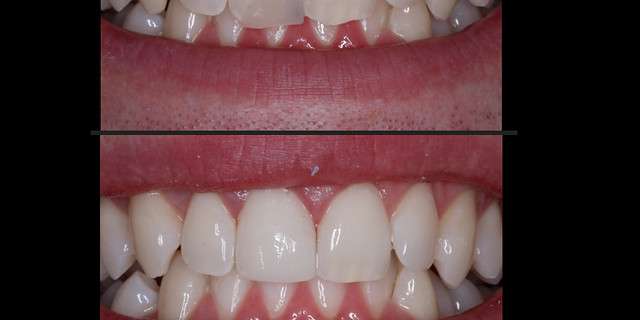
Colour change is a major concern when working with these composite resins and has become one of the major reasons for replacing restorations over time. Image Source: Flickr’ user Azure Dental

Last weekend we attended an epic barbeque, complete with food, drinks, and outdoor recreation which included a 100-foot giant slip n’ slide. Although the highlight of the afternoon was our group volleyball game of husbands vs. wives. I am happy to say that it was a fairly competitive game and we ended up two for two by the end of the evening. However, although I love playing volleyball, stepping out onto the court instantly brought back PTSD symptoms of my middle school years. Let just say that during my early playing days, the gym floor and I got a little too personal and met face to face. The floor won and I ended up with two little stubs of front teeth to show for it. The evidence is still visible today and each time I smile I am a little self-conscious of the colour difference between my natural teeth and the composite material. Apparently dental technology was not up to par 20 years ago and the colour stability of dental composite resin often deteriorated over time. Dental composites today are much more advanced and colour measurement technology ensures that tooth colour resins meet quality standards for appearance and longevity.
5649833220_6ae2c1b918_z.jpg

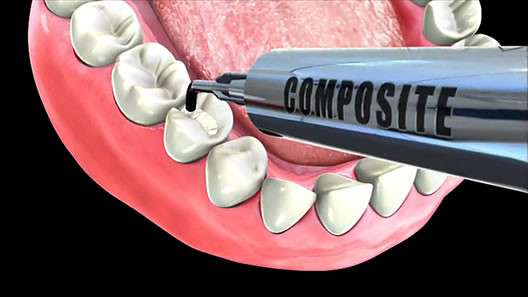
Composite resins must be carefully analyzed to ensure accurate colour matching, longevity, and stability. Image Source: Flickr’ user Ida Aguilar D.D.S.

Read  From Clear to Pure: Chemical and Colour Analysis in the Petrochemical Industry

Monitoring Colour Stability with Spectral Technology

Composite resins are commonly used restorative materials in esthetic dental procedures due to their superior ability to adhere to enamel and dentin. Unfortunately, colour change presents a major challenge when working with these materials and has become one of the major reasons for replacing restorations over time.”1. There are many factors that affect the colour stability of composite resins and these materials must be carefully analyzed to ensure accurate colour matching, longevity, and stability.

Portable spectrophotometers offer the advanced technology needed to monitor the colour stability of dental composite resin and are a commonly used tool in dental laboratories and offices. This instrumentation utilizes the CIELab system for classifying and correlating colour numerically, with the ability to calculate the difference between two colours using a standardize colour formulation. Measuring the reflection of the resin with an optical geometry of d/8º gives a spectral curve in the visible frequency range of 400-700nm2. By honing in on this detailed information, laboratory technicians can then modify their formulations to improve the colour matching and stability of their resins and use this data to monitor changes over time.

5940485120_5bcef77265_z.jpg

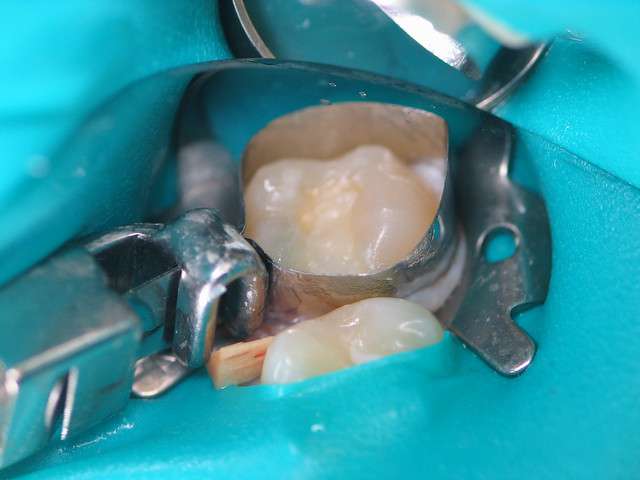
Spectrophotometers are important tools for colour matching and are used by both laboratory and dental technicians. Image Source: Flickr’ user The Tooth Station

INFO  Get More Information

Addressing Challenges of Colour-Matching

Colour matching is one of the most important characteristics of esthetic dental composite resins. However, colour matching of natural tooth enamel presents one of the greatest challenges in clinical dentistry. Exact colour matching and reproduction is critical in composite tooth restorations and requires quantifiable data. The human eye alone cannot consistently identify tooth colour and various light sources can alter the perception of tooth colour. In order to obtain objective colour measurements of natural tooth enamel and composite resin materials, spectrophotometric technology must be implemented both in the dental office and throughout laboratory processing.

Creating an accurate analysis of tooth colour requires multiple readings and data to create an average sample measurement. Averaging colour helps to ensure that a perfect enamel match is obtained and that the resin colour falls within the acceptable parameter. Because resins vary in consistency and thickness, using the right spectrophotometric techniques and creating an average sample reading makes accurate resin colour analysis simple. Spherical spectrophotometric technology accounts for variations in thickness and texture ensuring accurate colour measurement every time.

The Right Instrumentation for Quality

From the dental chair to the laboratory and back to the patient again, colour stability of dental composite resin requires advanced colour measurement tools for quality materials and happy clients. Using the same instrumentation throughout these processes ensures that data and colour matching remain consistent, reducing the chance of variations over time. HunterLab spectrophotometers utilize the latest colour measurement technology and provide satisfying results in dental resin colour analysis. Our instrumentation is easily calibrated to maintain agreement between the various stages of tooth restoration, and the unique design of our colour measurement tools allow for adaptability within this industry. To find out more about the HunterLab commitment to colour measurement and our unique customer support promise, contact us today.