Colour Measurement in Meat Production and Research
The chemical and physical traits of meat are highly regulated by the United States Department of Agriculture (USDA).1 Colour measurement instrumentation provides a wealth of information for muscle-based foods, which is why this method of inspection continues to increase in popularity. However, meat colour measurement guidelines provide only an outline for meat appraisal and adapting these methods to the specific needs of this industry is where the real challenge lies.
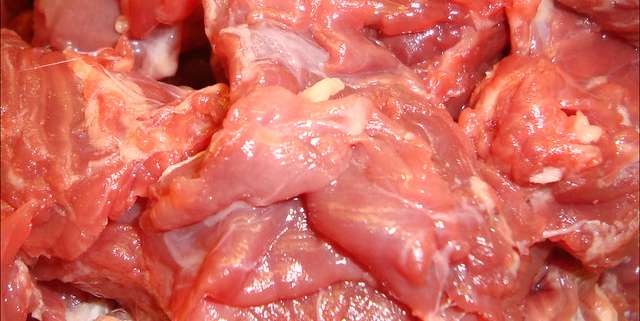
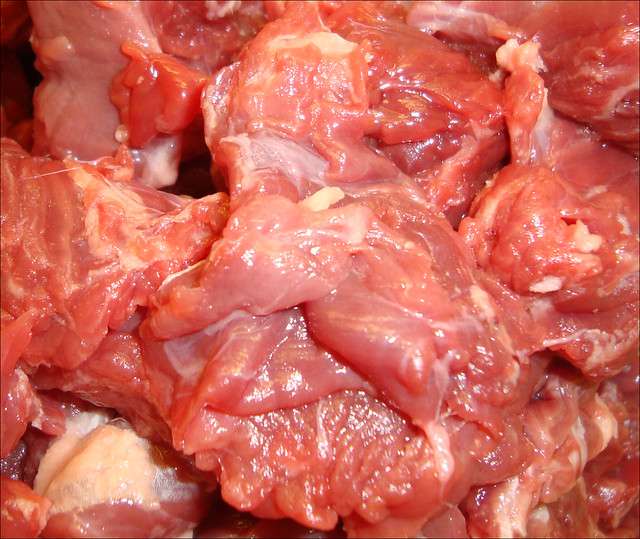
The desirable colour of uncooked meat is typically described in a range of pinks or reds, whereas discoloration values will range from brown, grey, green, or yellow. However, “brown colours are often difficult to measure instrumentally, and for meat, it is often easier to measure a lack of redness or other normal colour.”2 Understanding the capabilities of your instrumentation and setting instrument parameters to generate the most accurate data will ensure that regulatory standards are met and only the safest and highest quality meat products are produced.
Colour Uniformity and Stability
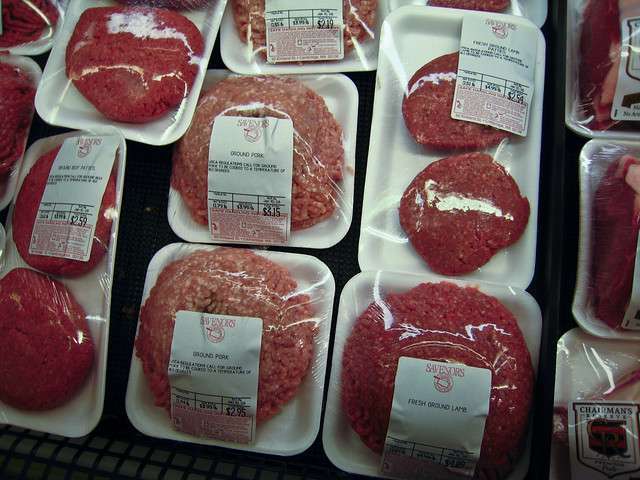
There are many factors that affect the colour of meats. From packaging to processing, developing a colour scale for uniformity can be difficult since these changes are often unpredictable. Various processing techniques are often designed to improve visual colour quality, but generally affect only the external colour of the meat. Meat stability regulations require the measurement of colour to be uniform throughout the meat sample for quality and safety. With so many acceptable variations in colour, it is important to follow an instrumental colour scale to achieve desirable results.