
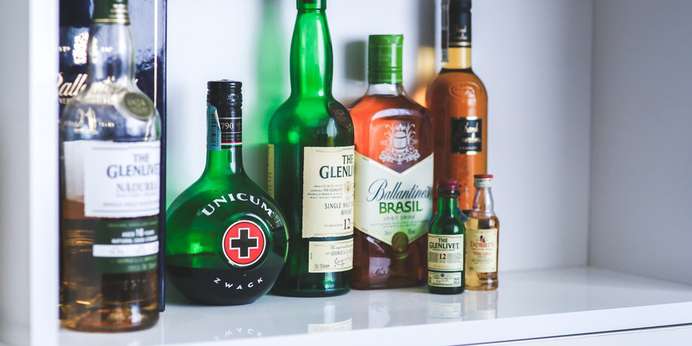
As interest in high end distilled spirits grows, spectrophotometric colour measurement is becoming more vital than ever to ensure quality.
Image Source: Pexels user Karolina Grabowska

For years, beer dominated the alcoholic beverage market in the United States, representing 56% of total market revenues in 1999. By 2014, however, that number had fallen to 47.8%, while distilled spirits, including whiskey, rum, vodka, and tequila, quickly moved up the ranks to capture an ever-growing proportion of revenues.1 This remarkable growth in revenue from the distilled spirits category is spurred largely by surging interest in high-end liquors, which account for 36.3% of total liquor volume and 32.8% of total liquor supplier gross revenues. Premium and super premium spirits are now the fastest growing alcoholic beverages in the United States, as consumers become more knowledgeable and discerning regarding their alcohol choices. Super-premium tequila volumes, for examples, have shot up an astounding 568% since 2002 while super-premium bourbon sales have tripled in the past decade.2

As noted in the Global Whiskey Market 2014-2018 report, consumers consider these high-end liquors “as an affordable luxury, which is driving manufacturers to launch more premium and super-premium offers to meet demand.”3 Even mainstream producers who have historically traded on affordability are now introducing higher end products to participate in the sea change. To compete within the premium market and meet the expectations of today’s sophisticated consumers, liquor producers are increasingly turning to spectrophotometric technologies to optimize quality and appeal.
cold-light-alcohol-glass-large.jpg

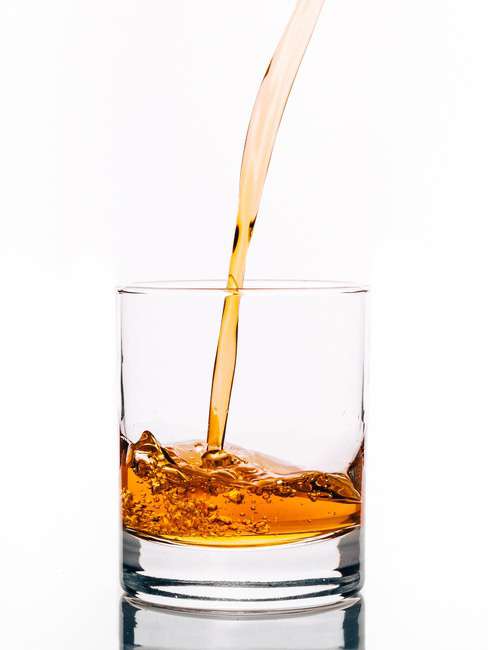
While many whiskeys derive their warm amber hues from barrel aging alone, others get help from colour additives to attain the perfect colour.
Image Source: Pexels user Paweł Kadysz
Read  Beer Colour Analysis: Setting the Standards for Quality Using Spectrophotometric Technology

The Critical Role of Colour

As consumer interest in premium spirits has grown, so too has consumers’ ability to evaluate product quality based on limited sensory information. One of the most important factors shaping consumer perception is the visual appearance of liquors, the primary focus of which is colour. For some spirits, such as vodka, the key to a satisfying aesthetic is perfect colorlessness, suggesting purity and refinement while allowing these products to be added to mixers without creating unwanted colour change. In fact, according to the Code of Federal Regulations, a lack of distinctive colour is one of the defining features of vodka.4

Other liquors are prized for their colour, such as golden glow of matured tequilas and the rich amber tones imparted by barrel aging of whiskeys and rums. In these spirits, colour is so vital that some manufacturers add caramel coloring to enhance appearance, suggesting greater quality, particular flavors, and increasing desirability. Meanwhile, both artisanal and mainstream distillers are introducing unexpected and unique liquor colours, such as white and bright yellow whiskeys, designed to capitalize on the surge of interest in high end liquors, appeal to consumers looking for novel products, and enable the creation of new mixed drinks at a time when cocktail culture is rapidly expanding.5

photo-1444728399417-08d2aa39e6f4.jpg
INFO  Get More Information

Spectrophotometric Colour Monitoring of Liquors

Regardless of the specific colour distillers seek to create, spectrophotometric analysis ensures adherence to your chosen colour standards by monitoring liquor colour and giving you the objective colour quality data to accurately evaluate your product. Spectrophotometric colour measurements can be made throughout the production process to obtain a complete picture of colour development over the course of manufacturing, allowing you to easily correlate chromatic information with process variables. Modern software packages, such as HunterLab’s EasyMatch QC, give you the ability to store and analyze critical process information to faciliate assessment and refinement of production processes while also allowing you to use standard or customized colour indexes to establish a cohesive colour system. Whether colour is derived naturally, from colour additives, or a combination of both, today’s sophisticated colorimetric technologies give you the ability to consistently create the perfect hue.

The value of spectrophotometers doesn’t end with the manufacturing process; these instruments can also be used to evaluate the impact of post-production variables, such as bottling and transportation, to help you develop effective strategies for preserving the colour of liquor. For example, researchers at liquor giant Bacardi found that bourbon stored in clear glass bottles lost 10% of its colour when exposed to UV light for 15 days while “scotch lost nearly that much in the first 24 hours, dropping 40 percent of its colour overall.”6 In contrast to clear bottles, amber bottles resulted in significantly less colour loss. Whether or not colour affects taste is up for debate, but what is undeniable is that it profoundly affects quality perception, appeal, and, ultimately, the commercial success of premium distilled spirits.

Versatile, Flexible Colour Measurement Solutions

HunterLab has been the most distinguished name in colour measurement for over 60 years. Our commitment to innovation and technological excellence has resulted in the development of a diverse range of portable, benchtop, and in-line spectrophotometers that give users the highest level of colour quality control and maximum flexibility for obtaining precise, accurate colour data. We recognize the tremendous impact colour can have on product success and brand reputation, which is why we offer the best colour measurement solutions for the alcoholic beverage industry. Contact us for more information about our spectrophotometric instruments, customizable software packages, and unmatched customer support services.