A key to achieving success in the fashion market is ensuring consistency throughout a line of clothing. A line of shirts has to have the same type of cut, quality, and colour to maintain the integrity of a brand.
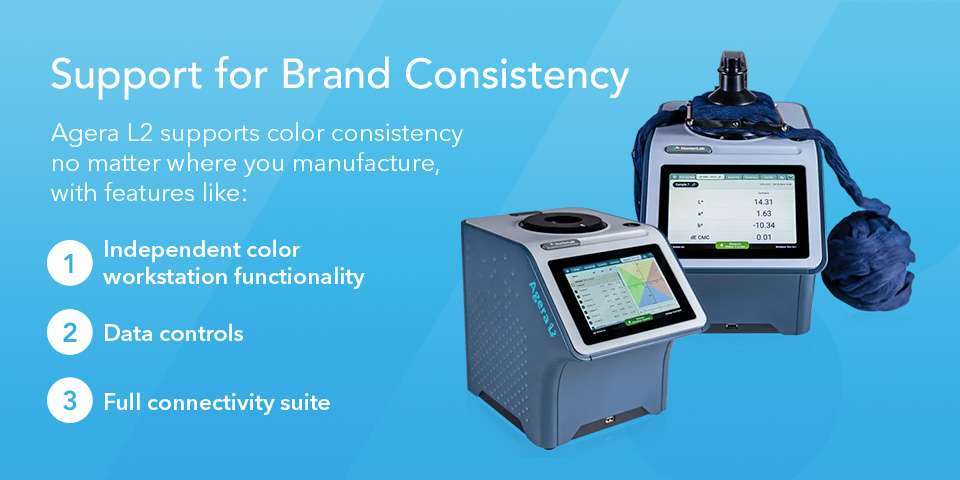
Because denim can be one of the toughest fabrics to work with, maintaining colour consistency from factory to factory for a particular brand of jeans is extremely difficult. Ensuring consistent colour measurement throughout a roll of denim requires a manufacturer to make use of precise measuring equipment, such as spectrophotometers/colorimeters.
Challenges of Dyeing Denim
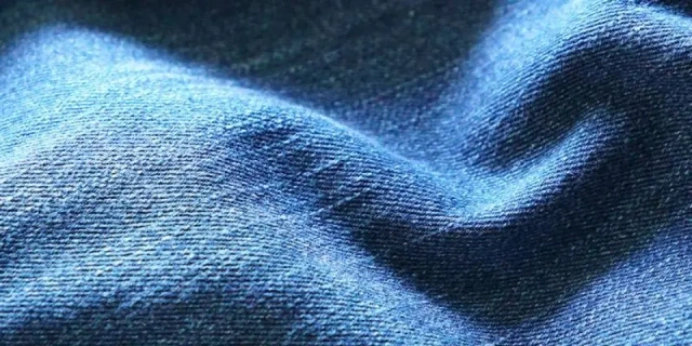
Denim can be a challenging fabric to use for clothing manufacturing for a variety of reasons. The weaving required to create a roll of denim fabric requires precise manufacturing work, but also provides the toughness denim is known to possess.
Those challenges carry over to dyeing denim, where the weaving pattern in the fabric can make it difficult to consistently spread the dye across the entire roll. A couple of options for dyeing denim are Indigo and sulfur dyeing.
- Indigo dyeing is commonly used in denim manufacturing, as few other dyes can match the desirable sky blue colour an Indigo dye can create. However, the Indigo dyeing process, if not performed correctly, can lead to undesirable fading after washing.
- A sulfur dye will typically be a lower-cost option for dyeing denim than Indigo, but the colour choices are a bit more limited. Most manufacturers will stick to a darker colour when using sulfur dyeing. Non-blue colours are common with sulfur dyeing too.
Nothing’s Better Than Faded Jeans
One of the best properties of denim is the way the fabric fades over time. The faded look can be even more desirable than the original dyed colour of the jeans.
For example, one reason why denim created in Japan is popular is because of the way it fades. Individual brands of Japanese denim are well known for the specific colours they produce after they fade, but those faded colours must be consistent over time to maintain the brand’s integrity.
To achieve a consistent fading process, the dye the manufacturer applies in the production phase must be consistent from fabric roll to fabric roll. A mistake in the original dyeing process will lead to a different faded colour than what’s intended, which can be a disaster for a manufacturer of fashion jeans. Therefore, finding a way to consistently ensure the colour of the denim dye process is important, which is where spectrophotometers/colorimeters enter the picture.