
Cooking for a crowd is definitely my forte, but choosing a good wine to accompany my dishes has always been a challenge. Fine wine connoisseurs know the difference between cheap wine and quality vino, but for most individuals, it is hard to tell just by looking at a label or a price tag. Taste, aroma, and appearance are all indicators of quality wines, but many producers use a wine colour additive or various chemicals to enhance the appearance and give a false perception of quality. Nearly all wine producers these days are turning to colour enhancement to promote quality and even alter the taste perception of their wines. Colour technology is a simple and effective tool for monitoring the integrity of wine and can reveal the hidden secrets of  using a wine colour additive to improve quality and increase the price.
12429334035_91cb638105_z.jpg

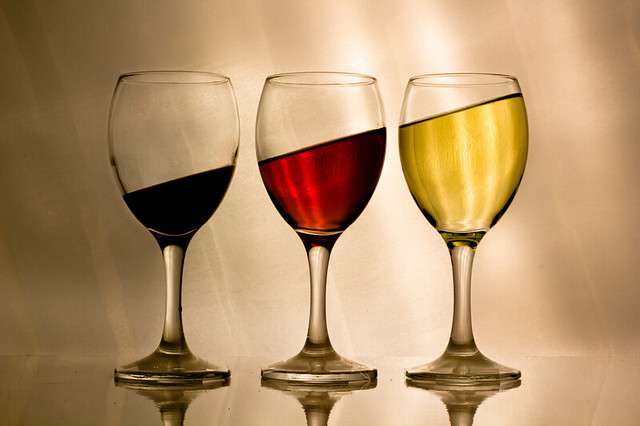
Wine colour greatly affects the quality and taste perception of fine wines. Spectrophotometers offer a simple and effective way to ensure desired results in final colour and quality. Image Source: Flickr user Kimery Davis

Read  From Clear to Pure: Chemical and Colour Analysis in the Petrochemical Industry

Mega Purple

Many bottles of wine at your local supermarket cost less than $10 per bottle. After factoring in the costs of both packaging and production, winemakers are resorting to low-quality grapes to mass-produce these cheap wines in order to make any profit at all. Although grapes are the backbone of the wine itself, reports show that “only a tiny amount is needed to fix an entire barrel, [and] Mega Purple is probably being added to over 25 million bottles of wine annually.”1 Because of the significant effect colour has on quality perception and taste, this process of using an artificial colour additive has had a substantial effect on increasing wine sales and improving the acceptability of low-cost alternatives. The fact is that most wine producers are aware of the benefits of using the additive Mega Purple to enhance the appearance and taste perception of their products and in truth, even the finest wineries utilize colour additive technology to maintain the desired effect of quality.

Grape quality has a significant impact on colour and taste. Using colour additives in wine production can improve both the colour and flavor or the wine when monitored carefully. Image Source: Flickr user velacreations

However, there is some controversy that surrounds the use of artificial colour additives in fine wine production. Though Mega Purple is known to improve both the texture and flavor of the wine itself, using too little or too much can significantly affect the final outcome.2 Finding just the right balance in colour and flavor requires a minimalistic approach to altering the hue using these types of additives. This is where colour measurement can lend a hand. Many top wineries already utilize spectral technology for laboratory wine analysis to monitor the fermentation process of top blends. These spectrophotometers are extremely versatile and are quickly becoming the preferred choice of analysis for both process monitoring and colour control.

INFO  Get More Information

Using Colour Analysis for Quality Control

Colour measurement instrumentation offers the ability to perform assays on various acids and residual reducing sugars that are detrimental to the final quality of wine.3 With the ability to provide real-time data, spectrophotometers offer the continual monitoring needed during wine production to allow for changes to be made throughout the fermentation process.

Once fermentation is perfected and the wine has reach maturity, spectral analysis can also be used to monitor the final colour outcome and assist in any necessary colour additive changes that may be needed. Because these additives significantly affect texture, tastes, aroma, and flavor, it is extremely important to monitor these aspects carefully. Setting colour standards and specifications ensure that only the necessary additives are used to achieve the desired colour. This helps wine producers maintain both colour consistency and quality throughout every stage of the process.

6071260514_c20a7dbe6d_z.jpg

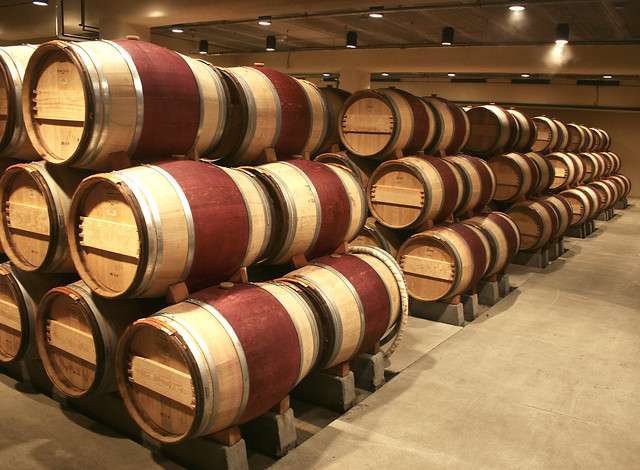
Spectral technology is used throughout wine production to ensure the best colour and quality outcomes. From fermentation monitoring to final colour and flavor, these tools offer the versatility need to stay competitive in this industry. Image Source: Flickr user Chris Lake

The Many Roles of Spectrophotometry in Winery Labs

Colour plays a major role in quality wine production, but in the end, it all comes down to the actual flavor of the wine. Though colour has a strong impact on taste perception, flavor is where the final quality assessment is made. Not only can spectral technology monitor both fermentation and colour changes, but these versatile tools even offer the ability to distinguish different phenolic components4, which are the main source of flavor and body in wines. UV-spectrophotometers accurately measure phenol levels and provide flavor outcome data without disrupting the integrity or composition of the wine itself.

Colour technology alone offers the versatility and non-destructive analysis needed to maintain both quality and consistency in wine production. In an industry where colour and flavor go hand in hand, choosing the right tools to monitor each stage of production is necessary for developing superior products. Setting the price of fine wines requires that each area of quality control be carefully monitored in order to ensure accurate results. Spectrophotometers offer the versatility needed in this industry and are available in a variety of options to meet any budget. At HunterLab, we work with wine analysts to perfect laboratory processes and develop instrumentation that is both reliable and easy to use. For more information on utilizing spectral technology in the wine industry, contact HunterLab today.