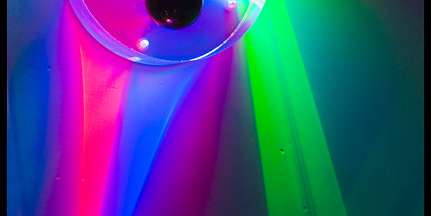
The angles at which light is reflected from the surface of an object will determine the perceived colour. Spectrophotometers are designed to account for changes in surface reflection based on the texture of the sample. Image Source: Flickr user Bob Turner

Our world is painted with a mix of colours that come in both natural and manufactured hues. Chances are nearly every item you can see at this moment has been carefully evaluated and tested to meet specific colour standards using spectral analysis. For decades, spectrophotometry has been developing to meet higher levels of precision, and applications of more advanced technology are continuing to expand. As these applications grow, instrumentation options continue to grow as well.

In order to choose the right tool for the right application, it is important to understand the difference between measuring the colour of a sample versus its appearance. Many factors affect the appearance of an object and can distort the perception of colour. Understanding the science behind spectrophotometry can help you choose the right instrumentation for each specific sample type.
Read  Temperature Effects on Colour Measurement: Maintaining Accuracy in Extreme Conditions

Looking at All the Angles

The human eye perceives colour when light is reflected from or absorbed by an object’s surface, and the angle at which the light strikes the object can change colour perception immensely. “When light strikes an opaque object, the total amount of reflected light is characterized as two distinctly different light reflections from the surface: specular reflection and diffuse reflection.”1

  • Specular Reflection—also perceived as “glare,” is caused by the texture of a sample. Glossy or shiny surfaces often exhibit high levels of specular reflectance. This causes light to bounce off an object’s surface at an angle opposite to the direction from which it came, forcing the viewer to shift their viewing angle in order to observe the colour.
  • Diffuse Reflection—is where actual colour is perceived. This is the point at which reflected light scatters (or diffuses) in many directions, and an object’s colour is defined.

Based on these scientific principles and the development of spectrophotometry, standardized methods for testing colour have been established through organizations such as American Society for Testing Materials (ASTM).

6931768056_a294842396_z.jpg

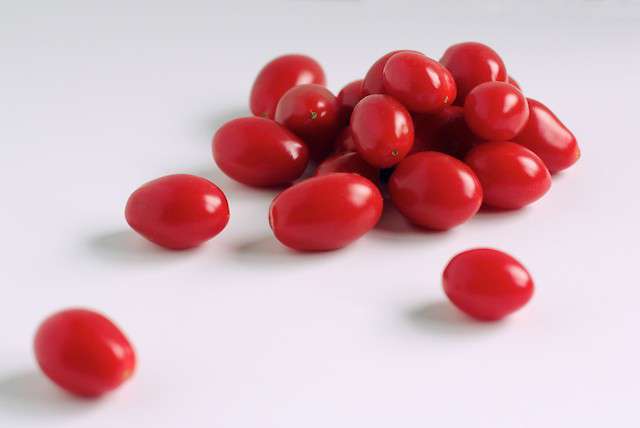
The way that light is reflected from the surface of an object affects the visual perception of colour. Glossy surfaces appear brighter or darker in colour than matte surfaces. Image Source: Flickr user Jeremy Jenum

INFO  Get More Information

Comparing Sample Textures

Depending on the amount of specular reflectance and gloss that are present on the surface of a sample, variations in testing methods are required. Texture is an important attribute of a sample structure and can affect the viewing angle needed for precise colour evaluation. Looking at the way light responds to the surface of an object can help determine the best angle and measurement system to use.

Specular light is perceived as white light, whereas the scattered diffused light determines the chroma or colour of the sample. With high gloss samples, colour appears darker because the specular light is reflected away from the surface and does not mix together with the chroma of the sample. Because viewing angle and specular reflectance significantly impact the sample colour, significant colour change is also apparent in highly textured or matted surfaces, which also presents challenges in spectrophotometry. Rather than specular reflectance causing colour perception difficulties due to glare (specular reflection), textured samples will scatter nearly all the specular light causing it to mix together with the diffused light, making the perceived colour lighter or dull in appearance. Spectrophotometry accounts for these variations by developing specific changes in instrumentation to alter the viewing angles, allowing for accurate colour comparisons and repeatability for various samples.

4052585752_f0873202fa_z.jpg

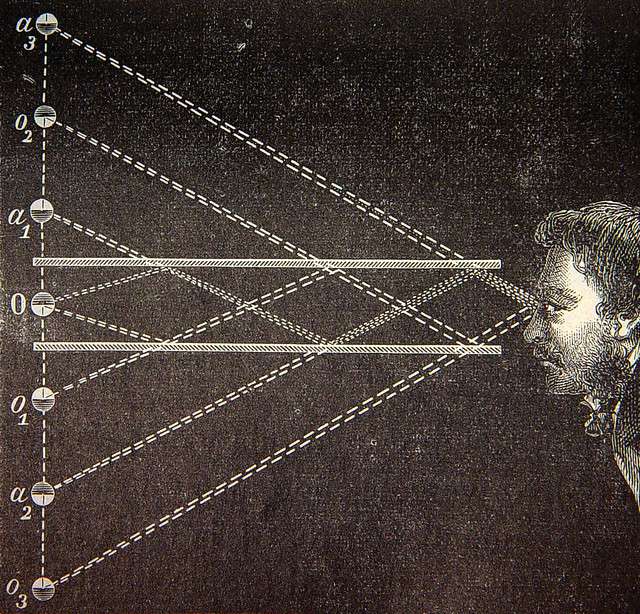
Geometry and viewing angles both play an important role in colour technology and colour measurement. Image Source: Flickr user Biblioteca General Antonio Machado

Understanding the Options

With so many variations in spectrophotometers, it may be hard to decide which instrumentation is right for your sample type and texture. HunterLab specializes in spectrophotometry and the latest advancements in colour technology. We utilize the four basic geometries of colour measurement in our versatile instrumentation.

  • Sphere-based specular-included
  • Sphere-based specular-excluded
  • 0/45 – degree
  • 45/0 – degree

Each of these geometries has been developed with the latest in instrumental technology to view colour as it is seen by the human eye. The versatility of our spectrophotometers allows for variations in surface texture and height measurement integration to give the most precise evaluations of true colour. For more information on instrumentation options or to learn more about spectrophotometry and colour technology, please contact HunterLab today.