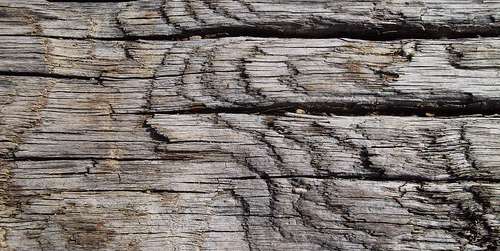
Texture variation can present special challenges for accurate colour measurement. Image Source: Flickr user Les Chatfield
Over the past few months, I’ve been renovating my house, and while the structural design elements came easily, I struggled with choosing a colour palette. After looking through hundreds of photographs of kitchen cabinets, I finally found something I could imagine living with for the next 10 years and downloaded a colour identification app to find out the name of the colour. The app lets you pinpoint an area of an image and analyzes the pigment to come up with an exact colour match from a particular paint brand. It sounded simple. But when I began using the app, its limits quickly became clear; the further the cabinets were from the light source, the darker the colour appeared, leading to a seemingly limitless range of potential options. How could I be sure that the area I was selecting represented the true colour I was looking for?
Manufacturers of consumer and industrial goods face a similar dilemma when it comes to colour measurement: how do you obtain accurate readings when texture affects how light acts on different areas of a sample?
The Problem of Texture Variation
Texture variation in consumer and industrial goods presents special challenges for colour measurement; the peaks of the sample appear lighter than the valleys as the depth of field alters our perception of colour. This creates problems for gaining consistent colour measurement not only within a sample, but between samples. Traditional time interval-based laboratory testing may erroneously flag colour variation between two identically pigmented samples due to differences in texture. For example, two pieces of embossed vinyl siding may, in fact, both be within spec, but a heavily textured portion of the siding may appear to be darker than a portion with less embossing. If an operator neglects to press the samples flat prior to testing and does not account for texture variation, they may then scrap good product and make unnecessary changes to the production process to compensate for a phantom issue, throwing future products out of spec and creating costly waste.

Traditional colour measurement of powders can require labor-intensive sample preparation to optimize sample uniformity. Image Source: Flickr user Dave Fischer