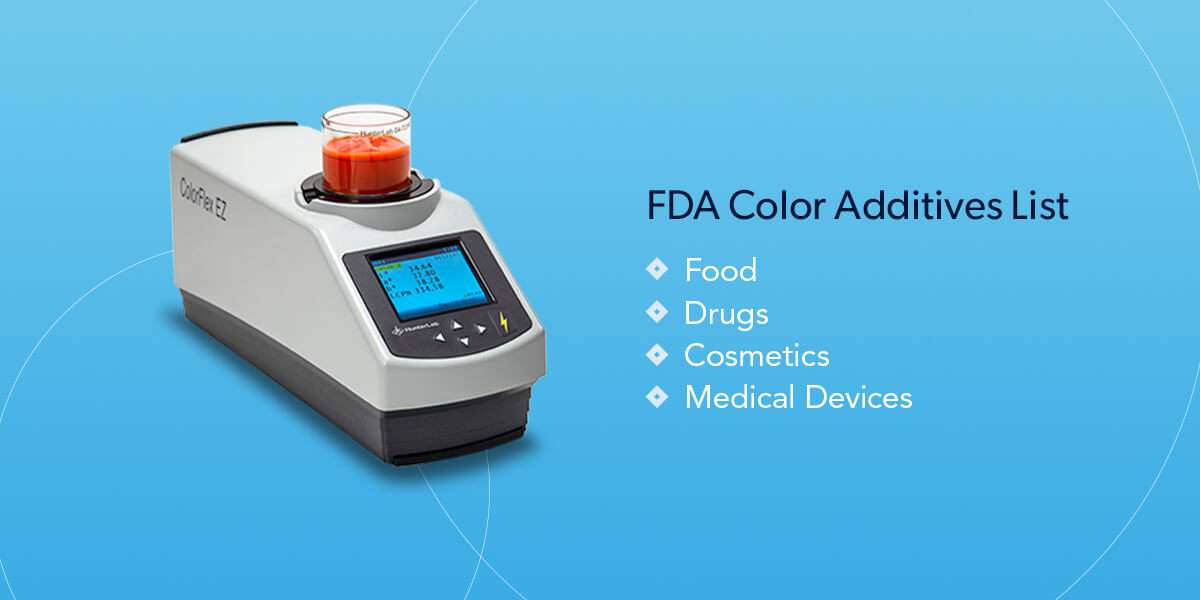

Many industries use colour additives to achieve certain effects, like making a product appealing, attractive, or appetizing. Colour additives also help consumers identify information like flavors or dosages.
The United States Food and Drug Administration (FDA) regulates the use of colour additives, as many mixtures and chemicals used in these substances can be hazardous when interacted with or ingested. Understanding FDA colour additive regulations is essential to safely and appropriately use them in your products.
Why Does the FDA Regulate Colours?
FDA colour additive regulation is essential to ensure the safe and appropriate use of colour additives. Without regulations, harmful additives could be used, resulting in harmful health effects. As a business, you must pay attention to FDA food colour regulations because your products can be reviewed and cause the FDA to take enforcement action against your product and business.
Colours have long been added to cosmetics, drugs, and food. Traditionally, colour additives came from natural mineral and vegetable sources. In the mid-1800s, synthetic dyes were discovered and created with coal by-products. By the 1900s, many products were artificially colored, and numerous coloring agents were found to be toxins, carcinogens, irritants, and more. Additionally, artificial colours were often used to hide damage or imperfections in food products.
This led Congress to pass the Food and Drugs Act in 1906, prohibiting poisonous colour additives in food products and concealing food inferiorities. In 1927, the recently-established FDA became responsible for enforcing it. Over the next several years, the FDA recognized the need for stricter regulation over colour additives in food and drug products. The Federal Food, Drug, and Cosmetic Act of 1938 did just that, including medical and cosmetic device regulations.
In 1960, the FDA released amendments to the colour additive regulations after continued health issues related to food additives. The amendments clearly defined “colour additive” and indicated that colour additives could only be used if listed as “suitable and safe” for specific uses. Since then, the FDA has been removing additives from the list — only about half remain today.
Understanding FDA Food Regulations
Food colour additives must be FDA approved before they can be used in food products. The approval process involves scientifically evaluating the colour additive to ensure its safety.
After approving a colour additive, the FDA continually monitors its use to ensure it remains safe. Regulations change if an additive is deemed unsafe to use at any point. The FDA updates its Final Rules for food colour additives based on petitions filed, which you can check anytime.
When using colour additives in food, maintaining compliance is essential. There are many aspects of FDA food colour regulations to keep in mind to help ensure you're following regulations. While you should check for specifics, here are several regulations you need to follow:
- Only use additives with an approved status on the FDA's list.
- Include the proper information on your food dye label per general labeling requirements.
- Only use approved or safe levels of colour additives.
- List all food ingredients, including colour additives, on the label.
Failure to comply with FDA food colour regulations creates health risks for consumers and can result in various repercussions from the FDA. For example, you may incur fines, you may receive a warning letter, or your products could be removed from commerce. Understanding and measuring colour additives can help ensure you stay compliant.