

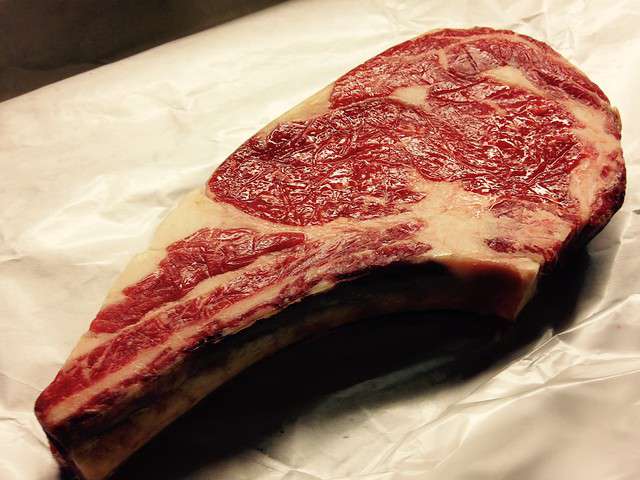
Visual assessment is the first line of defense our body uses to protect itself from potentially dangerous foods. Any discoloration behind the glass of the meat counter display is a surefire way to detour consumers. Think of the last time you saw someone pointing to that graying piece of steak saying, “I’ll take that one.” Studies support the notion that colour perception is the number one factor that impacts buying decisions and the visual appearance of meat can either entice or discourage the buyer. That is why colour analysis plays such an important role in meat processing and production. Quality evaluation of meat products involves numerous testing procedures, and of these processes, colour assessment is the most influential when it comes to consumer purchasing power.1
16306025025_eb09c293a2_z.jpg

Visual appearance and colour is used as a sign of quality and greatly influences buyer perception and purchasing choices. Image Source: Flickr user Steven Depolo


Read  Beer Colour Analysis: Setting the Standards for Quality Using Spectrophotometric Technology

The Benefits of Objective Colour Analysis

The colour of meat is determined by the interaction with light with the surface texture of the product, as well as individual perception of the viewer. The capabilities of the human eye are highly subjective2 and can be easily altered with variations in light source, viewing angle, and personal perception. Instrumental colour assessment provides an objective measurement of colour which can alert production teams to any potentially contaminated products, problems with packaging materials, or storage issues. Colour assessment can also be used as a tool to monitor the quality of meat, as well a way to determine the value and fair market price of meat products.

The viewing angle, light source, and packaging can all cause variations in visual perception. Instrumental analysis ensures accurate colour measurement with the ability to quantify this data for continual product monitoring. Image Source: Flickr user Procsilas Moscas

Utilizing Instrumental Analysis for Colour Assessment

Changes in meat colour involve the concentration of myoglobin and its response to oxidization. Various meats respond differently to these changes and the effects on colour can be altered due to variations in processing, packaging, and storage. These changes are highly sensitive and require objective colour assessment and continual monitoring to ensure that optimal product colour is maintained.

Spectrophotometers effectively measure colour by emulating human eye functioning while controlling the viewing angle and light source. Isolating these variables reduces errors in perception and enables consistent quantification of colour. Continual colour assessment monitors real-time changes to help avoid loss of quality and provide an alert to possible product contamination.

6231050128_c2c82149a5_z.jpg

Spectrophotometers continually monitor the colour of meat and poultry products to ensure quality and alert production facilities to product contamination and/or spoilage. Image Source: Flickr user Raul.Perez.

INFO  Get More Information

Getting the Most Out of Your Spectrophotometer

The USDA (Untied States Department of Agriculture) standards require colour analysis instrumentation to ensure the quality and safety of meat products.3 Whether fresh or processed, refrigerated or frozen, all meats require objective colour analysis to ensure that guidelines are followed and quality is guaranteed. HunterLab is a leading name is spectrophotometric technology and was the first to receive USDA approval for the evaluation of food colour.

Major corporations and agricultural meat producers depend on HunterLab instrumentation to meet their colour analysis needs. From large production plant monitoring to research and testing methods for creating better products, HunterLab spectrophotometers are specifically designed for use in the agricultural and meat production industries. Our team of experts is here to help you find the right instrumentation to meet standards and regulations and ensure the highest quality of product. For more information on our line of spectrophotometers, contact us today.