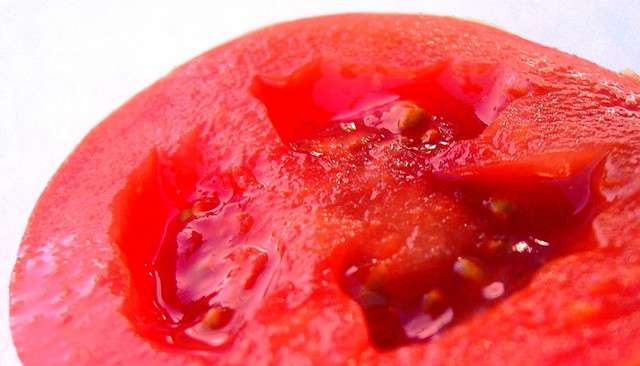
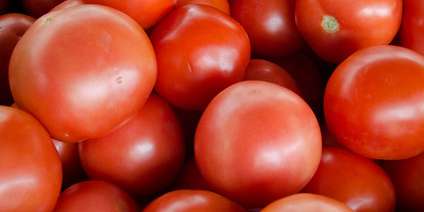
Spectrophotometers use light absorption data to determine the quality of fresh tomato products and help identify ripening disorders. Image Source: Flickr user U.S. Department of Agriculture (CC BY 2.0)
People with kids would probably agree that ketchup is the secret ingredient to improving the diets of young children. With it, you can convince almost any picky toddler to try new foods. But this love isn’t limited to the juvenile palate—just look at diners, restaurants, and fast food establishments across the country. From specially formulated bottled products to mass produced foil-lined packets, ketchup has embedded itself in American cuisine.
But with high demand for the condiment comes a volume of production that requires rigorous quality control. The competitive nature of the market has made it imperative for manufacturers to choose the best colour monitoring systems to ensure that their fresh tomatoes translate into high-quality ketchup products. With advanced spectrophotometry and tomato colour classification image analysis, you can develop a highly efficient system for condiment production, ensuring both quality and consistency.
Using Colour Analysis to Determine the Quality of Fresh Tomatoes
Because colour is a sign of quality in fresh fruits and vegetables as well as in the foods that are processed from these ingredients, the final colour outcome of any tomato ketchup is, of course, directly related to the colour quality of your fresh tomato product, with “colour and colour uniformity contribut[ing] directly to quality and marketability”1. Measuring the colour uniformity of fresh tomatoes can also be used to identify ripening disorders such as YSD (yellow shoulder disorder)2 that can degrade the quality of tomato ingredients.
Tomato colour classification image analysis simplifies the colour grading process by providing quantifiable data that identifies both high and low-quality products which are otherwise undetectable to the human eye. With advanced spectral technology, light absorption values can measure the lycopene and beta-carotene contents of your product to detect major tissue quality issues and reduce the number of YSD tomatoes in production batches.