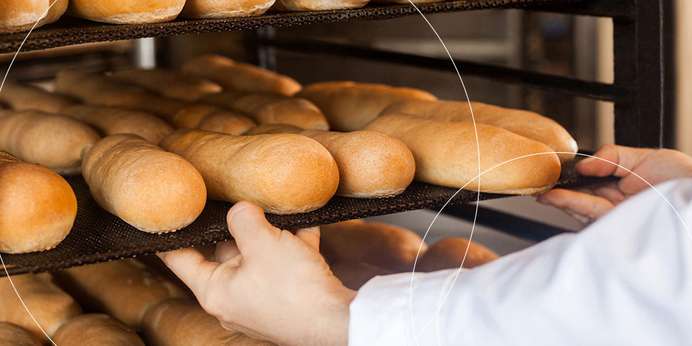
The Importance of Bread Colour Measurement
Buyers want their bread to be the right colour. If it's too light, they may have concerns about it being too doughy or even raw. Too dark, and they may think the loaf is burnt and won't taste good. Furthermore, if all your breads aren't uniform on the shelf, it may lead people to think your process isn't working correctly, which leads to further questions about your product's integrity.
In short, you need a process that produces bread of the same quality and colour every time that both contributes to brand identity and caters to consumer preferences.
How to Measure Bread Objectively
While foods like bread do not have a set quality assurance process that helps regular factors like colour, it can still be highly beneficial for your facility to have a colour management team that uses tools like spectrophotometers to gauge colour. Spectrophotometers measure colour using precise measurements like hex codes or RGB numbers to maintain consistency from batch to batch. This equipment will help you stay confident in the colour of your bread even when your process changes.
Secure Your Bread With the Right Tie
When discussing the colour of bread and how it pertains to consistency and freshness, another thing every brand should keep in mind is tie packaging. Most loaves of bread come in plastic bags with a colored tie to preserve freshness. However, the colour of the tie is also dependent on the day it was produced. While some smaller bakeries may use different codings, consumers have been taught to recognize that these colours mean the bread was baked on these days:
- Monday: Blue
- Tuesday: Green
- Thursday: Red
- Friday: White
- Saturday: Yellow