Understand Common Meat Colour Reactions
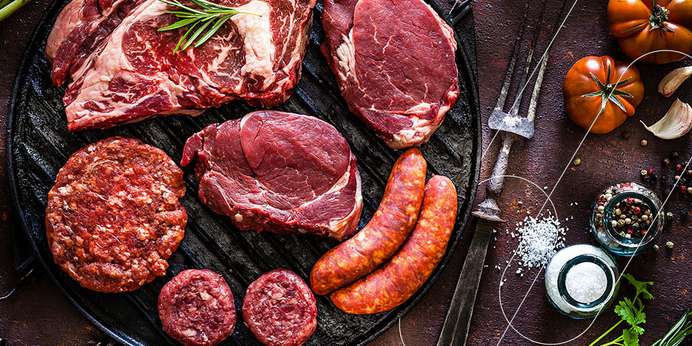
What colour do you think of when you hear raw meat? Most likely, you're thinking of bright red or pink, a colour caused by the protein myoglobin mixing with oxygen. These are the colours we learn that indicate fresh and healthy raw meat. While this is generally true, the exact colour of meat can vary by the animal's species, diet and many other factors throughout its life. Also, the more it is exposed to oxygen, the more likely it is to fade or darken in colour.
Discoloration does not necessarily indicate a piece of meat that is past its prime, but for a majority of consumers, discolored meat is the first red flag that they should avoid certain cuts and find another option.
Recognize the Effect of Outside Influences
Even when your meat is the proper colour, outside factors can change the public perception of it. Consider these when you're making your sales plan:
- Background or packaging: Your meat's colour will look different when it's placed on a white styrofoam package when compared to the butcher's block. Using packaging that enhances your meat's coloration can ensure buyers see your meat the way you want them to.
- Lighting: In any scientific measurement of meat colour, you control variables such as lighting. When your package reaches its point of sale, however, you have no control over any one location's lighting preferences and whether it changes throughout the day. Try to evaluate your meat under a range of natural and artificial lighting to get a clear picture of what your average consumer may see.
Use the Right Tools for Meat Colour Measurements
How do you make sure you get precise meat colour measurements every time? While there are no strict guidelines to measure the colour of meat, there are best practices, like using a spectrophotometer to gauge objective colour without the influences we mentioned above affecting your outcome. You can learn more about the top spectrophotometers on the market on HunterLab's meat coloration page.