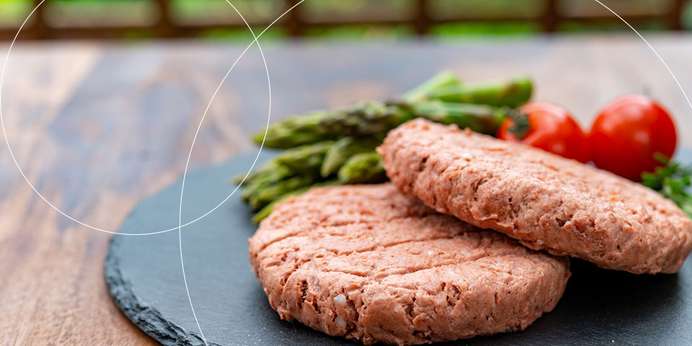
Meeting consumer preferences in plant-based meat substitute colours is essential to your brand's long-term success. Remember to consider these factors every time you introduce a new product to your catalog.

Meeting consumer preferences in plant-based meat substitute colours is essential to your brand's long-term success. Remember to consider these factors every time you introduce a new product to your catalog.
Any substitute you work with, whether it's soy, wheat, or something else, has its own base colour. Even if that colour is white or off-white, it will affect any colorings you add to the protein mixture. If you're going for that classic meat lookalike, make sure you anticipate those colour variations and adjust accordingly.
For many of those flocking to the meat-free movement, their goal is health-related. Perhaps they want to try the vegan diet or have food allergies that plant-based diets all but eliminate. On top of that, they may follow other health regimens, such as eating only kosher or halal foods. If you want to appeal to these segments of the population, it's important to pay close attention to where your food colorings come from.
For example, carmine is a very popular pigment in food coloring — offering that vibrant red colour many people associate with fresh, raw meat. However, carmine is sourced from bugs, so any food that uses it automatically becomes non-vegan. Some brands use other natural options, like beets and radishes, to combat this concern.
Think about whether you plan to market this product as “raw” meat or “cooked," as meat often looks vastly different once it's exposed to thermal reactions. This will affect whether you reach for pink and red pigments or darker colours that imitate that fresh-off-the-grill brown.
The longer your food is meant to last, the more chance there is that it will age. Over time, your colorants may start to interact differently with the other ingredients, affecting their long-term colour. This is something you should account for in your testing.
All of these considerations are meant to manage one thing — colour consistency. When consumers shop, they expect their foods, and especially their meats, to look a certain way. Something that doesn't appear to have the right colour will turn people away and have them searching for something that looks more familiar, even if they're open to trying new things.
That's why HunterLab is dedicated to developing colour measurement tools for plant-based meat substitutes. The more precise you can be, the better your products will sell.
Spectrophotometers are the gold standard for measuring the colour of plant-based meat substitutes, and our selection offers high-quality and concise measurements. Take a look at our selection today and request a quote on the best option for your needs.

HunterLab goes beyond color, delivering precise, science-backed solutions that help industries achieve superior quality and appearance control. As a global leader in spectrophotometry, we empower businesses to reduce waste, improve efficiency, and enhance product consistency—directly impacting the bottom line. By combining innovation, real-world expertise, and sustainable measurement solutions, we help manufacturers optimize production, minimize material loss, and meet the highest industry standards. Follow us on LinkedIn