1. The Colour of a Beer Depends on the Brewing Method and Type of Malt
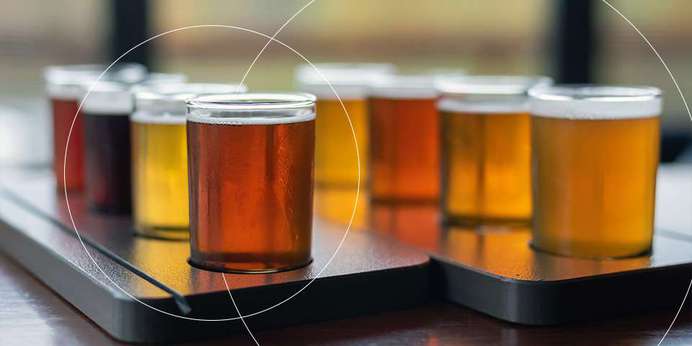
All beer contains water, hops, yeast, and malt. Brewers can control the type of beer they make by changing the brewing method and using different types of malts, such as pilsner malt or mild ale malt. Beer manufacturers can also achieve different beverage colours with varying roasting times and temperatures. For example, darker beers are roasted at higher temperatures than lighter beers. All these factors determine the colour of this beverage.
2. Beer's Colour Affects the Quality
There are three types of beer colours, including light, dark, and gold, and each one offers different flavors. Different beers also have varying levels of haze. Some of these beverages are supposed to be slightly opaque, while others can be clear. If a beer is supposed to be transparent but has a cloudy appearance instead, it could indicate the presence of impurities or poor quality.
3. Spectrophotometers Provide the Fastest and Best Results
It's not enough to inspect a beer's colour visually. Humans perceive colour differently, which means visual inspections may provide incorrect and inconsistent results. Spectrophotometers remove this uncertainty since they measure the wavelengths of light transmitted and reflected by beer. Additionally, these solutions can measure larger samples in less time.
4. There Are Scales to Compare the Colour of Beer
Once you obtain quantifiable results from the spectrophotometer, you can use the Standard Reference Method (SRM) to compare the data to existing beer colour standards. The SRM scale is the most commonly used colour-testing method for beer. It allows brewers to meet industry criteria.
5. HunterLab's Spectrophotometers Measure Beer's Colour and Haze Simultaneously
Measuring the colour of beer is one thing. However, it's equally important to measure the haze to ensure optimal beer quality. HunterLab's Vista is the only spectrophotometer in the colour-measuring industry that can provide data on haze and colour at the same time.