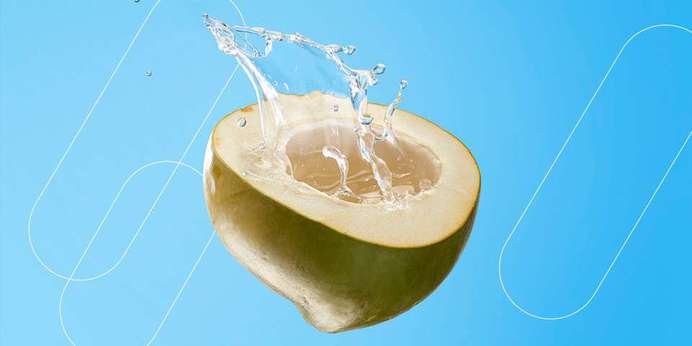
Facts About Measuring the Colour of Coconut Water
Monitoring the colour of coconut water is crucial to ensure you comply with health and safety regulations and draw consumers to your product. Potential buyers are highly conscious of a beverage's colour when making a purchasing decision. Here are five things you need to know about measuring the colour of coconut water to ensure you meet industry standards and appeal to consumers:
1. The Colour Changes
Producing coconut water is tricky because the colour changes through the various stages of production, from harvest time to when it gets to the store. Standard coconut water colours vary from translucent white to pale yellow and depend on many different factors, including harvest methods, geographical location, and pasteurization.
2. The Turbidity Affects Colour
While coconut water is typically a clear white or colorless liquid, the amount of pulp in the coconut water affects the colour. The pulp concentration, or turbidity, controls the amount of light that passes through the liquid, changing the way humans perceive the colour. For example, blending the pulp with the water would produce coconut milk, a white, opaque liquid.
3. Coconuts Discolor Instantly
As soon as you harvest a coconut and crack it open, its colour starts changing. To combat this phenomenon, manufacturing companies often store their coconuts for six days before opening them. Even after the six-day waiting period, manufacturers must control the facility's temperature to prevent discoloration.
4. Coconut Water Turns Pink Over Time
Coconut water is made from younger coconuts with lower pH values to delay fermentation. However, younger coconuts oxidize faster due to certain enzymes, producing pink coconut water when exposed to oxygen and sunlight over time. Pink coconut water is still drinkable, but it adds another element to consider when striving for consistency.
5. HunterLab Spectrophotometers Measure Colour and Haze
Measuring the colour of coconut water is not as simple as measuring other beverages since you have to consider the pulp concentration, too. Here at HunterLab, our Vista spectrophotometer successfully measures coconut water's colour and haze, helping you manage the colour consistency throughout production.