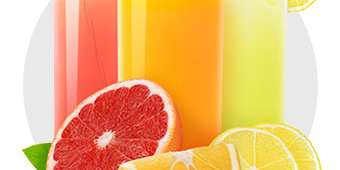
1. Consider Colour-Based Regulations
Every country has a number of regulations based on colorant use in beverages. Along with varying by country, these regulations also depend on the type of drink you're making and whether it's part of a dry mix formula or ready to drink from the shelves. Before you start adding colours to your drinks or changing their formulas, explore your coloration options carefully to choose ingredients that fit your sales area's regulations and make your drinks the colour you've intended.
2. Understand Base Colour Effects
Even drinks that appear transparent can have a base colour, and this base colour often affects the way your drink appears. Anticipate these colour reactions in your sampling and be prepared to try a range of colorants to find the ones that achieve your desired colour.
3. Remember That Colour Changes Over Time
Many energy drinks and nutritional beverages are shelf-stable, meaning they may sit on a shelf or in a cabinet for some time before consumption. Where possible, try to test and anticipate how your product may degrade or evolve over time, and how that may affect the colour of the drink. If the colour changes too much, people may not want to drink it or buy it again, even if the product is still perfectly fine to drink. As a result, try to work with ingredients that are shelf-stable and not likely to change.
4. Know Your Audience's Preferences
Functional beverages like sports drinks are well-known for their bright, vibrant colours. But which colours appeal to your customers? Consider these colour differences:
- Warm colours promote energy and fun and are most successful in energy drinks, juices, and seltzers. They are ideal for enhancing flavors like pineapple, cherry, and mango.
- Cool colours promote creativity and relaxation, making them an ideal choice for nutrient-rich drinks. They also emphasize flavors like blueberry, kiwi, and grape.