
Colour differentiation, texture-colour comparison, and 20/20 vision are all qualities that the perfect human eye uses to classify colour. However, objective differentiation of true colour measurement is only possible with advanced colour measurement instrumentation. Spectrophotometers provide the leading technology for quantifying colour using human eye technology, and true colour assessment can be used to create quality and consistency in various product industries.

4202914427_2ddc726ba3_z.jpg

The ability to generate true colour measurement is important for product consistency and compatibility. Accurate colour measurement is a sign of product quality and leads to consumer satisfaction. Image Source: Flickr user Edinburgh City of Print
Read  Temperature Effects on Colour Measurement: Maintaining Accuracy in Extreme Conditions

Colour is a highly influential component among many products. In foods, plastics, chemicals, and pharmaceuticals, consumers use colour as a first impression for purchasing choices, but colour can also be used to detect impurities and products that may be unsafe for consumption. With today’s technology, the ability to measure true colour is no longer optional, but instead has become a necessity for protecting consumers and ensuring product compatibility and sales.

True colour technology

In a worldwide marketplace, the ability to communicate true colour is more important than ever. Understanding true colour technology can help manufacturers quantify colour values and reproduce exact colour matches from any location around the globe. True colour assessment technology relies on these six specific parameters to ensure colour measurement repeatability and inter-instrument agreement:

  • Colour Scale: Colour scales are the language of colour measurement. L, a, b – type colour scales are commonly used by various industries but can differ based upon which specific type of colour scale is required. Specialized colour indexes such as Whiteness Index, Yellowness Index, and APHA colour scales express colour values in relation to specific standards. Each industry is dependent upon its own specific colour scale in order to communicate colour values effectively, and many regulatory organizations such as the International Organization for Standardization (ISO) and the American Society for Testing and Materials (ATMS) require the use of specific colour scale measurements and compatibility.
  • CIE Illuminant: Illumination is another important parameter of true colour measurement. Since colour perception can vary depending on forms of light, illumination must also be classified.
  • CIE Standard Observer: The International Commission on Illumination (CIE) defined two sets of colour-matching functions for use as standard observers. They are similar but not identical, so it is important to know which function is applicable for each intended application.
  • Instrument Geometry: Depending on your instrumentation and the nature of the sample, there are two general geometries for colour measurement that are measured in degrees – directional 45°/0° or 0°/45° and diffuse 8°/d or d/8° sphere geometry. Variations geometries provide different views of the sample, which affects the measured values.
  • Sample Preparation: Samples can vary greatly according to the nature of the material and expectations of colour measurement data. Preparation of samples can range in opacity, viscosity, and size, as well as liquid and solid form. Containers such as a transmission cell or sample cup should be consistent for true colour measurements in order to provide dependable result. Uniformity and repeatability are key factors for true colour measurement.
  • Sample Presentation: For optimal true colour measurement results, presentation should use the largest optical sample view possible and take an average reading of multiple measurements. This will help to ensure inter-instrument agreement.
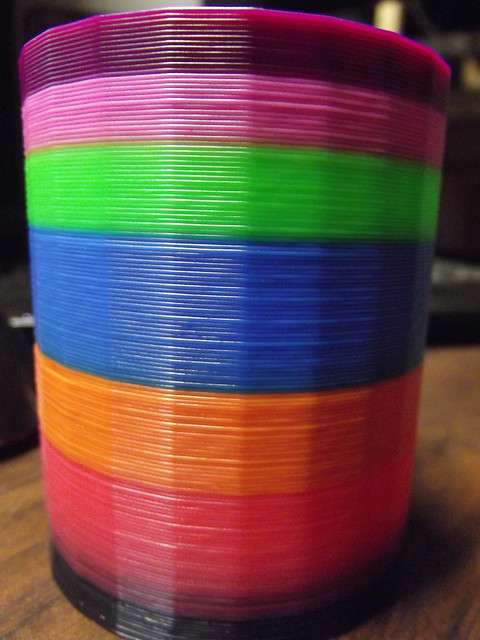
7340563818_686141ca90_z.jpg

True colour measurement is adaptable for any type of material of sample size and consistency. Image Source: Flickr user Chris Cecil

INFO  Get More Information

The world’s true measure of colour

When producing items at different manufacturing plants or sending products around the world, colour values and standards matter. Using the same equipment produced by the same manufacturer with the same model number will ensure colour compatibility and quality in your products. Ensuring exact colour matches is what will help keep clients happy. To meet quality expectation, true colour matching is a must and relies on the latest technology and support to guarantee instrumentation is used properly and to its best ability.

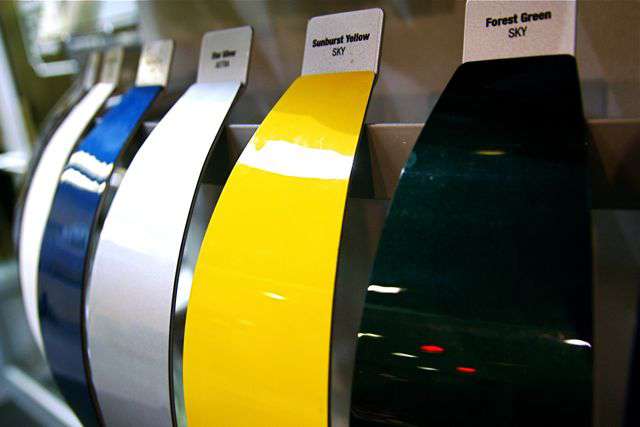
4119618557_edff59f187_z.jpg

Relying on the six parameters of colour measurement ensures true colour compatibility which is essential for industries where colour matching is a necessity. Image source: Flickr user Steven Depolo

At HunterLab we pride ourselves on over 60 years of experience and innovation and work hard to find the cutting edge of technology for every colour measurement need. We offer a variety of instruments to meet the diverse requirements of industry standards. Our friendly staff is here to help you determine the best equipment for your all your colour measurement needs. Accessible by clients all around the world, HunterLab is committed to true colour measurement and stands by our products to warrant the highest level of quality and customer satisfaction. Contact HunterLab today and let us show how the world measures true colour.