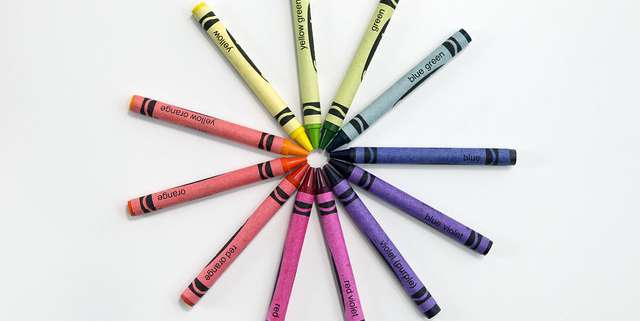
Understanding tristimulus colour values can be overwhelming. Expert guidance can simplify colour measurement and help you utilize your instrumentation to its full potential. Image Source: Flickr user mckinney75402

Spectrophotometers are a commonly used tool in nearly every industry, yet this valuable technology is often under-utilized. Companies purchase colour measurement equipment out of necessity and then find themselves using the bare minimum applications for the job. Understanding tristimulus values and the different geometric degrees and angles can be overwhelming, making instrument selection challenging. Well, not anymore! In this post, we will give a simple and straightforward explanation of tristimulus values and colour measurement, plus provide resources that will help you choose the right instrumentation for your application needs. Finding the support you need to use your colour measurement tools correctly and efficiently will ensure that you are getting the best value for your investment.

Human eye technology and colour measurement
512px-CIExy1931.png

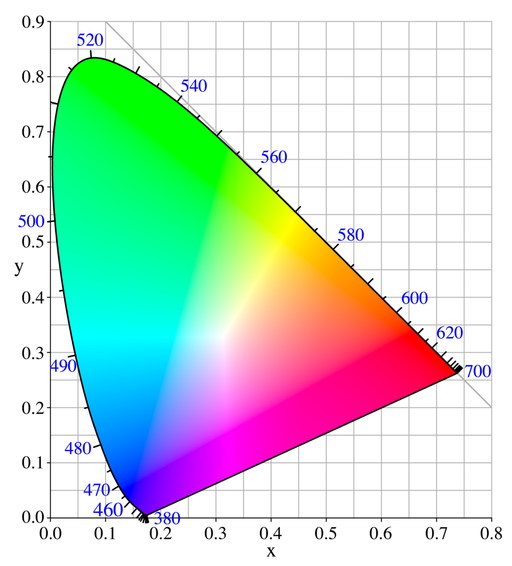
Tristimulus colour is based on the three primary colour receptors of the human eye and quantified into coordinate values of X,Y, and Z. Image Source: Wikimedia Commons user Sakurambo

Read  Temperature Effects on Colour Measurement: Maintaining Accuracy in Extreme Conditions

Spectrophotometers utilize human eye technology to create accurate yet objective and quantifiable colour measurement values. These values can then be repeated for colour quality and consistency in product development. Based on human visual perception, colour measurement relies on a system of three colour values which are referred to as tristimulus values.

This system mirrors the colour receptors in the human eye, referred to as cone cells. Tristimulus values measure light intensity based on the three primary colour values (RGB), typically represented by X, Y, and Z coordinates. The tristimulus values system is the foundation of colour language, also referred to as the CIE colour system, and is used to communicate precise colour values around the world.

Other factors that affect colour measurements

Slide044.jpg

Tristimulus values are the backbone of colour measurement, but many other factors can influence colour perception. Variations in light sources, viewing angles, and field of view can alter visual perception; therefore colour measurement instrumentation must be designed to account for these variables.

INFO  Get More Information

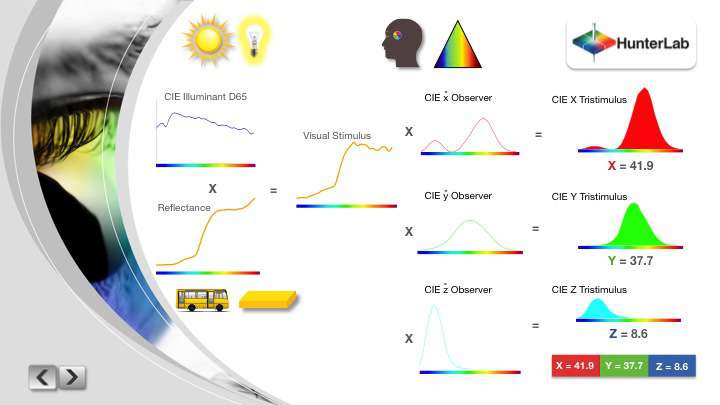
The standard field of view is the CIE 10 degree standard observer, with has been proven to be the most accurate degree of observation for matching human visual perception. Alltristimulus values are calculated from this standard degree of observation, so that manufacturers can be confident in meeting exact colour specifications. Calculations are based on the XYZ tristimulus values in accordance with the type of illumination and reflectance of the sample.

Colour-matching and quality regulations

The tristimulus values provide a reliable system that provides manufacturers and customers a way to communicate colour preferences in order to ensure precise colour matching and product compatibility. The ISO (International Organization of Standardization) utilizes these specific methods and the tristimulus value system to regulate and ensure compatibility standards between various industries. Understanding the basis of colour measurement is the first step toward utilizing your colour measurement instrumentation at its full potential.

Choices in instrumentation

Spectrophotometers are available in a variety of styles and types, which vary greatly depending on industry needs and regulations. HunterLab is a leader in spectrophotometric technology and has over 60 years of experience working with various industry leaders to develop to the most efficient and reliable instrumentation available. HunterLab is a trusted name in colour measurement and we pride ourselves in customer support and relationships. We are here to help you understand your colour measurement needs and how to utilize your instrumentation to get the most out of your investment. Contact HunterLab today to learn why more companies trust us to handle all their colour measurement needs.