How the Gardner Scale Helps Edible Oil Manufacturers Enhance Quality and Create Colour Consistency
Using a spectrophotometer with Gardner scale capabilities provides a number of benefits that can help you create higher-quality, more consistent edible oil products:
Raw Material Selection
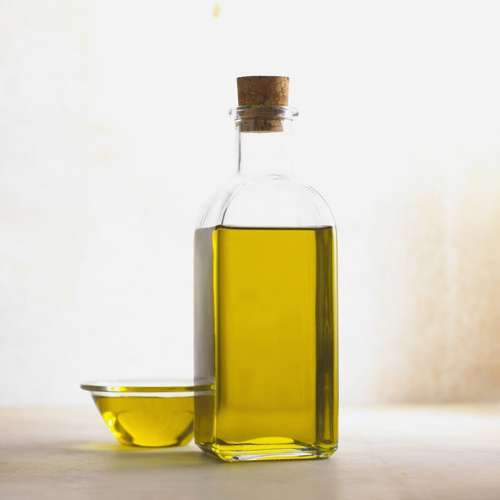
During the selection process for your raw materials, the Gardner colour scale may help you identify materials that are most likely to produce the final colour you desire. For example, if you want to manufacture extra virgin olive oil that is as dark yellow as possible without adding artificial coloring to your final product, then you may choose to test the raw oil produced by a number of different olive species first. This testing process will help you identify the olive variety that consistently produces your ideal oil colour on the Gardner scale.
Refined Manufacturing
Another use for the Gardner scale among edible oil manufacturers is to ensure colour consistency from batch to batch. Various steps in the manufacturing process can impact the final colour of the oil product, which may impact both the real and perceived quality of the oil. When making olive oil, for example, manufacturers press the olives in order to extract liquid fat from the fruit. If the olives are exposed to too much oxygen during this process, the oil may oxidize and change colour, resulting in a lower-quality product. Similarly, the process of bleaching or refining the oil may cause it to appear lighter in colour compared to an oil that has not been through this process. By testing your edible oil for colour consistency throughout the manufacturing process, you can ensure that your products are being processed exactly as intended, as discoloration could be a sign of an inconsistency in the pressing or bleaching process.
Safer Storage
Finally, the Gardner colour scale can help you identify improper storage conditions. Edible oil products are highly sensitive to changes in temperature, lighting, and air quality. For instance, food-grade oil that has been stored in temperatures above 18 degrees Celcius (65 degrees Fahrenheit) is prone to heat damage, which may cause it to lighten significantly in colour. Likewise, oils exposed to too much oxygen as a result of an improper container seal and oils that are exposed to bright lights or natural sunlight are also likely to undergo undesirable colour changes before they reach your customers. Using a spectrophotometer that is capable of measuring edible oil against the Gardner colour scale, you can ensure that your products are being stored properly before they are shipped to your customers or distributors. Additionally testing a sample of your oil while it’s in storage may help you identify storage problems before they negatively impact your future products.
Facilitate Accurate Edible Oils Colour Measurement With Solutions From HunterLab
HunterLab carries spectrophotometers that excel in measuring the colour of edible oils. With embedded EasyMatch QC software and a smart user interface, manufacturer teams can maintain colour consistency across every edible oil product. Get in touch with us today to learn more about our equipment options.