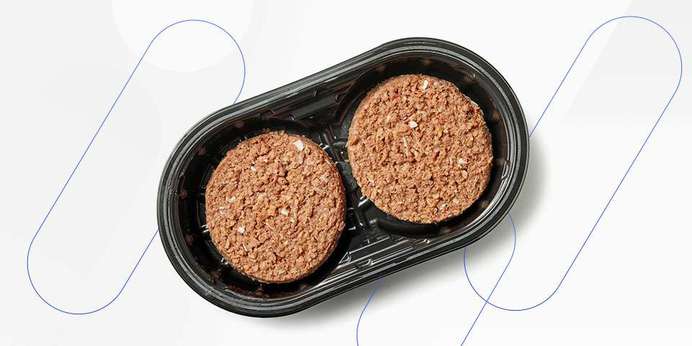
Why Measure the Colour of Plant-Based Meat Substitutes?
Even the most adventurous shoppers expect their food to look a certain way. Especially when they buy meat, colour tells them whether they're getting fresh meat or meat that may be bad and can make them and their loved ones sick. When you work with meat substitutes, you must work equally hard to deliver a product that looks fresh and appealing.
How Is Plant-Based Meat Substitute Colour Measured?
The issue with measuring the colour of plant-based meat substitutes is that the human view of colour is subjective. Most people perceive colour differently and see different levels of the same colour. Plus, outside factors like lighting and background colours can affect perception. To gauge product colour precisely, you need a scientific testing method that accounts for these factors.
In food manufacturing, spectrophotometers have proven to be one of the most useful tools for colour measurement. In seconds, they scan and measure colour using objective measurements like L*a*b or hex codes. By introducing spectrophotometers to your manufacturing process, you won't have to rely on your staff's varying eyesight — staff members can simply pick up a tool and get accurate numerical data, which they can compare against other samples.
Our Colour Measurement Tools
For more than 70 years, HunterLab has pioneered solutions to measure the colour of plant-based meat substitutes and other food products through our range of spectrophotometer offerings. Our tools have been rigorously tested to measure colour in any scenario, allowing you to manage product consistency with ease. Recent years have shown a growing consumer demand for meat alternatives, and our team has seen an increase in sales of equipment designed for this purpose, most notably in these models: