
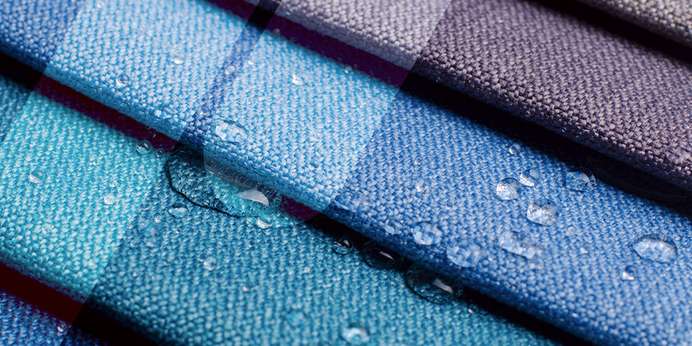
The effects of moisture on color measurement are all too real for manufacturers. Wet samples can appear dramatically different from their dry counterparts — darker, more saturated, or with altered surface properties that can cast doubt on result accuracy. This reality creates a dilemma for quality control (QC) teams in many industries. Do you wait for samples to dry and slow throughput, or measure wet samples and risk inaccuracies?

Understanding how sample moisture content can affect color can help you pivot to a more predictable framework that addresses the variable. With spectrophotometry, you can build reliable measurement protocols that transform wet samples from obstacle into QC advantage.

Why Does Moisture Change a Sample’s Appearance?

Moisture settles into air gaps on a sample's surface, or — in the case of textiles — becomes absorbed by the fibers. Both cases can impact how light interacts with the surface and influence the sample's appearance.

In the simplest terms, wet samples will often appear darker because there is less light scattering and more light absorption. The more moisture-saturated the sample is, the more pronounced the perception shift can become, with highly porous materials often showing the most dramatic effects of moisture on color measurement.

How Does Moisture Impact Different Materials?

This phenomenon can manifest in different ways in key industries.

Powders and coatings present issues with color measurement when moisture is present. Structural clumping is a common concern, and the particle aggregation can cause light scattering that impacts appearance. This clumping can also create issues with sample flowability and further impact data consistency and repeatability.

Absorption is the primary challenge with textiles, reinforcing the need for accurate sample preparation. The type of fabric also makes color measurement more complex in wet samples. For example, cotton and polyester have vastly different absorption capabilities, so color alterations may appear much more pronounced in one than the other.

What Are the Business Costs of Uncontrolled Moisture Variables?

Uncontrolled moisture variables add measurable costs that affect your bottom line through reduced efficiency, increased waste, and elevated quality risks.

Production Bottlenecks

You know downtime is expensive. When your production line stops to wait for samples to dry for color measurement, it creates delayed quality decisions and scheduling backlogs. The end result? Throughput and efficiency suffer.

Consider the cascading effects of a single wet sample that requires 30 minutes of drying time. It pushes back every subsequent sample in the queue. Lab technicians stand idle, production managers scramble to adjust schedules, and quality decisions that should take minutes stretch into hours.

The ripple effects extend beyond the lab. Manufacturing lines may continue producing potentially off-spec product while waiting for color approval, creating inventory that might need reworking or disposal. Meanwhile, shipping schedules slip and customer commitments become harder to meet.


Read  Color Measurement in Sterile Environments: Pharmaceutical Challenges

Inaccurate QC and Downstream Batch Rejection

Not waiting is equally risky. Wet sample color measurement often produces readings that fall outside of dry sample tolerances. When that happens, QC might mistakenly approve a bad batch or reject a good one. That reality can easily lead to excess waste, rework, or customer rejections.

The financial implications can be substantial. A single misread wet sample could result in shipping thousands of pounds of off-spec product to customers, triggering costly recalls, chargebacks, and damaged relationships. Conversely, rejecting perfectly good batches based on inaccurate wet readings means discarding valuable raw materials and finished products.

A dark piece of wavy fabric with water droplets sitting on top

Imagine a textile manufacturer who ships fabric that appears to match specifications when wet, only to discover the dried material fails customer color standards upon delivery. Additional costs like expedited replacement manufacturing, rush shipping fees, and potential contract penalties only add to the financial risks.

How to Build a Framework for Predictive Color Measurement

Spectrophotometry empowers you to shift from a passive “wait-and-see” approach to a more active, predictive one. Capturing appearance data from both wet and dry samples helps create a model that can reliably predict final dry color from wet samples, eliminating slow, inconsistent, and highly variable processes.

1. Choose the Correct Instrument Geometry

Spectrophotometers are designed with different optical geometries to handle different challenges. Aligning the geometry with the sample and its characteristics is critical when accounting for moisture.

For example, d/8° sphere geometry captures total reflectance by including specular reflection (SPIN) or evaluates visual appearance by excluding it (SPEX). Measuring in specular included (SPIN) mode addresses surface water effects by negating the specular glare caused by the moisture layer, but this approach cannot precisely quantify color in samples where moisture induces internal absorption or structural clumping. Such samples would require alternative measurement protocols to account for these complex moisture interactions.

2. Establish a Standardized Measurement Protocol

Consistency is key for quality and precision when capturing color data. Repeatability becomes even more critical with wet samples, where variables like moisture distribution, surface tension, and sample positioning can dramatically affect readings. A well-defined protocol eliminates measurement variability that could be mistaken for actual color differences between wet and dry states, ensuring your predictive model is built on reliable data rather than measurement inconsistencies.

That means defining a strict measurement approach for every sample to ensure users handle each one identically. Consider establishing your protocols encompassing factors like:

  • Sample preparation and presentation techniques
  • Specified sample moisture content requirements for wet substrates
  • Benchmarks for fully dry samples
  • Number of measurements per sample
  • Rotation between samples
INFO  Get More Information

Measure Your Wet Samples Confidently With HunterLab Solutions

Moisture variables no longer need to disrupt your color quality control processes. HunterLab is the pioneer of measuring color for the sake of appearance. For over 70 years, we've helped manufacturers across industries gain color confidence with top-rated spectrophotometers designed for moisture-sensitive applications. Our innovative solutions reduce sample prep time and improve operational efficiency.

Find the best solution for your color measurement needs and request a quote today, or contact our experts for advice on the ideal equipment for your application.