About
ブログ

軽い読み物に興味はありますか?

当ブログでは、色と見た目のニーズを向上させるための役立つ教育情報、アドバイス、研究結果、洞察を継続的に更新しています。ドリンクを片手に、私たちのストーリーをお楽しみください!

Explore Our Stories
ketchup-spectrophotometry-1.jpg

"Spectrophotometric Color Measurement Keeps Ketchup Red as Manufacturers Eliminate Preservatives"

Read More

Explore Our Products

VIEW MORE

ketchup-spectrophotometry-1.jpg

"Spectrophotometric Color Measurement Keeps Ketchup Red as Manufacturers Eliminate Preservatives"

Read More
ketchup-spectrophotometry-1.jpg

"Spectrophotometric Color Measurement Keeps Ketchup Red as Manufacturers Eliminate Preservatives"

Read More
ketchup-spectrophotometry-1.jpg

"Spectrophotometric Color Measurement Keeps Ketchup Red as Manufacturers Eliminate Preservatives"

Read More
ketchup-spectrophotometry-1.jpg

"Spectrophotometric Color Measurement Keeps Ketchup Red as Manufacturers Eliminate Preservatives"

Read More
dual-beam.jpg

"How to Measure Sugar Color"

Read More
dual-beam.jpg

"How to Measure Sugar Color"

Read More

Spectrophotometric Color Measurement Keeps Ketchup Red as Manufacturers Eliminate Preservatives

Posted on 9月 02, 2022 by HunterLab

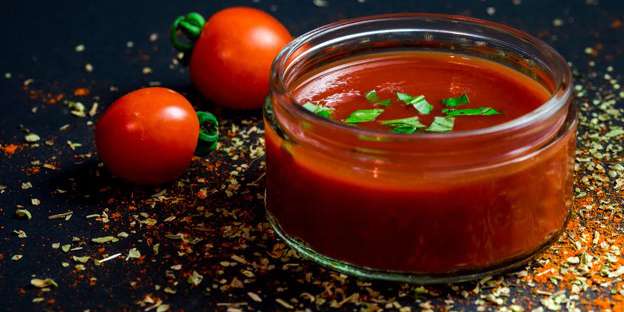
Consumers are demanding more natural, healthier food virtually across the board and the condiment industry is no exception. The ketchup segment of that accounts for more than $8 billion annually, with the vast majority of ketchup consumption happening in North America.1  Despite this high figure, the market is declining due in part to increased awareness of the risks of preservatives and high sugar typically present in the popular condiment. As manufacturers seek out ways to increase the appeal of ketchup by eliminating these additives, they may need to adjust their formulas to account for color.

Ketchup, however, can be a surprisingly finicky condiment when it comes to color integrity. Everything from the shade of the tomato to cooking duration and temperature could result in an undesirable color, which is either too dark or too pale. As manufacturers adjust their ingredients, the need to find ways to ensure ketchup color is still visually appealing to consumers remains. Using spectrophotometers in the process of creating ketchup is an ideal solution.

Click here for the best spectrophotometer to measure ketchup color

Posted in Applications

Spectrophotometric Color Measurement Keeps Ketchup Red as Manufacturers Eliminate Preservatives

Posted on 9月 02, 2022 by HunterLab

Consumers are demanding more natural, healthier food virtually across the board and the condiment industry is no exception. The ketchup segment of that accounts for more than $8 billion annually, with the vast majority of ketchup consumption happening in North America.1  Despite this high figure, the market is declining due in part to increased awareness of the risks of preservatives and high sugar typically present in the popular condiment. As manufacturers seek out ways to increase the appeal of ketchup by eliminating these additives, they may need to adjust their formulas to account for color.

Ketchup, however, can be a surprisingly finicky condiment when it comes to color integrity. Everything from the shade of the tomato to cooking duration and temperature could result in an undesirable color, which is either too dark or too pale. As manufacturers adjust their ingredients, the need to find ways to ensure ketchup color is still visually appealing to consumers remains. Using spectrophotometers in the process of creating ketchup is an ideal solution.

Click here for the best spectrophotometer to measure ketchup color

Posted in Applications

Spectrophotometric Color Measurement Keeps Ketchup Red as Manufacturers Eliminate Preservatives

Posted on 9月 02, 2022 by HunterLab

Los consumidores demandan alimentos más naturales y saludables prácticamente en todos los ámbitos, y la industria de los condimentos no es una excepción. El segmento del kétchup supone más de 8.000 millones de dólares anuales, y la gran mayoría del consumo de kétchup se produce en Norteamérica.1 A pesar de esta elevada cifra, el mercado está en declive debido en parte a la mayor concienciación sobre los riesgos de los conservantes y el alto contenido en azúcar que suele contener el popular condimento. Mientras los fabricantes buscan formas de aumentar el atractivo del ketchup eliminando estos aditivos, es posible que tengan que ajustar sus fórmulas para tener en cuenta el color.

El ketchup, sin embargo, puede ser un condimento sorprendentemente quisquilloso cuando se trata de la integridad del color. Todo, desde el tono del tomate hasta la duración y la temperatura de cocción, puede dar lugar a un color no deseado, demasiado oscuro o demasiado pálido. A medida que los fabricantes ajustan sus ingredientes, sigue existiendo la necesidad de encontrar formas de garantizar que el color del ketchup siga siendo visualmente atractivo para los consumidores. El uso de espectrofotómetros en el proceso de creación del ketchup es una solución ideal.

Haz clic aquí para ver el mejor espectrofotómetro para medir el color del ketchup

Posted in Applications

Spectrophotometric Color Measurement Keeps Ketchup Red as Manufacturers Eliminate Preservatives

Posted on 9月 02, 2022 by HunterLab

Die Verbraucher verlangen praktisch überall nach natürlicheren, gesünderen Lebensmitteln, und die Gewürzindustrie bildet da keine Ausnahme. Das Ketchup-Segment macht jährlich mehr als 8 Milliarden Dollar aus, wobei der überwiegende Teil des Ketchup-Konsums in Nordamerika stattfindet.1 Trotz dieser hohen Zahl ist der Markt rückläufig, was zum Teil darauf zurückzuführen ist, dass das Bewusstsein für die Risiken der Konservierungsstoffe und des hohen Zuckergehalts, die typischerweise in dem beliebten Gewürz enthalten sind, gestiegen ist. Da die Hersteller nach Möglichkeiten suchen, die Attraktivität von Ketchup durch den Verzicht auf diese Zusatzstoffe zu erhöhen, müssen sie möglicherweise ihre Rezepturen anpassen, um die Farbe zu berücksichtigen.

Ketchup kann jedoch ein erstaunlich heikles Gewürz sein, wenn es um die Farbintegrität geht. Alles, vom Farbton der Tomate bis zur Kochdauer und -temperatur, kann zu einer unerwünschten Farbe führen, die entweder zu dunkel oder zu blass ist. Während die Hersteller ihre Zutaten anpassen, müssen sie Wege finden, um sicherzustellen, dass die Farbe von Ketchup für die Verbraucher immer noch optisch ansprechend ist. Der Einsatz von Spektralphotometern bei der Herstellung von Ketchup ist eine ideale Lösung.

Klicken Sie hier für das beste Spektralphotometer zur Messung der Ketchupfarbe

Posted in Applications

Spectrophotometric Color Measurement Keeps Ketchup Red as Manufacturers Eliminate Preservatives

Posted on 9月 02, 2022 by HunterLab

消費者は事実上あらゆる面で、より自然で健康的な食品を求めており、調味料業界も例外ではない。その中でもケチャップ分野は年間80億ドル以上を占め、ケチャップ消費の大部分は北米で起こっている。1 この高い数字にもかかわらず、人気調味料に一般的に含まれる保存料や高糖分のリスクに対する意識の高まりもあり、市場は減少傾向にある。これらの添加物を排除してケチャップの魅力を高める方法をメーカーが模索する中、色を考慮した処方を調整する必要があるかもしれない。

しかしケチャップは、色の完全性に関しては驚くほど気難しい調味料である。トマトの色合いから調理時間や温度まで、あらゆることが濃すぎたり薄すぎたりする好ましくない色になる可能性がある。メーカーが原料を調整する中、ケチャップの色が消費者にとって視覚的に魅力的であることを保証する方法を見つける必要性は依然として残っている。ケチャップの製造過程で分光光度計を使用することは、理想的な解決策である。

ケチャップの色を測るのに最適な分光光度計はこちら

Posted in Applications

How to Measure Sugar Color

Posted on 9月 02, 2022 by HunterLab

粗糖は色価が高く、消費前に精製と精製を経なければならない。国際砂糖分析統一法委員会(ICUMSA)には、Brix値とも呼ばれる既知の濃度における砂糖の比色定量法がいくつかあります。ICUMSAカラーチャートで色を測定することにより、一貫性を確保し、製品の価値を理解することができます。

なぜ砂糖の色を測るのか?

砂糖も含め、多くの食品において色は鮮度と品質を示す。シュガー・カラー・チャートは、砂糖に含まれる黄色の量を測定します。この色は精製過程で除去されなかった糖蜜の残留を示します。砂糖の色を測定する理由はいくつかあります。そうすることで、以下のことが可能になります:

  • 精製工程を改善する:砂糖の色は製造工程のステップの結果であるため、このデータは砂糖精製の監視と制御に役立つ。
  • 視覚的なアピールを増やす:砂糖の色は消費者にとって魅力的であり、一貫した色は商品販売の鍵となる。
  • より質の高い 食品を生産する:砂糖の色はその品質を示し、その品質はそれを使ったあらゆる食品に影響を与えます。

ICUMSA方式とは?

ICUMSAカラースケールは、粗糖、黒糖、白糖、着色シロップの溶液色、およびグルコースシロップの脱色度を測定します。これは、精製工程でどれだけの糖蜜が残留したかを示すものである。砂糖の精製工程が多いほど、色が抜けていきます。粗糖は黒褐色で、高度に精製された砂糖は白色です。

Posted in Applications

How to Measure Sugar Color

Posted on 9月 02, 2022 by HunterLab

Raw sugar has a high color value and must go through refinement and purification before consumption. The International Commission for Uniform Methods of Sugar Analysis (ICUMSA) has several methods for the colorimetric determination of sugar at a known concentration, also called the Brix value. By measuring the color with the ICUMSA color chart, you can ensure consistency and understand the value of your product.

Why Measure Sugar Color?

Color is an indication of freshness and quality in many foods, including sugar. The sugar color chart measures the amount of yellow in the sugar. This color indicates residual molasses that was not removed during the refining process. There are several reasons to measure sugar color. By doing so, you can:

  • Improve refining processes: The sugar color is the result of the steps of the manufacturing process, so this data can help monitor and control sugar refining.
  • Add more visual appeal: Sugar color is appealing to consumers, and consistent color is key to product sales.
  • Produce better quality food products: The color of sugar is indicative of its quality, and its quality will go on to impact that of any food made with it.

What Is the ICUMSA Method?

The ICUMSA color scale determines the solution color of raw sugars, brown sugars, white sugars and colored syrups as well as the decolorization of glucose syrups. It is an indication of how much residual molasses was left behind during the refining process. The more processing steps the sugar goes through, the more color is removed. Raw sugar is dark brown, and highly refined sugar is white.

Posted in Applications
Prev
1
2
3
…
Next

Most Related Posts

  • Spectrophotometric Color Measurement Keeps Ketchup Red as Manufacturers Eliminate Preservatives
  • Spectrophotometric Color Measurement Keeps Ketchup Red as Manufacturers Eliminate Preservatives
  • Spectrophotometric Color Measurement Keeps Ketchup Red as Manufacturers Eliminate Preservatives
  • Spectrophotometric Color Measurement Keeps Ketchup Red as Manufacturers Eliminate Preservatives
  • Spectrophotometric Color Measurement Keeps Ketchup Red as Manufacturers Eliminate Preservatives
  • How to Measure Sugar Color
  • How to Measure Sugar Color
View More Related Posts

Follow us on social

  • LinkedInFollow us on LinkedIn
  • YouTubeFollow us on YouTube
  • facebookFollow us on Facebook
  • XFollow us on X (formerly Twitter)
  • instagramFollow us on Instagram