About
ブログ

軽い読み物に興味はありますか?

当ブログでは、色と見た目のニーズを向上させるための役立つ教育情報、アドバイス、研究結果、洞察を継続的に更新しています。ドリンクを片手に、私たちのストーリーをお楽しみください!

Explore Our Stories
01-Best-Spectrophotometer-for-Measuring-Color.jpg

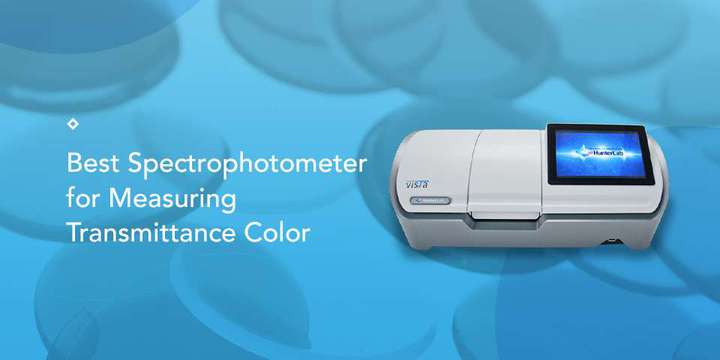
"Best Spectrophotometer for Measuring Transmittance Color"

Read More

Explore Our Products

VIEW MORE

01-Best-Spectrophotometer-for-Measuring-Color.jpg

"Best Spectrophotometer for Measuring Transmittance Color"

Read More
01-Best-Spectrophotometer-for-Measuring-Color.jpg

"Best Spectrophotometer for Measuring Transmittance Color"

Read More
01-Best-Spectrophotometer-for-Measuring-Color.jpg

"Best Spectrophotometer for Measuring Transmittance Color"

Read More
01-Best-Spectrophotometer-for-Measuring-Color.jpg

"Best Spectrophotometer for Measuring Transmittance Color"

Read More
01-How-to-Use-a-SpectrophotometerforSelecting.jpg

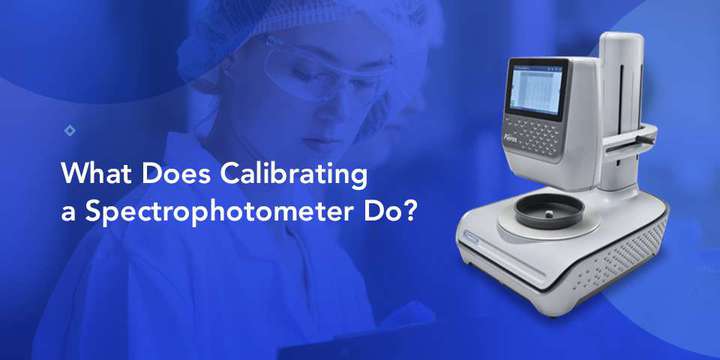
"What Does Calibrating a Spectrophotometer Do?"

Read More
01-How-to-Use-a-SpectrophotometerforSelecting.jpg

"What Does Calibrating a Spectrophotometer Do?"

Read More

Best Spectrophotometer for Measuring Transmittance Color

Posted on 2月 06, 2026 by HunterLab

Every material absorbs, reflects, or transmits light, which determines the color we see when looking at an object. Transmission refers to the light waves that pass through a translucent or transparent sample, and spectrophotometers provide quantitative measurements of that data. These devices make it possible to evaluate a sample's color scientifically and objectively, which is vital for ensuring color consistency in various applications. Spectrophotometer transmittance measurements enable better quality control and enhanced consumer perception of your products.

What Is Transmittance in a Spectrophotometer?

The definition of transmittance is the measured light that passes through a sample, meaning the light that is not absorbed or reflected. Three primary transmittance measurements include:

  • Diffuse transmittance (Td, n): This measurement is the ratio of the flux transmitted by a specimen to the incident flux, with the transmitted flux being measured at all forward angles except the regular transmission angle. When light is diffusely transmitted, its direction changes as it passes through the material, causing scattering.
  • Regular transmittance (tr, n): This measurement is the ratio of undiffused transmitted flux to incident flux. In other words, it is straight-through light.
  • Total transmittance (tt, n): This measurement is the ratio of the flux transmitted at all forward angles to the incident flux. Total transmittance is the sum of regular transmittance and diffuse transmission.

These values are essential to maintaining quality in products like beverages and edible oils. It's best to measure color with a spectrophotometer to capture more accurate information, as these devices provide exact quantitative data regarding the amount of light that passes through a sample. 

The transmittance formula is:

T = PT/P0

The values in this formula represent:

  • T: Transmittance
  • PT: The source's radiation power as it exits the sample
  • P0: The source's radiation power as it enters the sample

The resulting calculation is a ratio, comparing the light before it enters the sample to the light after it passes through it. A value closer to 1 means most light passes through, while lower values mean that less light passes through. 

What Is Percent Transmittance in a Spectrophotometer?

Percent transmittance displays the light that passes through the sample as a percentage rather than the ratio created by the above formula. You can get the value by multiplying the ratio by 100. 

A sample with 100% transmittance is transparent, allowing all light to pass through. Lower numbers indicate more translucence than transparency. At least 30% of the light must pass through the material for effective transmittance measurements.

The transmission percentage is also helpful for absorbance calculations. A commonly used absorbance formula is:

A = 2-log10(%T)

This formula determines the amount of light absorbed using the percentage of light that passes through the sample. 

Posted in Instruments And Software

Best Spectrophotometer for Measuring Transmittance Color

Posted on 2月 06, 2026 by HunterLab

あらゆる物質は光を吸収、反射、または透過し、これが物体を見た時に認識する色を決定します。透過とは半透明または透明な試料を通過する光波を指し、分光光度計はそのデータを定量的に測定します。これらの装置により試料の色を科学的かつ客観的に評価することが可能となり、様々な用途における色調の一貫性を確保する上で不可欠です。 分光光度計による透過率測定は、品質管理の向上と製品に対する消費者の認識向上を実現します。

分光光度計における透過率とは何か?

透過率の定義は、試料を通過する測定された光、すなわち吸収または反射されない光を指す。主な透過率測定には以下の3種類が含まれる:

  • 拡散透過率(Td, n): この測定値は、試料によって透過される光束が入射光束に対する比率であり、透過光束は通常の透過角を除く全前方角度で測定される。光が拡散透過される場合、その方向は材料を通過する際に変化し、散乱を引き起こす。
  • 通常透過率(tr, n): この測定値は、入射光束に対する拡散されていない透過光束の比率である。言い換えれば、これは直進光である。
  • 全透過率(tt, n): この測定値は、全前方角度で透過した光束が入射光束に対する比率である。全透過率は、規則透過率と拡散透過率の合計である。

これらの値は飲料や食用油などの製品の品質維持に不可欠です。より正確な情報を得るためには分光光度計で色を測定するのが最適です。これらの装置は試料を通過する光の量を正確に定量的に測定するためです。 

透過率の計算式は次の通りです:

T = PT/P0

この式における値は以下を表します:

  • T: 透過率
  • PT: サンプルから放出される放射線の出力
  • P0: 試料に入射する放射線の放射パワー

結果として得られる計算値は、試料に入る前の光と試料を通過した後の光を比較した比率である。値が1に近いほど多くの光が透過し、低い値ほど透過する光が少ないことを意味する。 

分光光度計における透過率とは何か?

透過率は、上記の式で算出される比率ではなく、サンプルを通過する光の割合をパーセントで表示します。この値は、比率に100を乗じることで得られます。 

透過率100%のサンプルは透明であり、すべての光を通過させます。数値が低いほど透明性よりも半透明性を示します。効果的な透過率測定には、少なくとも30%の光が材料を通過する必要があります。

透過率も吸光度計算に有用である。一般的に用いられる吸光度の計算式は以下の通りである:

A = 2-log10(%T)

この式は、試料を通過する光の割合を用いて吸収される光の量を決定する。 

Posted in Instruments And Software

Best Spectrophotometer for Measuring Transmittance Color

Posted on 2月 06, 2026 by HunterLab

Jedes Material absorbiert, reflektiert oder lässt Licht durch, was die Farbe bestimmt, die wir sehen, wenn wir ein Objekt betrachten. Die Transmission bezieht sich auf die Lichtwellen, die durch eine durchscheinende oder transparente Probe hindurchgehen, und Spektralphotometer liefern quantitative Messungen dieser Daten. Diese Geräte ermöglichen eine wissenschaftliche und objektive Bewertung der Farbe einer Probe, was für die Gewährleistung der Farbkonsistenz in verschiedenen Anwendungen von entscheidender Bedeutung ist. Transmissionsmessungen mit Spektralphotometern ermöglichen eine bessere Qualitätskontrolle und verbessern die Wahrnehmung Ihrer Produkte durch die Verbraucher.

Was ist die Transmissionsfähigkeit in einem Spektralphotometer?

Die Definition von Transmissionsgrad ist das gemessene Licht, das durch eine Probe hindurchgeht, d. h. das Licht, das nicht absorbiert oder reflektiert wird. Zu den drei primären Transmissionsgradmessungen gehören:

  • Diffuse Transmission (Td, n): Diese Messung ist das Verhältnis des von einer Probe durchgelassenen Lichtstroms zum einfallenden Lichtstrom, wobei der durchgelassene Lichtstrom in allen Vorwärtswinkeln außer dem regulären Transmissionswinkel gemessen wird. Wenn Licht diffus durchgelassen wird, ändert sich seine Richtung beim Durchgang durch das Material, was zu Streuung führt.
  • Reguläre Transmission (tr, n): Dieser Messwert ist das Verhältnis des ungestreuten durchgelassenen Lichtstroms zum einfallenden Lichtstrom. Mit anderen Worten: Es handelt sich um direkt durchgelassenes Licht.
  • Gesamtdurchlässigkeit (tt, n): Dieser Messwert ist das Verhältnis des bei allen Vorwärtswinkeln durchgelassenen Lichtstroms zum einfallenden Lichtstrom. Die Gesamtdurchlässigkeit ist die Summe aus regulärer Durchlässigkeit und diffuser Transmission.

Diese Werte sind für die Aufrechterhaltung der Qualität von Produkten wie Getränken und Speiseölen von entscheidender Bedeutung. Am besten misst man die Farbe mit einem Spektralphotometer, um genauere Informationen zu erhalten, da diese Geräte exakte quantitative Daten über die Lichtmenge liefern, die durch eine Probe hindurchgeht. 

Die Durchlässigkeitsformel lautet:

T = PT/P0

Die Werte in dieser Formel stehen für:

  • T: Durchlässigkeit
  • PT: Die Strahlungsleistung der Quelle beim Austritt aus der Probe
  • P0: Die Strahlungsleistung der Quelle beim Eintritt in die Probe

Das Ergebnis dieser Berechnung ist ein Verhältnis, das das Licht vor dem Eintritt in die Probe mit dem Licht nach dem Durchgang durch die Probe vergleicht. Ein Wert näher an 1 bedeutet, dass das meiste Licht durchgelassen wird, während niedrigere Werte bedeuten, dass weniger Licht durchgelassen wird. 

Was ist die prozentuale Durchlässigkeit in einem Spektralphotometer?

Die prozentuale Durchlässigkeit gibt das durch die Probe hindurchtretende Licht als Prozentsatz anstelle des durch die obige Formel ermittelten Verhältnisses an. Sie erhalten diesen Wert, indem Sie das Verhältnis mit 100 multiplizieren. 

Eine Probe mit einer Durchlässigkeit von 100 % ist transparent und lässt das gesamte Licht durch. Niedrigere Werte weisen auf eine höhere Lichtdurchlässigkeit als Transparenz hin. Für eine effektive Messung der Durchlässigkeit müssen mindestens 30 % des Lichts durch das Material hindurchgehen.

Der Transmissionsprozentsatz ist auch für Absorptionsberechnungen hilfreich. Eine häufig verwendete Absorptionsformel lautet:

A = 2-log10(%T)

Diese Formel bestimmt die Menge des absorbierten Lichts anhand des Prozentsatzes des Lichts, das durch die Probe hindurchgeht. 

Posted in Instruments And Software

Best Spectrophotometer for Measuring Transmittance Color

Posted on 2月 06, 2026 by HunterLab

Every material absorbs, reflects, or transmits light, which determines the color we see when looking at an object. Transmission refers to the light waves that pass through a translucent or transparent sample, and spectrophotometers provide quantitative measurements of that data. These devices make it possible to evaluate a sample's color scientifically and objectively, which is vital for ensuring color consistency in various applications. Spectrophotometer transmittance measurements enable better quality control and enhanced consumer perception of your products.

What Is Transmittance in a Spectrophotometer?

The definition of transmittance is the measured light that passes through a sample, meaning the light that is not absorbed or reflected. Three primary transmittance measurements include:

  • Diffuse transmittance (Td, n): This measurement is the ratio of the flux transmitted by a specimen to the incident flux, with the transmitted flux being measured at all forward angles except the regular transmission angle. When light is diffusely transmitted, its direction changes as it passes through the material, causing scattering.
  • Regular transmittance (tr, n): This measurement is the ratio of undiffused transmitted flux to incident flux. In other words, it is straight-through light.
  • Total transmittance (tt, n): This measurement is the ratio of the flux transmitted at all forward angles to the incident flux. Total transmittance is the sum of regular transmittance and diffuse transmission.

These values are essential to maintaining quality in products like beverages and edible oils. It's best to measure color with a spectrophotometer to capture more accurate information, as these devices provide exact quantitative data regarding the amount of light that passes through a sample. 

The transmittance formula is:

T = PT/P0

The values in this formula represent:

  • T: Transmittance
  • PT: The source's radiation power as it exits the sample
  • P0: The source's radiation power as it enters the sample

The resulting calculation is a ratio, comparing the light before it enters the sample to the light after it passes through it. A value closer to 1 means most light passes through, while lower values mean that less light passes through. 

What Is Percent Transmittance in a Spectrophotometer?

Percent transmittance displays the light that passes through the sample as a percentage rather than the ratio created by the above formula. You can get the value by multiplying the ratio by 100. 

A sample with 100% transmittance is transparent, allowing all light to pass through. Lower numbers indicate more translucence than transparency. At least 30% of the light must pass through the material for effective transmittance measurements.

The transmission percentage is also helpful for absorbance calculations. A commonly used absorbance formula is:

A = 2-log10(%T)

This formula determines the amount of light absorbed using the percentage of light that passes through the sample. 

Posted in Instruments And Software

Best Spectrophotometer for Measuring Transmittance Color

Posted on 2月 06, 2026 by HunterLab

Todos los materiales absorben, reflejan o transmiten la luz, lo que determina el color que vemos al mirar un objeto. La transmisión se refiere a las ondas de luz que atraviesan una muestra translúcida o transparente, y los espectrofotómetros proporcionan mediciones cuantitativas de esos datos. Estos dispositivos permiten evaluar el color de una muestra de forma científica y objetiva, lo que es fundamental para garantizar la consistencia del color en diversas aplicaciones. Las mediciones de transmitancia del espectrofotómetro permiten un mejor control de calidad y mejoran la percepción que tienen los consumidores de sus productos.

¿Qué es la transmitancia en un espectrofotómetro?

La definición de transmitancia es la luz medida que atraviesa una muestra, es decir, la luz que no es absorbida ni reflejada. Las tres mediciones principales de transmitancia son:

  • Transmitancia difusa (Td, n): Esta medida es la relación entre el flujo transmitido por una muestra y el flujo incidente, midiendo el flujo transmitido en todos los ángulos de avance excepto el ángulo de transmisión normal. Cuando la luz se transmite de forma difusa, su dirección cambia al atravesar el material, provocando dispersión.
  • Transmitancia regular (tr, n): Esta medida es la relación entre el flujo transmitido no difuso y el flujo incidente. En otras palabras, es la luz que atraviesa directamente.
  • Transmitancia total (tt, n): Esta medida es la relación entre el flujo transmitido en todos los ángulos de avance y el flujo incidente. La transmitancia total es la suma de la transmitancia regular y la transmisión difusa.

Estos valores son esenciales para mantener la calidad en productos como bebidas y aceites comestibles. Lo mejor es medir el color con un espectrofotómetro para obtener información más precisa, ya que estos dispositivos proporcionan datos cuantitativos exactos sobre la cantidad de luz que atraviesa una muestra. 

La fórmula de transmitancia es:

T = PT/P0

Los valores de esta fórmula representan:

  • T: Transmitancia
  • PT: La potencia de radiación de la fuente al salir de la muestra.
  • P0: La potencia de radiación de la fuente al entrar en la muestra.

El cálculo resultante es una relación que compara la luz antes de entrar en la muestra con la luz después de atravesarla. Un valor más cercano a 1 significa que la mayor parte de la luz atraviesa la muestra, mientras que los valores más bajos significan que atraviesa menos luz. 

¿Qué es la transmitancia porcentual en un espectrofotómetro?

La transmitancia porcentual muestra la luz que atraviesa la muestra como un porcentaje, en lugar de la relación creada por la fórmula anterior. Puede obtener el valor multiplicando la relación por 100. 

Una muestra con una transmitancia del 100 % es transparente, lo que permite que pase toda la luz. Los números más bajos indican más translucidez que transparencia. Al menos el 30 % de la luz debe atravesar el material para que las mediciones de transmitancia sean efectivas.

El porcentaje de transmisión también es útil para los cálculos de absorbancia. Una fórmula de absorbancia comúnmente utilizada es:

A = 2-log10(%T)

Esta fórmula determina la cantidad de luz absorbida utilizando el porcentaje de luz que atraviesa la muestra. 

Posted in Instruments And Software

What Does Calibrating a Spectrophotometer Do?

Posted on 2月 06, 2026 by HunterLab

Spectrophotometers are powerful solutions for objectively and scientifically quantifying color data in products. These devices capture measurements for comparison against a known scale or index to ensure goods' color falls within acceptable tolerances, supporting higher quality. Calibration is a crucial factor in ensuring the equipment delivers — and continues to provide — precise, accurate color measurements.

What Is Spectrophotometer Calibration?

Calibration of a spectrophotometer is a process for adjusting the device's sensitivity to certain wavelengths of light. This precise adjustment helps verify that the unit is measuring wavelengths as intended and quantifying color correctly. It substantially differs from standardization, a process that end users perform in their facilities.

Posted in Instruments And Software

What Does Calibrating a Spectrophotometer Do?

Posted on 2月 06, 2026 by HunterLab

分光光度計は、製品の色データを客観的かつ科学的に定量化する強力なソリューションです。これらの装置は既知の尺度や指標との比較測定を行い、製品の色が許容範囲内に収まることを保証し、高品質を支えます。機器が正確で精密な色測定を確実に提供し続けるためには、校正が極めて重要な要素となります。

分光光度計の校正とは何か?

分光光度計の較正とは、特定の波長の光に対する装置の感度を調整するプロセスである。この精密な調整により、装置が意図した波長を測定し、色を正しく定量化していることを確認できる。これは標準化とは本質的に異なる。標準化はエンドユーザーが自社施設で行うプロセスである。

Posted in Instruments And Software
Prev
1
2
3
Next

Most Related Posts

  • Best Spectrophotometer for Measuring Transmittance Color
  • Best Spectrophotometer for Measuring Transmittance Color
  • Best Spectrophotometer for Measuring Transmittance Color
  • Best Spectrophotometer for Measuring Transmittance Color
  • Best Spectrophotometer for Measuring Transmittance Color
  • What Does Calibrating a Spectrophotometer Do?
  • What Does Calibrating a Spectrophotometer Do?
View More Related Posts

Follow us on social

  • LinkedInFollow us on LinkedIn
  • YouTubeFollow us on YouTube
  • facebookFollow us on Facebook
  • XFollow us on X (formerly Twitter)
  • instagramFollow us on Instagram