About
BLOG

Lust auf eine kleine Lektüre?

Unser Blog wird ständig mit hilfreichen Informationen, Ratschlägen, Forschungsergebnissen und Einblicken aktualisiert – alles mit dem Ziel, Ihnen dabei zu helfen, Ihre Bedürfnisse in Bezug auf Farbe und Aussehen zu verbessern. Holen Sie sich etwas zu trinken und genießen Sie unsere Geschichten!

Explore Our Stories
01-Best-Practices-for-Measuring-saflower

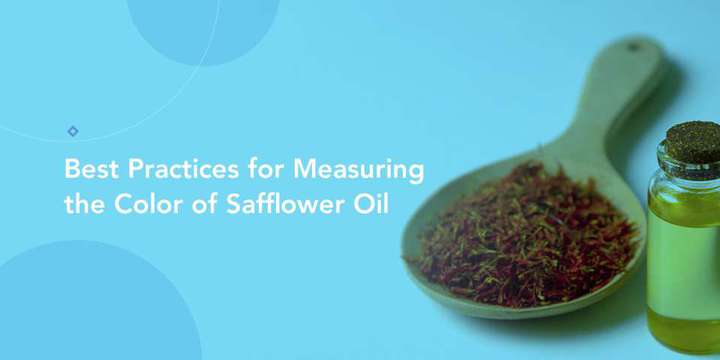
"Best Practices for Measuring the Color of Safflower Oil"

Read More

Explore Our Products

VIEW MORE

01-Grain-Industry-Color-Standards-R01.original.jpg

"Grain Industry Color Standards"

Read More
01-Grain-Industry-Color-Standards-R01.original.jpg

"Grain Industry Color Standards"

Read More
01-Grain-Industry-Color-Standards-R01.original.jpg

"Grain Industry Color Standards"

Read More
01-Grain-Industry-Color-Standards-R01.original.jpg

"Grain Industry Color Standards"

Read More
01-Grain-Industry-Color-Standards-R01.original.jpg

"Grain Industry Color Standards"

Read More
01-Best-Practices-for-Measuring-saflower

"Best Practices for Measuring the Color of Safflower Oil"

Read More

Best Practices for Measuring the Color of Safflower Oil

Posted on Mär 06, 2026 by HunterLab

Safflower oil's versatility brings value to many businesses and consumers. In cooking, it's a viable substitute for frying in vegetable oils since it has a high smoke point. Cosmetics manufacturers prize it for its skin friendliness, while artists prefer it over linseed oil for paint blending.

Consistent color helps ensure the product meets flavor, quality, and safety expectations, underscoring the need for accurate color measurement of safflower oil at every processing stage.

What Impacts Safflower Oil Color?

Factors ranging from natural raw material differences to changes in processing and storage can all impact safflower oil color:

  • Seed coat and petals: A safflower's seed coat and petal color can alter the color of metabolites and linoleic acid, producing color variations in the oil.
  • Roasting temperatures: As temperatures rise during roasting, seed color can transform from pale yellow to golden to a deeper brown.
  • Storage: The oil can undergo substantial changes in storage if subject to lighting and air quality differences. For example, extended and excess light or UV ray exposure can bleach safflower oil.

Posted in Food

Grain Industry Color Standards

Posted on Feb 26, 2026 by HunterLab

Grains are integral to our everyday diets, from rice and flour to cereals, baked goods, and pasta. The color of raw grains contributes directly to their nutritional value, while the color of final goods can influence consumer buying preferences and quality perceptions. Understanding and following industry standards for grain color helps manufacturers maintain quality control, reduce waste, and boost customer satisfaction.

Applicable Color Standards in the Grains Industry

The United States Department of Agriculture is the main government oversight body for raw grains, and its color standards are used for classification and grading. Color can also help determine a grain's suitability for a specific application, as color variances can indicate damage that falls outside allowable tolerances for certain purposes.

The Cereals and Grains Association is the primary industry organization that develops color standards for grain manufacturers and processors. For example, the association has established color benchmarks and measuring methods for pasta products and durum flours. These standards are also compatible with those issued by AOAC International, which upholds standards across the broader agricultural chemistry field.

Posted in Food

Grain Industry Color Standards

Posted on Feb 26, 2026 by HunterLab

Grains are integral to our everyday diets, from rice and flour to cereals, baked goods, and pasta. The color of raw grains contributes directly to their nutritional value, while the color of final goods can influence consumer buying preferences and quality perceptions. Understanding and following industry standards for grain color helps manufacturers maintain quality control, reduce waste, and boost customer satisfaction.

Applicable Color Standards in the Grains Industry

The United States Department of Agriculture is the main government oversight body for raw grains, and its color standards are used for classification and grading. Color can also help determine a grain's suitability for a specific application, as color variances can indicate damage that falls outside allowable tolerances for certain purposes.

The Cereals and Grains Association is the primary industry organization that develops color standards for grain manufacturers and processors. For example, the association has established color benchmarks and measuring methods for pasta products and durum flours. These standards are also compatible with those issued by AOAC International, which upholds standards across the broader agricultural chemistry field.

Posted in Food

Grain Industry Color Standards

Posted on Feb 26, 2026 by HunterLab

Grains are integral to our everyday diets, from rice and flour to cereals, baked goods, and pasta. The color of raw grains contributes directly to their nutritional value, while the color of final goods can influence consumer buying preferences and quality perceptions. Understanding and following industry standards for grain color helps manufacturers maintain quality control, reduce waste, and boost customer satisfaction.

Applicable Color Standards in the Grains Industry

The United States Department of Agriculture is the main government oversight body for raw grains, and its color standards are used for classification and grading. Color can also help determine a grain's suitability for a specific application, as color variances can indicate damage that falls outside allowable tolerances for certain purposes.

The Cereals and Grains Association is the primary industry organization that develops color standards for grain manufacturers and processors. For example, the association has established color benchmarks and measuring methods for pasta products and durum flours. These standards are also compatible with those issued by AOAC International, which upholds standards across the broader agricultural chemistry field.

Posted in Food

Grain Industry Color Standards

Posted on Feb 26, 2026 by HunterLab

Grains are integral to our everyday diets, from rice and flour to cereals, baked goods, and pasta. The color of raw grains contributes directly to their nutritional value, while the color of final goods can influence consumer buying preferences and quality perceptions. Understanding and following industry standards for grain color helps manufacturers maintain quality control, reduce waste, and boost customer satisfaction.

Applicable Color Standards in the Grains Industry

The United States Department of Agriculture is the main government oversight body for raw grains, and its color standards are used for classification and grading. Color can also help determine a grain's suitability for a specific application, as color variances can indicate damage that falls outside allowable tolerances for certain purposes.

The Cereals and Grains Association is the primary industry organization that develops color standards for grain manufacturers and processors. For example, the association has established color benchmarks and measuring methods for pasta products and durum flours. These standards are also compatible with those issued by AOAC International, which upholds standards across the broader agricultural chemistry field.

Posted in Food

Grain Industry Color Standards

Posted on Feb 26, 2026 by HunterLab

Grains are integral to our everyday diets, from rice and flour to cereals, baked goods, and pasta. The color of raw grains contributes directly to their nutritional value, while the color of final goods can influence consumer buying preferences and quality perceptions. Understanding and following industry standards for grain color helps manufacturers maintain quality control, reduce waste, and boost customer satisfaction.

Applicable Color Standards in the Grains Industry

The United States Department of Agriculture is the main government oversight body for raw grains, and its color standards are used for classification and grading. Color can also help determine a grain's suitability for a specific application, as color variances can indicate damage that falls outside allowable tolerances for certain purposes.

The Cereals and Grains Association is the primary industry organization that develops color standards for grain manufacturers and processors. For example, the association has established color benchmarks and measuring methods for pasta products and durum flours. These standards are also compatible with those issued by AOAC International, which upholds standards across the broader agricultural chemistry field.

Posted in Food

Best Practices for Measuring the Color of Safflower Oil

Posted on Feb 25, 2026 by HunterLab

La versatilidad del aceite de cártamo aporta valor a muchas empresas y consumidores. En la cocina, es un sustituto viable del aceite vegetal para freír, ya que tiene un punto de humeo alto. Los fabricantes de cosméticos lo aprecian por su compatibilidad con la piel, mientras que los artistas lo prefieren al aceite de linaza para mezclar pinturas.

Un color uniforme ayuda a garantizar que el producto cumpla con las expectativas de sabor, calidad y seguridad, lo que subraya la necesidad de medir con precisión el color del aceite de cártamo en cada etapa del procesamiento.

¿Qué factores influyen en el color del aceite de cártamo?

Hay factores que van desde las diferencias naturales en las materias primas hasta los cambios en el procesamiento y el almacenamiento que pueden afectar el color del aceite de cártamo:

  • Tegumento y pétalos: El color del tegumento y los pétalos del cártamo puede alterar el color de los metabolitos y el ácido linoleico, produciendo variaciones de color en el aceite.
  • Temperaturas de tostado: A medida que aumentan las temperaturas durante el tostado, el color de las semillas puede pasar de amarillo pálido a dorado y a un marrón más intenso.
  • Almacenamiento: El aceite puede sufrir cambios sustanciales durante el almacenamiento si se expone a diferencias de iluminación y calidad del aire. Por ejemplo, la exposición prolongada y excesiva a la luz o a los rayos UV puede decolorar el aceite de cártamo.

Posted in Food
Prev
1
2
3
…
Next

Most Related Posts

  • Best Practices for Measuring the Color of Safflower Oil
  • Grain Industry Color Standards
  • Grain Industry Color Standards
  • Grain Industry Color Standards
  • Grain Industry Color Standards
  • Grain Industry Color Standards
  • Best Practices for Measuring the Color of Safflower Oil
View More Related Posts

Follow us on social

  • LinkedInFollow us on LinkedIn
  • YouTubeFollow us on YouTube
  • facebookFollow us on Facebook
  • XFollow us on X (formerly Twitter)
  • instagramFollow us on Instagram