HunterLab
  • Products
    • Benchtop Spectrophotometers
    • Portable Spectrophotometers
    • In-Process / In-Line
    • Quality Control (QC) Software
  • Industries
    • Food
    • Beverages
    • Plastics
    • Chemicals
    • Bio-Pharma
    • Building Products
    • Paints & Coatings
    • Paper
    • Textiles
  • Learn
    • Application Notes
    • Measurement Methods
    • Glossary
    • Customer Stories
    • Product User Manuals
  • Company
    • About
    • History
    • Careers
  • Resources
    • Blog
    • Certifications
    • Customer Stories
    • Video Gallery
  • Contact
    • Support Website
    • Support, Services and Parts Queries
    • Product Queries
    • Our Location
  • Get Quote
  • Search
About
BLOG

Interested in a little light reading?

Our blog is continually updated with helpful educational information, advises, research and insights—all in the name of helping you level-up your color and appearance needs. Grab a drink and enjoy our stories!

Explore Our Stories

"The Complete Guide to Spice Color Measurement"

Read More

Explore Our Products

VIEW MORE

"How Food Brands Like You Switch from Synthetic to Natural Dyes"

Read More

"Kemin Ensures Quality Using HunterLab Spectrophotometers"

Read More

"What Is the Best Way to Measure the Color of Herbs?"

Read More

"Top 5 Things to Know About Measuring the Color of Seasonings"

Read More

"Fruit Industry Color Standards"

Read More

"Vegetable Industry Color Standards"

Read More

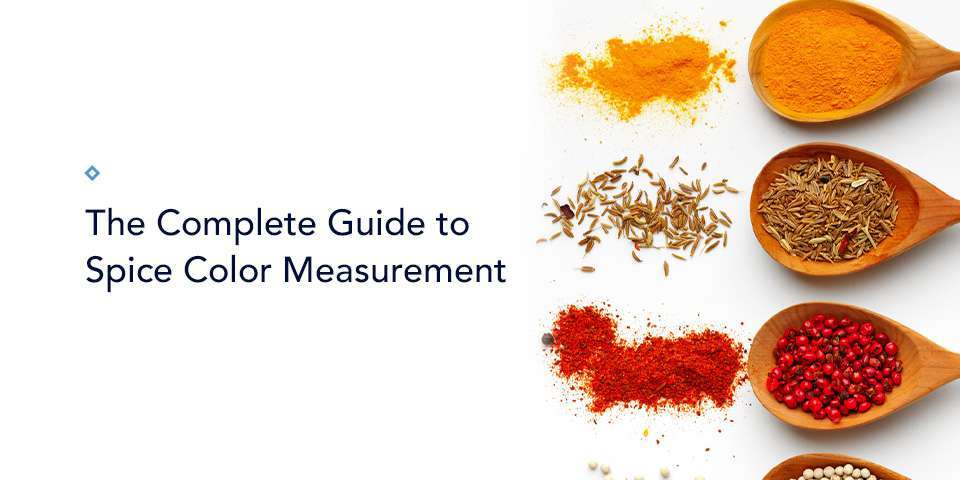
The Complete Guide to Spice Color Measurement

Posted on Aug 07, 2025 by HunterLab

Spices provide culinary flavor and visual appeal, and their color significantly influences perceptions of taste, quality, and freshness. Appearance alterations can identify processes that require changes to uphold color quality. Accurate spice color measurement provides quantifiable data to confirm whether spices meet accepted industry tolerances, quality standards, and customer expectations.

The Value of Accurate Spice Color Analysis

Several compelling reasons to measure spice color are:

  • Quality control: Consumers judge food quality by color, and high moisture content, temperature fluctuations during storage, and spice age significantly impact appearance. Quantifying and monitoring the color quality of spices supports higher-quality end products.
  • Business impact: People also expect certain spice colors to enhance food's visual appeal. Consistently delivering the desired color fosters brand loyalty and can create lifelong brand enthusiasts.
  • Conformance with standards: Some spices, such as paprika and oleoresin spices, have specific industry standards they may follow. Other spices use different industry-recognized color spaces, like Hunter L, a, b. Accurate measurements document conformance with frameworks.

Integrating Measurements Throughout Manufacturing

Taking multiple measurements allows manufacturers to monitor the color quality at critical production points, simplifying issue identification and empowering early resolution to reduce waste. Quantifying data at various stages also pinpoints where color alterations occur so you can proactively adjust. Consider implementing color measurement across production, from raw material inspections to in-process color data capture and finished product verification.

Sample Considerations for Spice Manufacturers

Spices come with unique color measurement challenges, including:

Sample Size vs. Cost

Sample size may not concern those working with low-cost spices like black pepper, but quantifying color in high-cost spices like saffron represents a more significant expense. Manufacturers of these more costly spices benefit from minimizing the sample amount required. A highly precise and accurate color measurement solution supports greater confidence in outcomes, even with smaller samples. The right tool also means less waste of valuable ingredients, so more goes toward retail shelves and your bottom line.

Nonuniform Materials

Spices are naturally nonuniform, containing various textures, sizes, and shapes from their processed plant parts. Blends like seasoning salt or curry powder further increase complexity with a mix of different spice ingredients. These variations make visual comparisons unreliable and accurate data capture challenging without the right technology.

Posted in Food

How Food Brands Like You Switch from Synthetic to Natural Dyes

Posted on Jul 25, 2025 by HunterLab

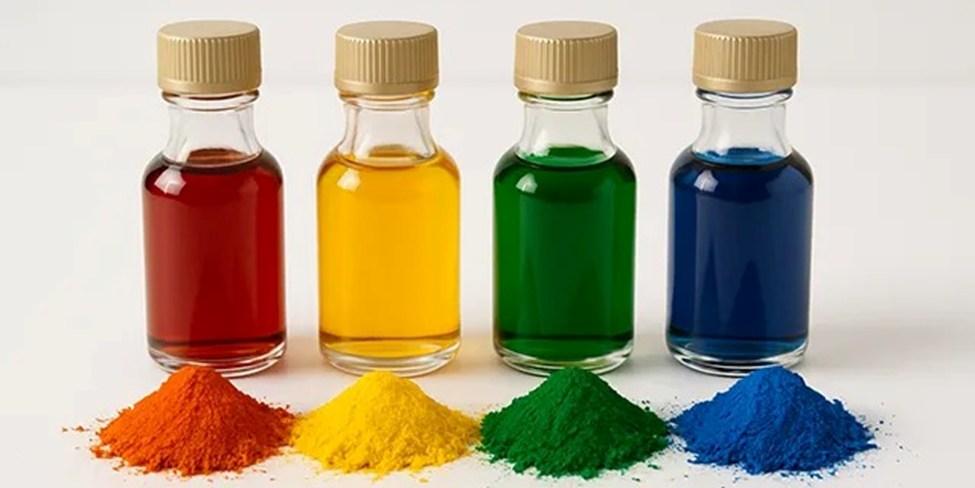
Color isn't just visual—it's emotional. It shapes how we feel about the food we eat and the trust we place in the brands behind it. Now, more than ever, that trust is being tested. With growing evidence that synthetic food dyes like Red No. 40 and Yellow No. 5 may harm children's health, and with global regulators stepping in, food manufacturers face a moral and market imperative: it's time to go natural.

The 2025 Make America Healthy Again (MAHA) Report has sent a clear signal—reformulate or be left behind. But moving away from synthetic dyes isn't just about compliance. It's about delivering safer, cleaner, and emotionally resonant food experiences. And that’s where HunterLab comes in.

Why Synthetic Food Dyes Are Being Banned

From hyperactivity in children to outdated FDA safety standards, synthetic dyes have become a public health concern. The MAHA Report, backed by federal agencies, is pushing for urgent reevaluation. Europe has long since labeled or banned these additives—and the U.S. is finally catching up.

For food brands, the message is clear: if you're still using petrochemical dyes, your products—and your reputation—are at risk.

Scientific Challenges of Going Natural

Switching from synthetic to natural colorants isn’t easy. Food scientists must solve for:

  • Stability: Natural dyes degrade in heat, light, or acidic conditions.
  • pH Sensitivity: Color shifts based on a product’s pH.
  • Flavor Impact: Many natural pigments affect taste.
  • Consistency: Batch-to-batch variation in natural ingredients.
  • Supply & Cost: Natural colors are costlier and harder to scale.

Posted in Food

Kemin Ensures Quality Using HunterLab Spectrophotometers

Posted on Jun 04, 2025 by HunterLab

Protecting Brand Integrity Through Color Precision

Inconsistent ingredient color can cost manufacturers millions in rejected batches, regulatory setbacks, and lost consumer trust. For global ingredient leader Kemin Industries, ensuring color accuracy is not just an aesthetic concern—it's central to product quality and customer satisfaction. That’s why Kemin relies on HunterLab's advanced color spectrophotometers to protect the integrity of over 500 ingredient solutions across food, pet nutrition, and more.

Operating across more than 20 countries with 15 production facilities, Kemin faces the complex task of maintaining visual uniformity in highly diverse ingredient forms. From powders and granules to liquids and pellets, their customers expect one thing: consistency. And in today's competitive baking and snack markets, even slight color deviations can signal oxidation, processing errors, or shelf-life risks.

The Challenge: Detecting Oxidative Change Before It Affects Quality

Lipid-based oxidation is a persistent challenge in the baking and snack industries. As fats and oils degrade, they visibly darken ingredient color—even before other sensory qualities change. These early shifts can result in customer dissatisfaction or failed quality checks.

For Kemin, early detection of these subtle changes is essential to delivering on their promise of quality. They needed a solution that was:

  • Sensitive enough to catch imperceptible color shifts
  • Scalable across facilities and ingredient types
  • Easy to operate with minimal variability between users

Posted in Food

What Is the Best Way to Measure the Color of Herbs?

Posted on Apr 09, 2025 by HunterLab

Herbs add flavor and visual appeal to food, making proper quality control processes essential in production. In mixed herbs, nonuniform piece shapes and sizes may make measurement more challenging. This challenge calls for a specialized device and proper techniques to maintain high product quality and consumer appeal.

Use the Right Measurement Method

Several measurement methods exist for herb color assessment, including visual comparisons. However, these techniques come with challenges, such as differences in how each individual perceives color. Collecting quantitative data on herb color using a spectrophotometer is a vastly more accurate method. This device uses a controlled light source and detector to quantify light wavelengths and create specific numerical values. 

Posted in Food

Top 5 Things to Know About Measuring the Color of Seasonings

Posted on Apr 09, 2025 by HunterLab

Color consistency in seasonings is crucial to your product's success with consumers, and chromatic data lets you know your goods fall within allowable tolerances. Exploring the top five things to know about measuring the color of seasonings enables you to achieve consistency and improve product quality.

1. Understand How Color Influences Your Customers' Buying Decisions

Seasonings bring products to life with a unique flavor that your consumers crave, but visual inspection is the first experience these customers have with your goods. Color becomes an important indicator in consumers' choices since they equate it with flavor, quality, and desirability. No matter how tasty your seasoning is, customers will pass on your products if they don't meet color expectations. 

2. Choose the Right Measurement Method for Their Physical Traits

Seasonings present unique measurement challenges due to their physical properties — they often feature components with different sizes, shapes, or textures. For example, everything bagel seasoning has small, round poppy seeds combined with larger, flatter sesame seeds and flakes of sea salt, minced onion, and dried garlic. These nonuniform traits require reflectance measurements to quantify color accurately.

Posted in Food

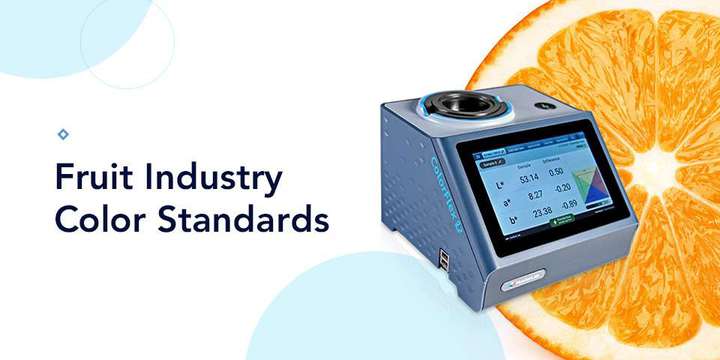
Fruit Industry Color Standards

Posted on Apr 09, 2025 by HunterLab

Accurate fruit color quantification is crucial for produce processors and exporters. Correctly assessing color helps agricultural professionals understand when to harvest fruits so they arrive on the shelves at the pinnacle of appeal for consumers. Chromatic and spectral data capture also allows manufacturers to adhere to industry or regulatory standards, supporting safe consumption and conformance with these mandates.

What Color Standards Apply to Fruit?

The primary color standards for fruit come from the United States Department of Agriculture (USDA). Fruit processors use these guidelines to help establish grades and gauge maturity. For example, apples must meet a specified color level to carry designations like Extra Fancy and No. 1. Similar standards exist for other produce.

Fruits slated for export must also meet standards set by the receiving jurisdiction. For instance, European Union Rule 2023/2429 establishes the color requirements for citrus fruits, chili peppers, berries, and more.

Posted in Food

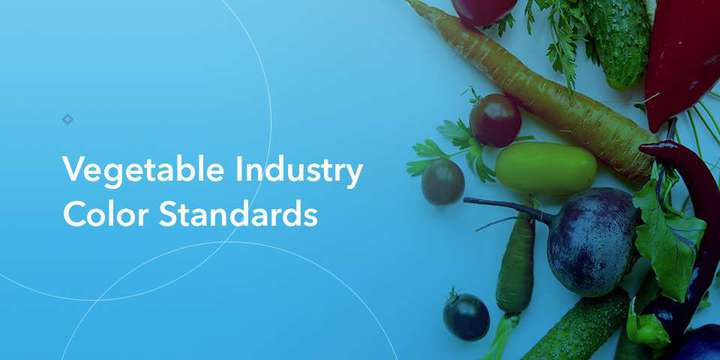
Vegetable Industry Color Standards

Posted on Mar 10, 2025 by HunterLab

Color is the primary way consumers identify high-quality vegetables. Vibrant, consistent color enhances customers' perceptions — they see these goods as more desirable, flavorful, and nutritious. Color is also crucial to accurate product classification to meet industry regulations. Adhering to vegetable color standards helps achieve these goals and supports quality assurance programs.

Color Standards Applying to the Vegetable Industry

All vegetables are subject to regulations established by the Food and Drug Administration (FDA) and the United States Department of Agriculture (USDA). The FDA oversees covered processing facilities under Title 21 of the Code of Federal Regulations, while the USDA issues rules — including color standards — to guide manufacturers with product grading. For example, asparagus must meet specific color requirements to qualify as U.S. No. 1 grade.

Some products also have industry-specific and product-specific color standards. Tomatoes and tomato-based products have several specialized color scores and indices, including:

  • Tomato Paste Score (TPS)
  • Tomato Sauce Score (TSS)
  • Tomato Juice Score (TJS)
  • Tomato Catsup Score (TCS)
  • Tomato a/b Ratio
  • Lycopene Index
  • Fresh Tomato Color Index (FTCI)

Posted in Food
Prev
1
2
3
Next

Most Related Posts

  • The Complete Guide to Spice Color Measurement
  • How Food Brands Like You Switch from Synthetic to Natural Dyes
  • Kemin Ensures Quality Using HunterLab Spectrophotometers
  • What Is the Best Way to Measure the Color of Herbs?
  • Top 5 Things to Know About Measuring the Color of Seasonings
  • Fruit Industry Color Standards
  • Vegetable Industry Color Standards
View More Related Posts

Follow us on social

  • LinkedInFollow us on LinkedIn
  • YouTubeFollow us on YouTube
  • facebookFollow us on Facebook
  • XFollow us on X (formerly Twitter)
  • instagramFollow us on Instagram

HunterLab

703.471.6870

Corporate Headquarters
11491 Sunset Hills Road
Reston, Virginia 20190

  • Products
    • Benchtop Spectrophotometers
    • Portable Spectrophotometers
    • In-Process / In-Line
    • Quality Control (QC) Software
  • Industries
    • Food
    • Beverages
    • Plastics
    • Chemicals
    • Bio-Pharma
    • Building Products
    • Paints & Coatings
    • Paper
    • Textiles
  • Learn
    • Application Notes
    • Measurement Methods
    • Glossary
    • Customer Stories
    • Product User Manuals
  • Company
    • About
    • History
    • Careers
  • Resources
    • Blog
    • Certifications
    • Customer Stories
    • Video Gallery
  • Contact
    • Support Website
    • Support, Services and Parts Queries
    • Product Queries
    • Our Location

Get in touch

  • Instagram
  • Facebook
  • LinkedIn
  • Twitter
  • Certifications
  • Terms and Conditions
  • Privacy Policy
  • Sitemap
  • Code of Conduct