Die Auswirkungen von Feuchtigkeit auf die Farbmessung sind für Hersteller nur allzu real. Feuchte Proben können sich optisch drastisch von ihren trockenen Pendants unterscheiden – sie wirken dunkler, gesättigter oder weisen veränderte Oberflächeneigenschaften auf, was Zweifel an der Genauigkeit der Ergebnisse aufkommen lassen kann. Diese Tatsache stellt Qualitätskontrollteams (QC) in vielen Branchen vor ein Dilemma: Soll man warten, bis die Proben getrocknet sind, und damit den Durchsatz verlangsamen, oder feuchte Proben messen und Ungenauigkeiten riskieren?
Wenn Sie verstehen, wie sich der Feuchtigkeitsgehalt einer Probe auf die Farbe auswirken kann, können Sie auf ein besser vorhersehbares Verfahren umstellen, das dieser Variablen Rechnung trägt. Mithilfe der Spektralphotometrie können Sie zuverlässige Messprotokolle erstellen, die nasse Proben von einem Hindernis in einen Vorteil für die Qualitätskontrolle verwandeln.
Warum verändert Feuchtigkeit das Aussehen einer Probe?
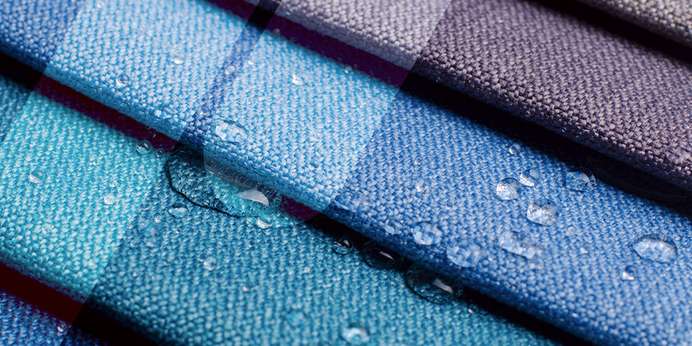
Feuchtigkeit sammelt sich in den Luftspalten an der Oberfläche einer Probe oder – im Falle von Textilien – wird von den Fasern aufgenommen. Beide Fälle können die Wechselwirkung des Lichts mit der Oberfläche beeinflussen und das Erscheinungsbild der Probe verändern.
Einfach ausgedrückt erscheinen feuchte Proben oft dunkler, da das Licht weniger gestreut und stärker absorbiert wird. Je feuchter die Probe ist, desto deutlicher kann sich dieser Wahrnehmungsunterschied auswirken, wobei hochporöse Materialien oft die stärksten Auswirkungen von Feuchtigkeit auf die Farbmessung zeigen.
Wie wirkt sich Feuchtigkeit auf verschiedene Materialien aus?
Dieses Phänomen kann sich in Schlüsselbranchen auf unterschiedliche Weise äußern.
Pulver und Beschichtungen stellen bei Vorhandensein von Feuchtigkeit eine Herausforderung für die Farbmessung dar. Strukturbildende Verklumpungen sind ein häufiges Problem, und die Partikelaggregation kann zu Lichtstreuung führen, die das Erscheinungsbild beeinträchtigt. Diese Verklumpungen können zudem die Fließfähigkeit der Probe beeinträchtigen und sich negativ auf die Konsistenz und Wiederholbarkeit der Daten auswirken.
Die Absorption stellt bei Textilien die größte Herausforderung dar, was die Notwendigkeit einer präzisen Probenvorbereitung unterstreicht. Die Art des Gewebes erschwert zudem die Farbmessung bei feuchten Proben. So weisen beispielsweise Baumwolle und Polyester sehr unterschiedliche Absorptionsfähigkeiten auf, sodass Farbveränderungen bei dem einen Material deutlich stärker ausgeprägt erscheinen können als bei dem anderen.
Welche wirtschaftlichen Kosten entstehen durch unkontrollierte Feuchtigkeitsschwankungen?
Unkontrollierte Feuchtigkeitsschwankungen verursachen messbare Kosten, die sich durch Effizienzverluste, erhöhten Ausschuss und gesteigerte Qualitätsrisiken negativ auf Ihr Geschäftsergebnis auswirken.
Produktionsengpässe
Sie wissen, dass Ausfallzeiten teuer sind. Wenn Ihre Produktionslinie stillsteht, weil sie darauf wartet, dass Proben für die Farbmessung trocknen, führt dies zu Verzögerungen bei Qualitätsentscheidungen und zu Rückständen im Zeitplan. Das Ergebnis? Der Durchsatz und die Effizienz leiden darunter.
Man stelle sich einmal die Kettenreaktion vor, die eine einzige feuchte Probe auslöst, deren Trocknung 30 Minuten dauert. Dadurch verschiebt sich jede nachfolgende Probe in der Warteschlange nach hinten. Labortechniker stehen untätig herum, Produktionsleiter bemühen sich verzweifelt, die Zeitpläne anzupassen, und Qualitätsentscheidungen, die eigentlich nur wenige Minuten dauern sollten, ziehen sich über Stunden hin.
Die Auswirkungen reichen weit über das Labor hinaus. In den Fertigungslinien werden möglicherweise weiterhin Produkte hergestellt, die nicht den Spezifikationen entsprechen, während auf die Freigabe der Farbe gewartet wird, wodurch Lagerbestände entstehen, die möglicherweise nachbearbeitet oder entsorgt werden müssen. Gleichzeitig verzögern sich die Liefertermine, und es wird schwieriger, die Verpflichtungen gegenüber den Kunden einzuhalten.