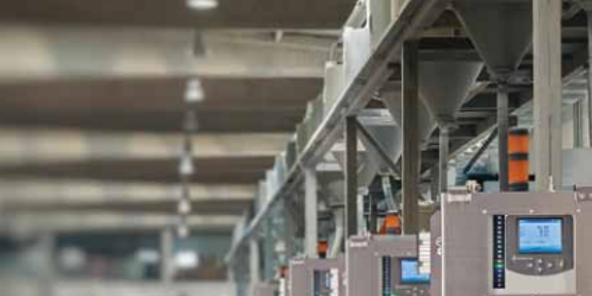
In-process and in-line colour measurements refer to real-time colour monitoring during the manufacturing process that alerts operators when colours move out of the acceptable specifications. With in-process monitoring, operators can correct their equipment before faulty products are manufactured so little to no material is wasted. In-process colour measurement is essential to saving money during the manufacturing process and keeping your brand image consistent, recognizable and reliable.
Which Industries Use In-Line Colour Measurements?
Many industries use the power of in-line colour measurement for quality assurance and to uphold brand standards. The six major sectors that use spectrophotometric in-line colour measurements are:
- Plastics industry
- Paper industry
- Coil coating industry
- Automotive industry
- Glass and textile industries
These industries use in-line colour measurement throughout the manufacturing process for quality control. For specialized requirements such as plastic extrusion molding, identifying the products’ exact shade is critical to operations, and this equipment can meet industrial requirements. By measuring in-line colour, you can effectively manage demanding measurement tasks and tight tolerance standards for colour identification.
In-Process and In-Line Colour Measurement Capabilities
At the advent of colour measurement technology, analysts used densitometers to measure process colours using predefined density filters. Different sensor models work optimally with different measurement tasks within the plastics industry, such as transparent film versus structured surfaces.
In-Line Colour Measurement
With in-line colour measurement systems, you can use several different features to optimize day-to-day operations:
- Accurate measurement results even on curved or structured surfaces
- Reflection spectrum comparison capabilities for unique identification
- Rapid measurement speeds
- High degree of accuracy for laboratories and various plastics industry applications