
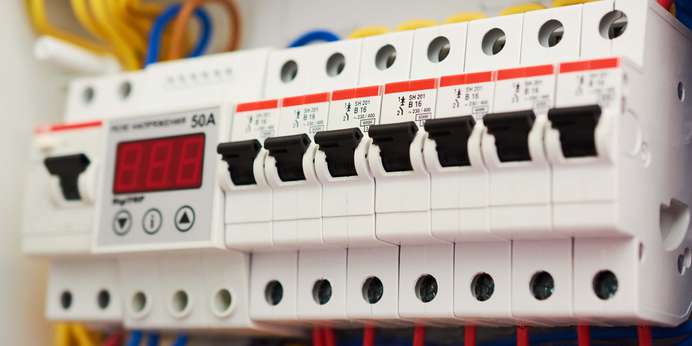
Opaque plastic enclosures are boxes that hold and protect electronic equipment from harsh environments. They typically include circuit breakers, contactors, control panels, switches, and more.

Companies rely on color consistency and solidity of these enclosures for ultimate protection. Here are some best practices when measuring the color of opaque plastic enclosures.

Choose the Right Tool

The first step needed is to choose the right solution for your product measurements. Many product plants use spectrophotometers — machines that provide numerical data to measure color quality and consistency.

HunterLab offers several elite spectrophotometers for the job. Specifically, opaque plastic enclosures can be best measured using the Agera. This tool can thoroughly analyze 3D structures for accurate and precise color data.
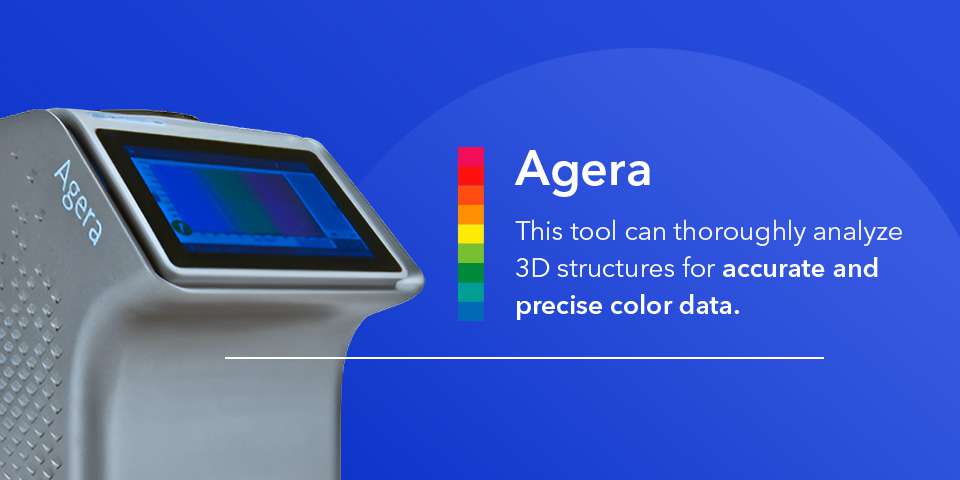
The benefits of HunterLabs' Agera spectrophotometer
Read  Best Practices for Measuring the Color of Plastics

Define a Color Standard

Of course, you will need an exact color standard to measure most accurately. For example, some enclosures are black, and some are gray — the human eye can easily mistake these colors for each other at a certain shade. A spectrophotometer can take the recipe for the shades you need and analyze each product by a specific standard. It will then record and compare the color values against each other to determine if the final product matches.

Check for the Right Factors

When measuring color, be sure to test for these quality control factors:

  • Transmitted and reflected color: Transmitted and reflected color measure how much light is passes through or reflects off of  the product. Regarding opaque plastic, no light should be transmitted — otherwise, it would be considered translucent or transparent. Because of this, color should only reflect off opaque plastic.
  • Gloss measurement: Gloss measurement is a way to determine the relative shininess or luster of a surface, such as a plastic enclosures. It's based on the amount of light that reflects off the surface compared to a polished glass standard, and is measured in Gloss Units (GU).
  • Total color appearance: Total color appearance factors in both the color of the sample and the surface attributes such as gloss and texture, to provide measurement results that replicate the way humans view and perceive color. This is achieved by using instruments that are designed for this application, like the HunterLab Agera. 
INFO  Get More Information

Sustainability Promotion Tactics at HunterLab

At HunterLab, we are committed to promoting sustainability within the plastic manufacturing and recycling industry. Our spectrophotometers contain the most advanced color detection technology to ensure every batch meets the industry hue, shade, and tint standards.

By purchasing a spectrophotometer from HunterLab, you can:

  • Detect color discrepancies early: When using a spectrophotometer early in the production process, you can catch and fix color discrepancies before it's too late. This quick step will reduce your waste contribution.
  • Increase team efficiency: A spectrophotometer will save your company time and money. With fewer mistakes to fix, your team can allocate resources toward successful outcomes.
  • Minimize your carbon footprint: Ultimately, fewer defects equals less waste, reducing energy consumption and carbon emissions. Energy savings contribute to your overall environmental impact through Environmental, Social, and Governance (ESG) reporting and accountability.

Contact HunterLab for a Spectrophotometer Quote

HunterLab's mission is to streamline color measurement processes to reduce human observation errors and increase product color consistency. With over 70 years of experience, we have become an industry leader and have significantly impacted the study of color measurement.

If you need assistance or advice when measuring the color of opaque plastic enclosures, reach out to our experts. We can also provide you with a quote for our Agera spectrophotometer. Contact us today.