HunterLab
  • Products
    • Benchtop Spectrophotometers
    • Portable Spectrophotometers
    • In-Process / In-Line
    • Quality Control (QC) Software
  • Industries
    • Food
    • Beverages
    • Plastics
    • Chemicals
    • Bio-Pharma
    • Building Products
    • Paints & Coatings
    • Paper
    • Textiles
  • Learn
    • Application Notes
    • Measurement Methods
    • Glossary
    • Customer Stories
    • Product User Manuals
  • Company
    • About
    • History
    • Careers
  • Resources
    • Blog
    • Certifications
    • Customer Stories
    • Video Gallery
  • Contact
    • Support Website
    • Support, Services and Parts Queries
    • Product Queries
    • Our Location
  • Get Quote
  • Search
About
BLOG

Interested in a little light reading?

Our blog is continually updated with helpful educational information, advises, research and insights—all in the name of helping you level-up your color and appearance needs. Grab a drink and enjoy our stories!

Explore Our Stories
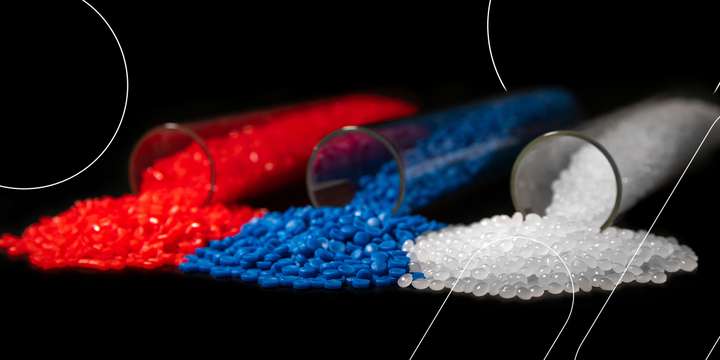
Red, blue, and white plastic pellets pouring out of glass vials

"Top 6 Things You Need to Know About Measuring the Color of Opaque and Transparent Pellets"

Read More

Explore Our Products

VIEW MORE

"The Complete Guide to Measuring Opaque Plastic Preforms"

Read More

"Guide to Overcoming Color Challenges in Plastic Manufacturing"

Read More

"What Is the Best Way to Measure the Color of Plastic Bottles?"

Read More

"The Top 6 Things You Need to Know About Measuring the Color of Plastic Bottles"

Read More
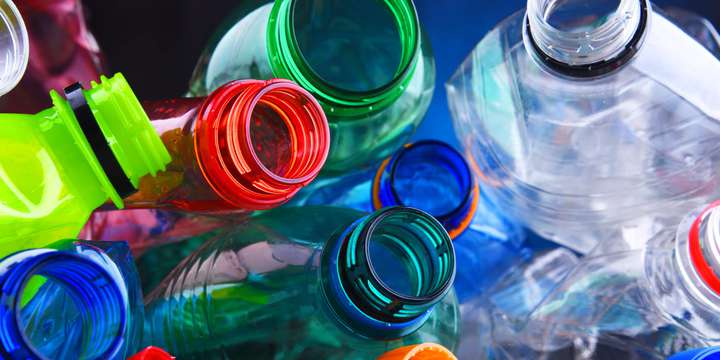
Colorful plastic bottles without lids

"Best Practices for Measuring the Color of Plastic Bottles"

Read More
A roll of black opaque plastic film

"What Is the Best Way to Measure the Color of Opaque Plastic Film?"

Read More

Top 6 Things You Need to Know About Measuring the Color of Opaque and Transparent Pellets

Posted on Oct 28, 2026 by HunterLab

Measuring the color of transparent and opaque pellets can be challenging, considering varied sample attributes such as different sizes, shapes, and textures. Here are six key things to keep in mind to ensure accurate results every time. 

1. Transparency and Opaqueness Vary

Transparent pellets allow light to pass through completely. On the other hand, opaque pellets reflect light so that it doesn't pass through. While it's easy to identify a transparent or opaque object with the naked eye, the transparency or opaqueness of one object can vary from another. Accurately measuring the color of pellets enables you to consistently achieve the desired degree of transparency or opaqueness.

2. Color Is Essential for Quality

In the plastic industry, color is an important aspect of quality standards. Meeting color standards while aligning the final product with your specified design is vital for manufacturing high-quality goods. 

The color of plastic pellets does not directly impact the color and appearance of the final product due to other contributing factors. However, measuring the transparency or opaqueness of pellets is important for monitoring quality control in the manufacturing process. 

Posted in Plastic

The Complete Guide to Measuring Opaque Plastic Preforms

Posted on Sep 19, 2025 by HunterLab

Polyethylene terephthalate (PET) preforms are essential to attractive, durable packaging for industries like beverage manufacturing, edible oils, and more. As the market continues to grow, so does the need to accurately and objectively quantify appearance to uphold product quality. Spectrophotometry is the best solution for scientific color measurement, eliminating the error-prone nature of manual visual assessment for higher confidence and precise data. Explore why color matters in preforms, the challenges of color consistency, and the ideal equipment for measurement to ensure high-quality results.

Why Color Matters for Plastic Preforms

Color plays an instrumental part in conforming to standards, protecting products, and influencing consumers.

Industry Standards

Plastic preform color is vital in meeting industry-specific standards. Sectors like pharmaceuticals and beverages often have strict color tolerances to ensure safety, traceability, and regulatory compliance. For example, specific packaging colors may indicate the presence of certain additives or differentiate between product formulations. Adhering to these color standards helps uphold product integrity and consumer safety.

Product Protection

Some goods, such as certain pharmaceuticals and beverages, are sensitive to ultraviolet (UV) light. Ongoing exposure to UV rays can cause degradation, affecting visual appeal, medical efficacy, safety, or taste. Opaque plastic packaging forms a shield against UV light, helping protect the product within against excess exposure. Inconsistent color may signal uneven distribution of colorants or UV-blocking additives, potentially increasing the chances of UV rays penetrating the packaging.

Quality Perception

Products like edible oils and beverages compete in crowded marketplaces. As a result, standing out on the shelves is key to your success. The plastic colors you choose help attract attention and reinforce your branding with consumers. When your color remains consistent and appealing, it indicates your commitment to quality and meeting your customers' expectations. Conversely, color alterations can signify issues with your quality control or manufacturing processes, causing consumers to reach for a competitor's product instead.

Posted in Plastic

Guide to Overcoming Color Challenges in Plastic Manufacturing

Posted on May 13, 2025 by HunterLab

Plastic manufacturing has grown significantly since the 1950s, surpassing that of any other material. Today, plastics see use in markets ranging from automotive to goods packaging to food and beverage production. Plastic color is and will continue to be pivotal as the primary determinant by which consumers judge product quality and desirability, yet accurately quantifying it comes with unique challenges.

Common Challenges in Plastic Color Measurement

Typical plastic color measurement challenges include the following.

Natural Yellowing

Virgin plastic resins naturally yellow during processing as a result of oxidation. Additional yellowing can occur with age or exposure to ultraviolet rays. To achieve clear or almost clear end products, manufacturers must add optical brighteners that fluoresce on the blue side of the visible spectrum to negate the yellowness. That translates into almost all plastic goods containing at least some percentage of optical brighteners. As a result, these materials inherently fluoresce and introduce more complexity to achieving the desired clarity and visual chromatic qualities.

Regulatory Pressures

Government entities worldwide are passing ever-stricter regulations on the percentage of post-consumer recycled plastic that must be used in new plastic production to prioritize a more circular economy. An increase in the amount of recycled plastic used causes a corresponding rise in the amount of optical brighteners and other additives in feedstock that manufacturers must adjust for.

These challenges make accurate color measurements even more pivotal since one variation in the input can substantially impact the outcomes.

ESG Initiatives

In addition to governmental action, modern plastics manufacturers are feeling similar pressures from their stakeholders. Consumers, employees, and investors alike increasingly call for more sustainable practices and transparency in environmental impact.

To account for these pressures, many companies enact Environmental, Social, and Governance (ESG) initiatives that help achieve the six principles of a more circular economy. These pillars include minimizing waste, maximizing resources, saving energy, and reducing carbon footprint.

How to Resolve Color Measurement Challenges in Plastics

Fortunately, there are several steps you can take to resolve color measurement challenges with plastics production.

Posted in Plastic

What Is the Best Way to Measure the Color of Plastic Bottles?

Posted on Mar 19, 2025 by HunterLab

The use of plastic bottles in liquid packaging first became popular in the 1950s and 1960s. Today, plastic's cost-effectiveness, durability and recyclability have made it the go-to material for bottles among most major companies. Throughout the manufacturing of these bottles, it is vital that processors maintain accurate coloration. Any product entering the sales market should be uniform and consistent, down to the label and the packaging. This level of precision calls for specialized tools — and HunterLab provides them.

The Power of Spectrophotometers 

When you need to measure the color of plastic bottles, spectrophotometers offer the most objective and precise results. A spectrophotometer measures how light reflects off the bottle and uses those measurements to produce a numerical value in line with some of the most well-known color indices. 

Spectrophotometers make it easy for any brand to streamline its coloration practices and increase product consistency. Their use can translate to major benefits in:

  • Brand identity: Plastic bottles can be manufactured in almost any color, so many brands produce their bottles using a unique pigment combination to set them apart. Coloring bottles consistently allows you to establish your own look that consumers will begin to recognize over time, even before they see the label.

  • Consumer satisfaction: Changes in any part of your product or its packaging — including a significant color departure — can signal to loyal consumers that your product has changed in some way. By keeping your colors consistent, you can put consumers at ease and ensure they stay with your brand instead of choosing a competitor. 

Posted in Plastic

The Top 6 Things You Need to Know About Measuring the Color of Plastic Bottles

Posted on Jan 03, 2025 by HunterLab

Plastic bottles are the standard packaging for many products, from juice, soda, and condiments to laundry detergent. That means you need yours to stand out. Color can play a major role in differentiating your brand and increasing your products' appeal, especially when it's consistent. Here's what you need to know about measuring color in plastic bottles.

1. Consistent Color Builds Consumer Trust

Sight is one of the first senses we use when shopping. Color is essential in the decision-making process of potential buyers, even if they don't realize it. When you go to the store, you look for what's familiar to you. So do your customers. By creating and distributing a product with consistent coloration and packaging, you signal to everyone that you care about the appearance, presentation and effects of your offerings from one batch to the next.

2. Plastic Bottle Color Is Part of Your Brand Identity

When you create a color formula that's different enough from everyone else's, your plastic bottles can set your brand apart. Loyal customers will begin to associate that color with your name over time. If the color changes, many will wonder if what's inside the bottle is different, too.

Posted in Plastic

Best Practices for Measuring the Color of Plastic Bottles

Posted on Dec 12, 2024 by HunterLab

At HunterLab, we've spent more than 70 years becoming experts in the field of color measurement and observing how product coloration affects consumer preferences. We've learned that color is vital in every aspect of product marketing, from the product itself to all its packaging. We've produced solutions that enable manufacturers to measure color accurately in many products, including plastic bottles. 

What Influences the Color of Plastic?

Plastic is known for its versatility. The material can be molded and colored in almost any way — and the color is baked into the plastic itself, so it has little chance of fading or changing once it's been cured. Still, some factors may change the way your plastic bottles look in stores, such as:

  • Light: At its core, color measurement is about assessing how light interacts with an object to produce the color we perceive. Different types of light can make colors on the same object appear differently to the human eye.
  • Opacity: Just as plastic can be made into any color, it can come in various opacities. From completely opaque to clear and transparent, differences in translucence will change the way your bottles' color is perceived.
  • Gloss: Gloss is a measure of an object's reflectance, which more or less refers to how shiny something is. A glossier piece of plastic is more reflective, which affects the appearance of the color underneath.

Posted in Plastic

What Is the Best Way to Measure the Color of Opaque Plastic Film?

Posted on Sep 30, 2024 by HunterLab

Measuring the color of opaque plastic film with a spectrophotometer is the best way to ensure accurate and consistent outcomes with each batch. The technological device allows you to meet the quality standards and consumer expectations of visual perceptions of plastic film. Learn about the best practices for color measurement when using spectrophotometers. 

Measure Opaque Plastic Film With the Right Solution

Selecting the right color measurement solution for your application is crucial to ensuring an accurate reading. Since opaque plastic film reflects light, it requires a spectrophotometer that measures reflectance. Additionally, the device should be able to determine any other properties, such as gloss, that influence the material's color to provide a comprehensive measurement.  

Maintain Consistency Throughout the Measuring Process

Once you've established the right solution for your color measurement application, the next step is to develop and implement a standardized measuring process. From creating a uniform testing environment to following a set sample preparation procedure, every aspect of color measurement must be consistent and repeatable.

A spectrophotometer can help you monitor color shifts during the measuring process, allowing you to quickly make the adjustments needed to maintain color consistency. 

Posted in Plastic
Prev
1
2
3
Next

Most Related Posts

  • Top 6 Things You Need to Know About Measuring the Color of Opaque and Transparent Pellets
  • The Complete Guide to Measuring Opaque Plastic Preforms
  • Guide to Overcoming Color Challenges in Plastic Manufacturing
  • What Is the Best Way to Measure the Color of Plastic Bottles?
  • The Top 6 Things You Need to Know About Measuring the Color of Plastic Bottles
  • Best Practices for Measuring the Color of Plastic Bottles
  • What Is the Best Way to Measure the Color of Opaque Plastic Film?
View More Related Posts

Follow us on social

  • LinkedInFollow us on LinkedIn
  • YouTubeFollow us on YouTube
  • facebookFollow us on Facebook
  • XFollow us on X (formerly Twitter)
  • instagramFollow us on Instagram

HunterLab

703.471.6870

Corporate Headquarters
11491 Sunset Hills Road
Reston, Virginia 20190

  • Products
    • Benchtop Spectrophotometers
    • Portable Spectrophotometers
    • In-Process / In-Line
    • Quality Control (QC) Software
  • Industries
    • Food
    • Beverages
    • Plastics
    • Chemicals
    • Bio-Pharma
    • Building Products
    • Paints & Coatings
    • Paper
    • Textiles
  • Learn
    • Application Notes
    • Measurement Methods
    • Glossary
    • Customer Stories
    • Product User Manuals
  • Company
    • About
    • History
    • Careers
  • Resources
    • Blog
    • Certifications
    • Customer Stories
    • Video Gallery
  • Contact
    • Support Website
    • Support, Services and Parts Queries
    • Product Queries
    • Our Location

Get in touch

  • Instagram
  • Facebook
  • LinkedIn
  • Twitter
  • Certifications
  • Terms and Conditions
  • Privacy Policy
  • Sitemap
  • Code of Conduct