
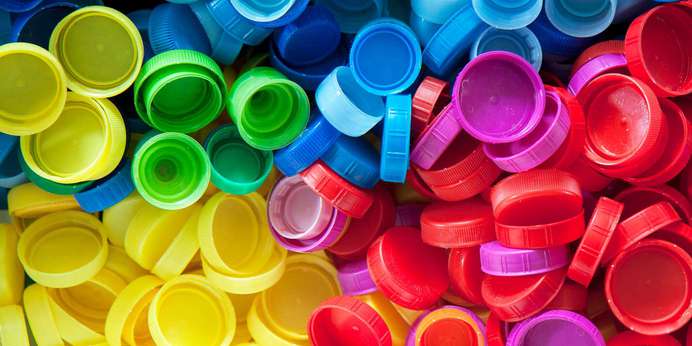
Colour consistency can play a major role in whether a consumer chooses one brand's product over another. That means businesses that work with plastic, either as a product or a packaging material, need to pay close attention to their colour formulas and the consistency of their outputs.
Quality control specialists in every industry have recognized the benefits of using a spectrophotometer to measure product colours, ensuring better consistency and branding — and alignment with sustainability goals.
What Factors Affect Plastic Colour?
Your plastic may look right as you process it, but will it look the same when it hits the shelves? Product appearances can differ from store to store and shelf to shelf due to factors like:
- Light: All colour is based on the way light reflects off an object. Understanding how colour changes under different light sources can help you see why a colour measurement tool is crucial in maintaining consistency.
- Opacity: Plastic ranges from being totally opaque to transparent, and variations in opacity can change the way its colour is perceived. The same coloration formula can produce different results across multiple pieces of plastic based on the level of transparency each piece holds.

- Gloss: Plastic can be matte or glossy. The glossier a piece of plastic is, the more likely the finish is to affect the product's appearance.
Achieving uniformity, repeatability, and consistency is the best way to ease consumer scrutiny. Fortunately, powerful solutions exist to help you capture, quantify, and track colour accurately to maintain your high quality standards.