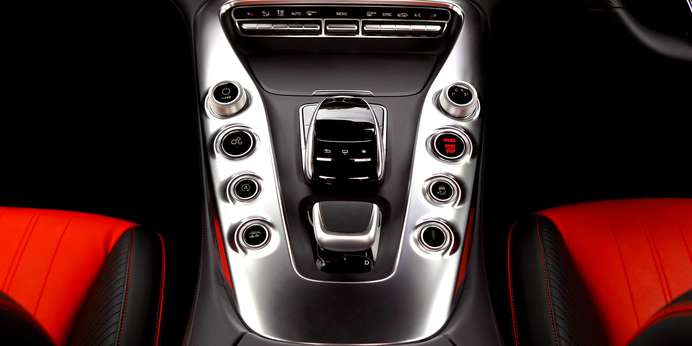
A vehicle’s interior has many colored components, including the center console, door trim, dashboard, steering wheel and seats. When these components are matching or coordinating colours, it makes the car’s interior look sleek and aesthetically appealing to the driver and passengers.
Different suppliers manufacture the different components of the car, and their unique molding processes, materials and colorants can influence the result. Industry standards for cars are important to follow to ensure colour harmony across components and manufacturers since customers will notice subtle colour differences.
How to Create an Industry Standard Inside Your Car
Colour and gloss measurements should be harmonious in different lighting conditions — for instance, the interior colours should look the same in sunlight and fluorescent light. Car interiors can be altered or modified to reach industry standards in various ways.
Colour
Each make and model of a car has interior components that must be a specific colour. These colours must also match across lots. For example, two 2021 Chevrolet Malibu vehicles with the jet black interior option must be identical to each other in colour. Following the automotive industry standards for colour application techniques will achieve the optimal colour match.
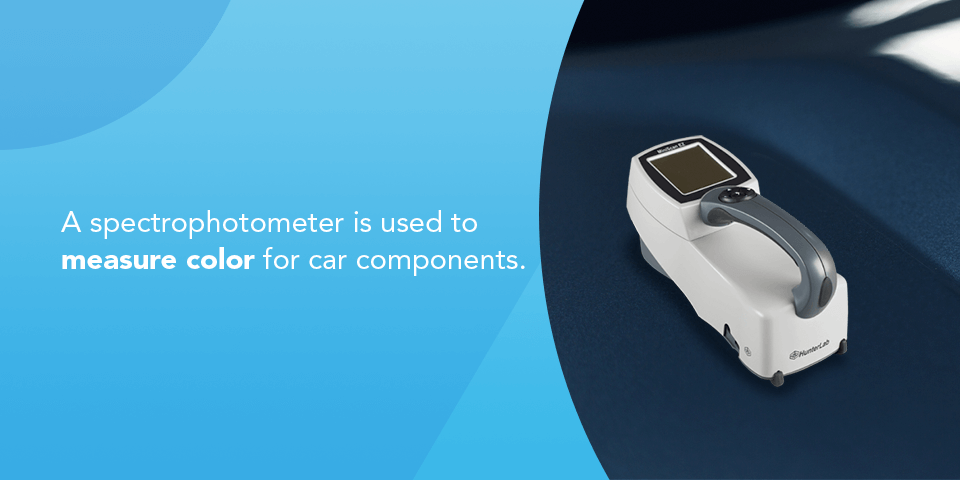
A spectrophotometer is used to measure colour for car components. This instrument uses the colour space L*a*b to give colour measurement data, so you can verify that the component is the colour you desire. The spectral sensor of the spectrophotometer can calculate and output data for various lighting conditions.