
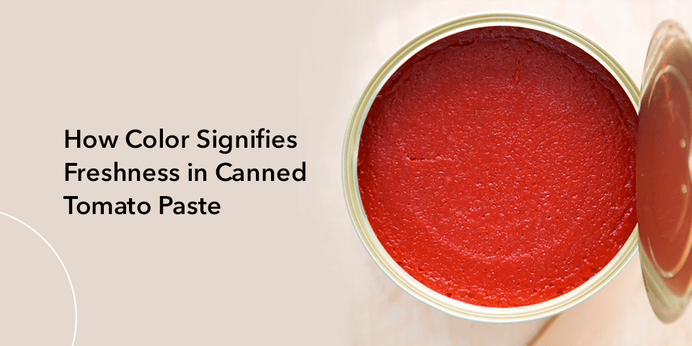
The desired red colour of canned tomato paste comes from a mature tomato fruit with a sweet flavor and high concentration of lycopene. The United States Department of Agriculture (USDA) uses the tomato paste score (TPS) to grade the product and ensure it meets quality and consumer expectations.
Colour and appearance matter because they are the first purchasing factors customers consider. When customers cook with tomato paste, they have certain expectations tomato paste manufacturers must meet to indicate the product's freshness.
What Colour Should Tomato Paste Be?
Consumers expect tomato paste from fresh tomatoes to be red or deep red. When the USDA first established tomato paste colour classifications, ratings relied on visual assessments.
The USDA has three colour classifications for tomato paste:
- Grade A: The tomato paste is a “good colour” of a bright red and scores 45 to 50 points.
- Grade C: The tomato paste has a “fairly good colour,” generally red with a dull or brown cast, and scores 40 to 44 points.
- Substandard: The tomato paste fails to meet Grade C standards and scores 0 to 39 points.
What Causes Colour Changes in Tomato Paste?
Various factors may lead to browning or other colour changes, including:
- Oxidation: Tomato paste may be exposed to the air during canning due to improper sealing, which leads to discoloration.
- High temperatures: Tomato paste may lose pigments due to excessive heat during canning or storage.
- pH levels: Tomato paste may turn yellow as it ages if the acidity is too high.
- Light exposure: Tomato paste may lose colour over time due to UV light exposure.